
What Happened: The Core Developments
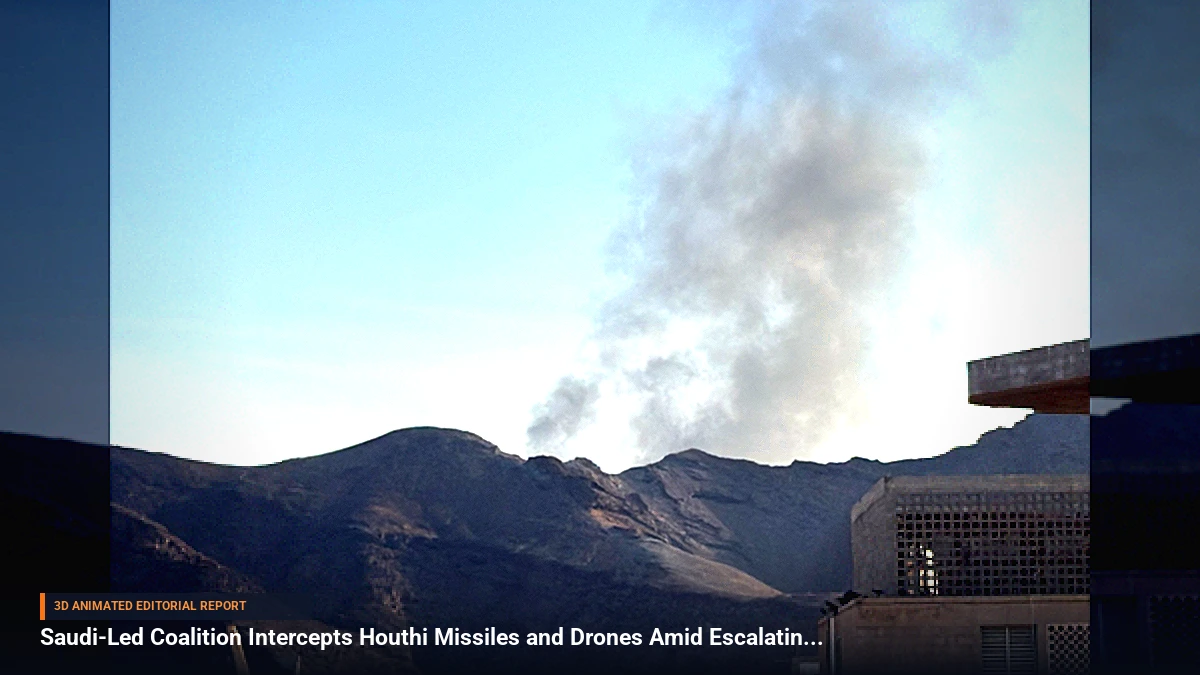
In a sharp escalation of cross-border hostilities, the Saudi-led military coalition successfully intercepted and destroyed a series of suspected Houthi missiles and drones aimed at critical infrastructure across the kingdom. The aerial assaults targeted multiple high-profile locations, including the capital city of Riyadh, vital energy and military installations in the Eastern Province, and the spiritually sensitive Makkah region.
Defense systems operated rapidly to neutralize the incoming threats, preventing what could have been catastrophic structural damage and civilian casualties. The coordinated barrage reflects an intensifying tactical approach by Houthi forces, who claimed responsibility for targeting core Saudi economic and defensive nodes as part of a wider regional conflict matrix.
Background & Key Context
This spike in aerial incursions does not occur in a vacuum; it is deeply intertwined with a severe escalation of ground combat inside Yemen, specifically centered around the contested regions of Marib and al-Jawf. These protracted battles have triggered a compounding humanitarian crisis.
According to United Nations agencies tracking the displacement crisis, more than 340,000 Yemenis have been forced to flee their homes since August alone. The simultaneous pressure of heavy domestic ground engagements and long-range aerial campaigns highlights the intractable nature of the multi-front conflict, which continues to draw in regional actors and threaten global supply chains and energy stability.
Key Takeaways
- Coordinated Aerial Assaults: The Saudi-led coalition intercepted multiple Houthi missiles and drones targeting Riyadh, the Eastern Province, and the Makkah region.
- Infrastructure Under Threat: Houthi leadership explicitly stated that critical Saudi energy and military facilities were primary targets in the latest wave of strikes.
- Ground War Intensification: Heavy fighting continues to ravage Yemen's Marib and al-Jawf provinces, exacerbating local instability.
- Mass Displacement: UN reporting confirms that over 340,000 civilians have been displaced within Yemen since August due to escalating hostilities.
- Regional Spillover: The attacks underscore the broader geopolitical volatility connecting Yemen's civil conflict to wider regional confrontations involving Iran-aligned networks.
Impact, Analysis & Global/National Reactions
Security analysts view the coordinated drone and missile launches as a calculated effort to pressure regional coalitions and disrupt economic arteries within the Gulf. By targeting the Eastern Province—the heartland of Saudi Arabia's oil production and processing capabilities—the attacks carry significant economic anxiety for global markets.
International bodies have repeatedly expressed alarm over the widening scope of the violence. Humanitarian organizations emphasize that while advanced air defense systems have largely neutralized incoming airborne threats, the persistent state of high alert strains regional security frameworks and deepens the suffering of civilians caught in the crossfire.
What's Next: Looking Ahead
As the Saudi-led coalition maintains its heightened defensive posture, diplomatic channels face immense pressure to de-escalate the situation before it triggers a broader conflagration. Observers will be closely monitoring UN-led peace initiatives and potential emergency security sessions to gauge whether international mediators can broker a ceasefire in Marib and halt the cross-border projectile exchanges.
Market watchers and energy stakeholders will similarly remain vigilant over the security of Gulf trade routes and petroleum infrastructure, as any sustained campaign against key industrial sites poses a direct threat to international energy supplies.



Be the first to comment
Start a useful conversation around this story.