
What Happened: The Core Developments
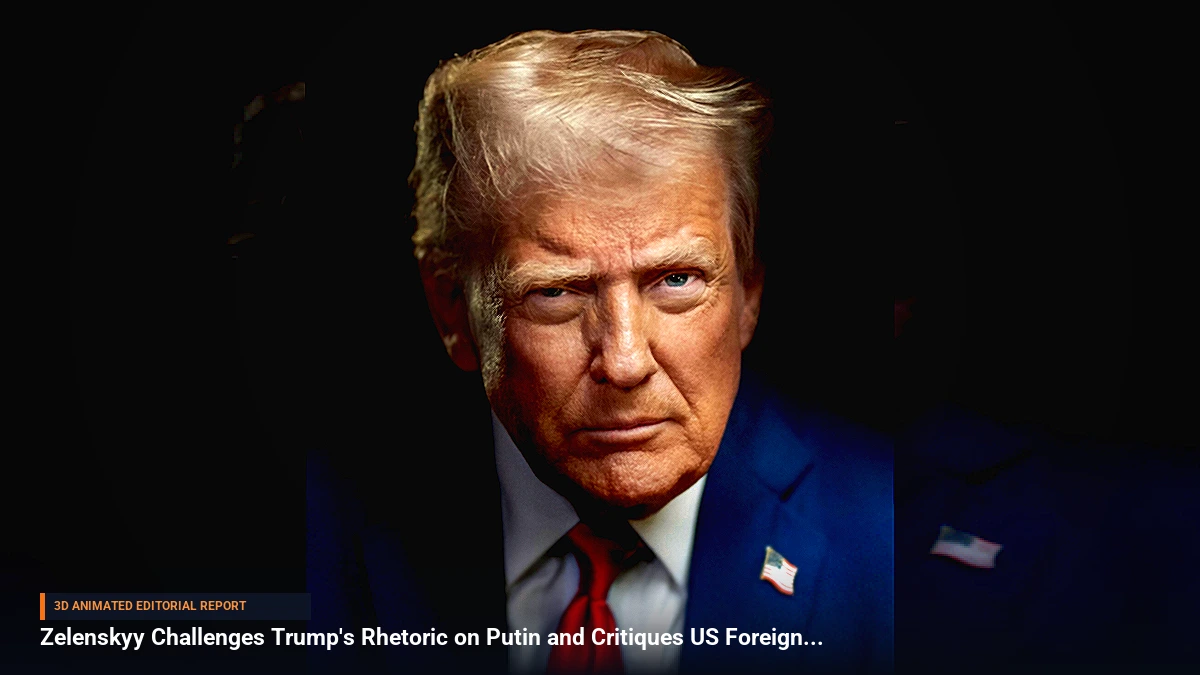
In a recent high-profile interview with international media, Ukrainian President Volodymyr Zelenskyy delivered sharp rebukes concerning Western political rhetoric and strategic focus. Addressing statements made by former U.S. President Donald Trump, Zelenskyy expressed deep dismay over characterizations of Russian President Vladimir Putin as a "friend." The Ukrainian leader labeled such terminology as bizarre and unacceptable, comparing the notion of befriending an aggressor to historical appeasement errors.
Beyond rhetorical concerns, Zelenskyy voiced operational frustrations with Washington's current foreign policy balance. He asserted that the United States has allowed its attention and resources to be disproportionately consumed by conflicts in the Middle East. According to the Ukrainian president, this redirection of strategic bandwidth has translated into an insufficient diplomatic and economic squeeze on the Kremlin, delaying the decisive pressure needed to alter Moscow's calculus in Eastern Europe.
Background & Key Context
As the war in Ukraine grinds through its multi-year timeline, Kyiv's leadership has consistently monitored shifting political winds in Western capitals, particularly the United States. With upcoming electoral cycles and changing legislative majorities threatening to alter foreign aid and military support, Ukrainian officials have grown increasingly vocal about the rhetoric employed by prominent American figures.
Donald Trump has frequently claimed he could end the Russia-Ukraine conflict within 24 hours through direct negotiations, often boasting of his strong rapport with both Zelenskyy and Putin. However, Kyiv has consistently rejected any negotiated settlement that involves territorial concessions or normalizes Russian aggression. Zelenskyy’s latest remarks build on a broader pattern of Ukrainian pushback against any foreign narrative that equates the defender and the aggressor or treats the conflict as a transactional dispute rather than an existential battle for sovereignty.
Key Takeaways
- Direct Criticism: President Zelenskyy publicly condemned Donald Trump's use of the word "friend" when describing Vladimir Putin.
- Strategic Disproportion: Kyiv argues that Washington's heavy focus on the Middle East has deflected crucial diplomatic and economic pressure away from Russia.
- Call for Escalated Pressure: Ukraine continues to urge the United States and its Western allies to intensify punitive measures against the Kremlin.
- Diplomatic Sensitivity: The remarks underscore Kyiv's mounting anxiety regarding potential shifts in American political leadership and foreign policy.
Impact, Analysis & Global/National Reactions
Zelenskyy’s candid assessment highlights the delicate diplomatic tightrope Ukraine must walk as it navigates domestic politics in partner nations. Analysts note that while Kyiv depends heavily on bipartisan U.S. financial and military backing, Ukrainian leadership feels compelled to draw a hard line against rhetoric that legitimizes Russian leadership or frames the invasion as a superficial disagreement.
International relations experts suggest that openly critiquing prominent American politicians carries inherent risks for Kyiv, potentially alienating factions within the U.S. electorate. Yet, the urgency felt inside the Ukrainian administration appears to outweigh diplomatic caution. By demanding a stronger, more singular focus on Russian containment, Kyiv is attempting to anchor Western resolve against war fatigue and competing geopolitical crises.
What's Next: Looking Ahead
As the geopolitical landscape prepares for critical electoral decisions in the West, the debate over foreign aid allocation and diplomatic strategy will only intensify. Ukraine's ability to shape the narrative around Western priorities will be vital in securing sustained military supplies and maintaining strict sanctions on Moscow.
Stakeholders and international observers will closely monitor how American political figures respond to Zelenskyy's remarks. The friction between campaign rhetoric in Western democracies and the stark realities on the ground in Eastern Europe is expected to remain a central theme in global geopolitics throughout the coming months.

Be the first to comment
Start a useful conversation around this story.