
What Happened: The Core Developments
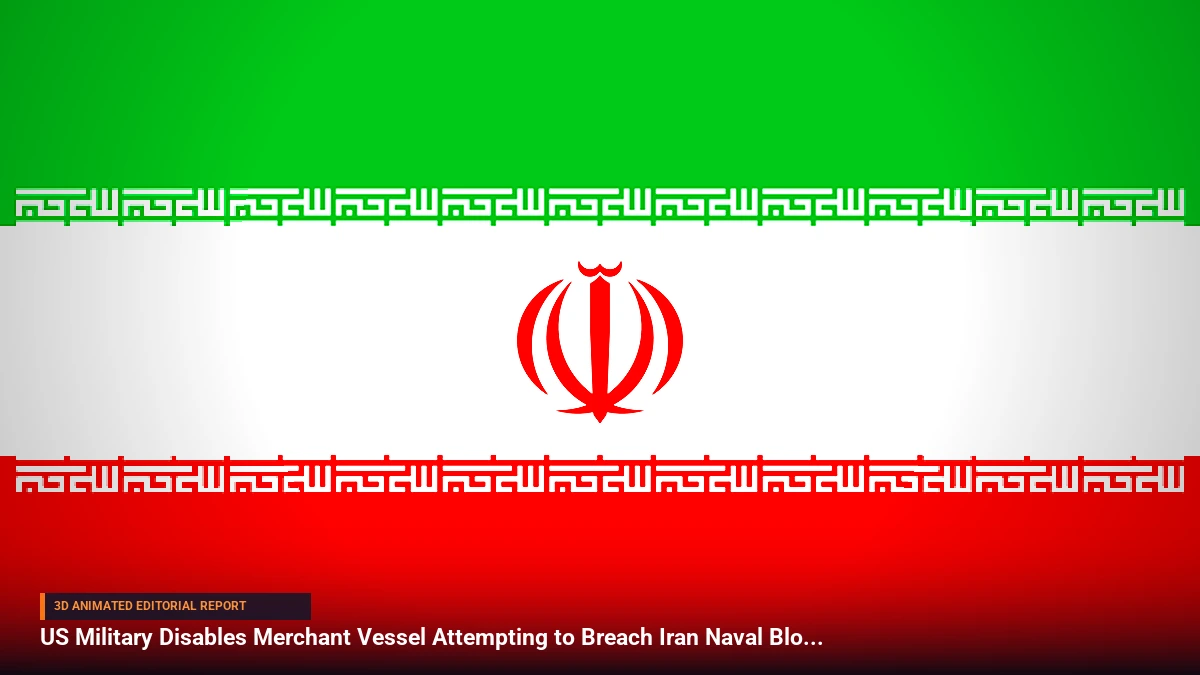
In a decisive maritime operation, the United States military intervened against a commercial vessel attempting to force its way through an active naval blockade surrounding Iranian ports. According to official reports, the merchant ship departed from the port of Bandar Abbas and steadfastly ignored repeated verbal and visual warnings issued by coalition and U.S. naval assets demanding that it stop.
Faced with non-compliance, American forces executed a targeted tactical strike in the Gulf of Oman to neutralize the vessel's capacity to continue its voyage. Defense officials confirmed that the ship, which is registered under the flag of Palau, suffered disabling damage to its propulsion systems. Despite the military action, initial assessments confirmed that the crew members aboard the vessel remained unharmed during the interdiction.
Background & Key Context
The incident unfolds against a backdrop of escalating maritime security operations in the Middle East, particularly concerning strategic chokepoints and economic restrictions placed on Iranian shipping lanes. Naval blockades require strict monitoring and enforcement to ensure compliance with international sanctions and regional security frameworks. Tehran has repeatedly vowed to actively confront and test the parameters of these naval restrictions, creating a high-stakes environment where commercial traffic frequently intersects with geopolitical flashpoints.
The use of targeted propulsion neutralization reflects a doctrine of calibrated force, designed to halt unauthorized transit without escalating into catastrophic loss of life or total vessel destruction. However, such high-seas confrontations carry inherent risks of miscalculation, potentially drawing regional actors deeper into a prolonged economic and military standoff.
Key Takeaways
- Direct Intervention: The U.S. military disabled a commercial vessel attempting to breach the ongoing naval blockade near Iran.
- Origin and Route: The cargo ship had recently departed from the strategic Iranian port of Bandar Abbas before entering the Gulf of Oman.
- Ignored Warnings: Naval forces took action only after the vessel repeatedly refused to heed directives to halt its journey.
- Vessel Status: The Palau-flagged merchant ship sustained significant propulsion damage, though its crew members were reported safe.
- Heightened Stance: Tehran has publicly committed to defying the blockade, setting the stage for ongoing maritime friction.
Impact, Analysis & Global/National Reactions
Strategic analysts note that enforcing a naval blockade via targeted non-lethal strikes marks a delicate balance between maritime deterrence and all-out conflict. By disabling the ship's propulsion rather than sinking the vessel or targeting its cargo directly, military planners aimed to send a firm deterrence signal while minimizing collateral damage.
International shipping insurers and maritime logistics firms are closely monitoring these developments. The Gulf of Oman and the broader Strait of Hormuz represent critical arteries for global commerce and energy supply chains. Continued friction risks driving up insurance premiums for vessels operating in the region and forcing alternative routing considerations.
What's Next: Looking Ahead
As Tehran vows to continue challenging the maritime restrictions, defense analysts anticipate an increased naval presence and more aggressive patrolling protocols by U.S. and allied forces in the region. Observers will be watching for potential diplomatic fallout at the United Nations and whether other flag states adjust their advisory warnings for commercial vessels navigating near Iranian territorial waters. Further enforcement actions could significantly alter the risk calculus for commercial shipping companies operating throughout the Middle East.



Be the first to comment
Start a useful conversation around this story.