
What Happened: The Core Developments
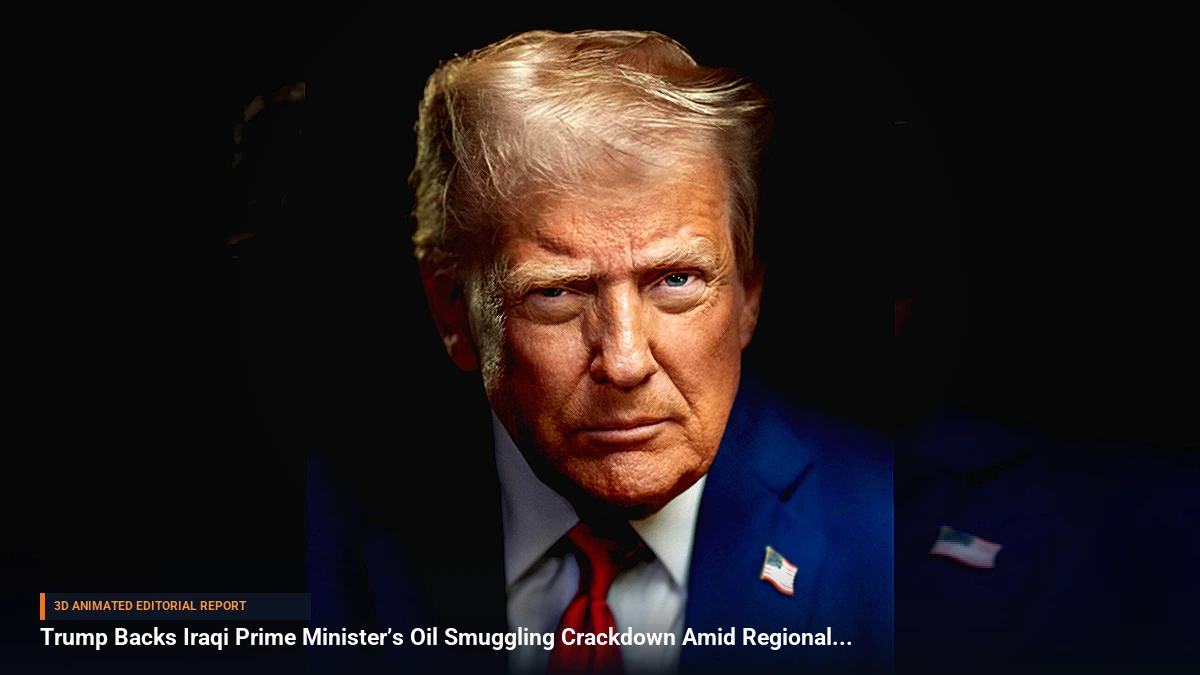
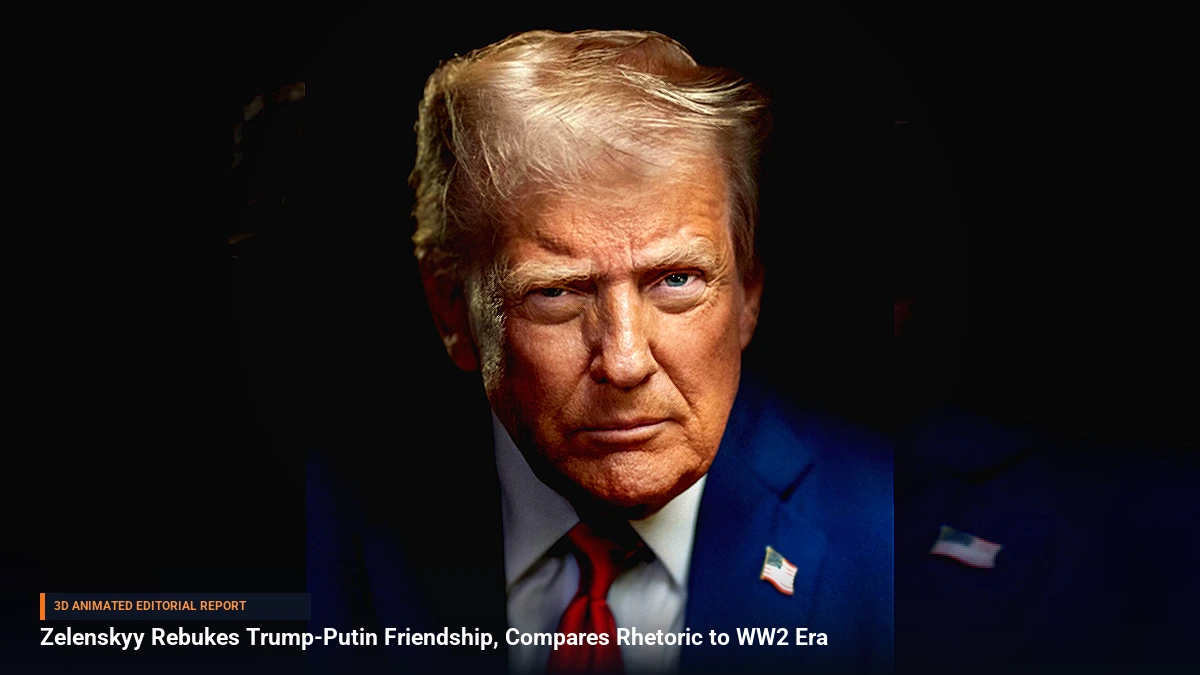
Recent geopolitical developments in the Middle East have brought energy security and central government oversight to the forefront. Donald Trump publicly expressed robust support for the Iraqi prime minister's ongoing initiatives to crack down on illicit oil smuggling operations within the country. This endorsement from Washington serves as a significant diplomatic boost for Baghdad as it attempts to assert tighter fiscal and territorial control.
In tandem with these enforcement efforts, Baghdad enacted decisive measures by shutting down critical border crossings within the Kurdistan region that connect with neighboring Syria and Iran. These closures are designed to choke off unauthorized transit routes utilized by black-market networks. However, the sweeping nature of these interventions has immediately upended regional commerce and heightened political tensions between the federal government and semi-autonomous Kurdish entities.
Background & Key Context
For decades, the balance of power between Iraq's federal government in Baghdad and the Kurdistan Regional Government (KRG) has been a delicate diplomatic tightrope. Issues regarding independent oil exports, revenue sharing, and border administration have consistently sparked intense domestic friction. Smuggling networks have long exploited porous borders in northern Iraq, capitalizing on geopolitical divides and mountainous terrain to move petroleum outside state regulatory frameworks.
Washington's diplomatic involvement historically pivots around regional stability, counter-terrorism, and safeguarding energy corridors. By throwing its weight behind Baghdad's anti-smuggling campaign, the US administration is signaling a preference for centralized economic oversight to curtail illicit financing and shore up state revenues.
Key Takeaways
- US Endorsement: Donald Trump voiced clear support for the Iraqi prime minister's efforts to eradicate illegal oil smuggling.
- Border Shutdowns: Baghdad moved swiftly to close key border crossings in the Kurdistan region bordering Syria and Iran.
- Kurdish Pushback: Local Kurdish authorities condemned the closures as severe constitutional violations.
- Calls for Dialogue: Regional leaders in Kurdistan have demanded an urgent high-level meeting to address federal overreach.
- Energy Security Focus: The crackdown aims to plug revenue leaks and restore centralized control over strategic natural resources.
Impact, Analysis & Global/National Reactions
The federal government's aggressive assertion of authority has not gone unanswered. Kurdish authorities immediately warned that Baghdad's unilateral border closures and security moves constitute direct constitutional violations. Escalating the diplomatic standoff, regional leadership has formally called for an emergency meeting to formulate a unified response against what they view as an encroachment on their autonomous rights.
Analysts note that while international partners like the United States favor a unified, law-abiding Iraqi state capable of securing its borders, heavy-handed central policies risk alienating vital domestic allies. The Kurdish region has historically operated with a high degree of autonomy, and any existential threat to its economic independence threatens to plunge domestic Iraqi politics back into protracted gridlock.
What's Next: Looking Ahead
As the dust settles from these initial executive moves, all eyes will be on Baghdad and Erbil to see if diplomatic channels can supersede confrontation. The proposed emergency meetings called by Kurdish officials will be critical in determining whether a compromise can be reached over joint border management and revenue oversight.
Furthermore, international observers will monitor whether the promised crackdown yields measurable reductions in black-market petroleum flows or if it simply drives illicit operations deeper underground. For the current administration in Baghdad, balancing Washington's approval with domestic constitutional obligations will remain its defining governance test in the months ahead.
Be the first to comment
Start a useful conversation around this story.