
What Happened: The Core Developments
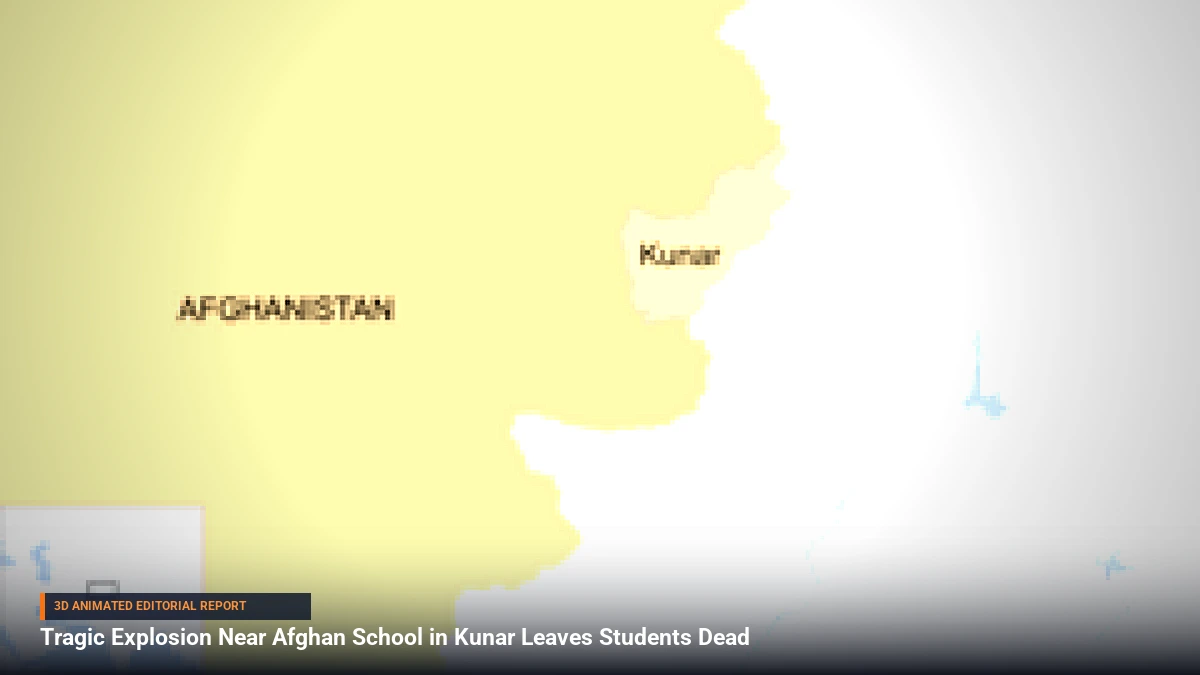
A massive explosion occurred directly beside a middle school in Asadabad, the capital of Kunar province in eastern Afghanistan, sending shockwaves through the local community. The blast struck during school hours, resulting in a high toll of young casualties and overwhelming local medical facilities.
Initial casualty estimates varied slightly across reporting agencies, with some international outlets confirming six deaths while others recorded seven. The number of injured children is reported to be between 90 and nearly 100, placing an immense strain on regional hospitals as doctors rushed to treat severe blast injuries, shrapnel wounds, and trauma.
Background & Key Context
Post-conflict zones frequently grapple with the latent dangers of stored ordnance, military hardware, and makeshift explosive caches left behind or maintained near civilian populations. While combat operations have shifted significantly across Afghanistan in recent years, the infrastructure supporting military materials often remains dangerously close to schools, residential neighborhoods, and public markets.
In the immediate aftermath of the Asadabad explosion, initial news reports indicated a lack of clarity regarding the cause, prompting widespread concern over whether it was an intentional targeted attack or an accident. However, a spokesman for Afghanistan's interior ministry subsequently clarified that the catastrophe stemmed from sheer carelessness at a nearby explosives depot.
Key Takeaways
- High Casualties: Between 6 and 7 students were killed, and roughly 90 to 100 others sustained injuries.
- Location: The blast occurred immediately adjacent to a middle school located in Asadabad, Kunar province.
- Official Explanation: The Afghan interior ministry attributed the explosion to negligence and mishandling at a nearby explosives depot.
- Preliminary Figures: Authorities warned that casualty figures remain preliminary and could rise as rescue and verification efforts continue.
Impact, Analysis & Global/National Reactions
The incident has reignited intense debate regarding the safety of maintaining explosive stockpiles or military depots in close proximity to civilian infrastructure, particularly educational institutions. Child safety advocates and local communities have long warned about the secondary hazards posed by unsecured or poorly managed ordinance storage sites.
The attribution of the blast to "carelessness" rather than a targeted strike highlights systemic safety and regulatory vulnerabilities within post-conflict security management. Medical personnel in Kunar province described chaotic scenes as families converged on local clinics searching for missing children, stretching emergency response capabilities to their absolute limits.
What's Next: Looking Ahead
Local authorities and ministry officials are expected to conduct a comprehensive inquiry into why explosive materials were stored near a school and who was directly responsible for the operational negligence. International observers and humanitarian organizations will likely use this tragedy to push for the systematic relocation of all military and explosive assets away from civilian zones across Afghanistan to prevent future catastrophes.





Be the first to comment
Start a useful conversation around this story.