
What Happened: The Core Developments
In an unprecedented escalation of tensions between the executive branch and the press, major United States television networks—including ABC, CBS, Fox News, and NBC—declined to participate in White House pool coverage or broadcast scheduled administration events. The unprecedented media blackout was triggered by a presidential directive that banned certain media outlets, notably CNN, from the White House grounds.
The administrative restriction prevented CNN from fulfilling its scheduled rotation as the designated White House pool broadcaster. Rather than allowing the administration to selectively bypass specific outlets or substitute coverage arrangements, the remaining major networks united in solidarity, refusing to replace CNN's crew or air official feeds of events, such as a presidential speech regarding a new White House helicopter pad.
Background & Key Context
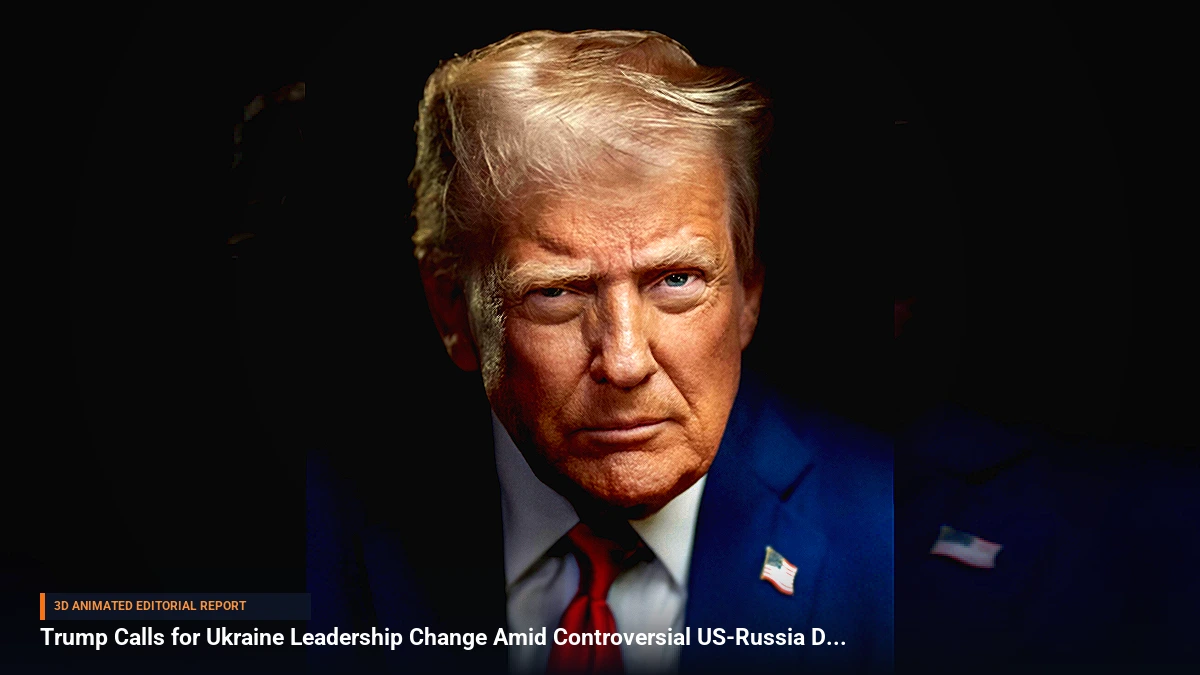
Friction between the executive branch and independent news organizations is a persistent element of modern American politics, but the events mark a sharp departure in scale and severity. The restriction followed escalating verbal attacks from President Donald Trump, who publicly labeled segments of the U.S. media as a "threat to our National Security."
In response to the denial of physical and operational access, targeted organizations moved swiftly through judicial channels. On Monday, CNN, MS Now, and Politico filed a joint lawsuit in the U.S. District Court for the District of Columbia. The complaint targets the administration's actions as direct infringements upon core constitutional protections.
Key Takeaways
- Unprecedented Solidarity: Major competing television networks—ABC, CBS, Fox News, and NBC—refused to take over White House pool broadcasting duties in a rare display of industry unity.
- Legal Action Initiated: CNN, MS Now, and Politico jointly filed a federal lawsuit in the U.S. District Court for the District of Columbia.
- Constitutional Claims: The lawsuit formally alleges that the administration's ban violates First Amendment rights and due process guarantees.
- Presidential Counter-Stance: President Trump defended the restrictions while publicly asserting that he anticipated losing the legal challenge based on judicial assignments.
- Operational Impact: Official White House events proceeded with severely limited or entirely absent standard network broadcast distribution.
Impact, Analysis & Global/National Reactions
The coordinated broadcast blackout highlights a profound constitutional showdown over the boundaries of executive authority and the public's right to independent reporting. Press freedom advocates argue that denying press credentials based on editorial content sets a dangerous authoritarian precedent.
Legal scholars note that the lawsuit tests the legal limits of executive discretion regarding property management versus constitutional free speech protections. Meanwhile, the administration has remained defiant. Addressing the litigation, President Trump dismissed the legal challenge while casting doubt on a favorable judicial outcome, reflecting ongoing rhetorical hostility toward mainstream journalism.
What's Next: Looking Ahead
The legal battle unfolding in the U.S. District Court for the District of Columbia is expected to move swiftly through initial hearings, potentially establishing a landmark precedent regarding press access to executive properties. As the litigation proceeds, industry watchers will monitor whether the broadcast networks maintain their unified blackout during upcoming presidential events, or if alternative reporting arrangements will redefine how the administration communicates with the public.

Be the first to comment
Start a useful conversation around this story.