
What Happened: The Core Developments
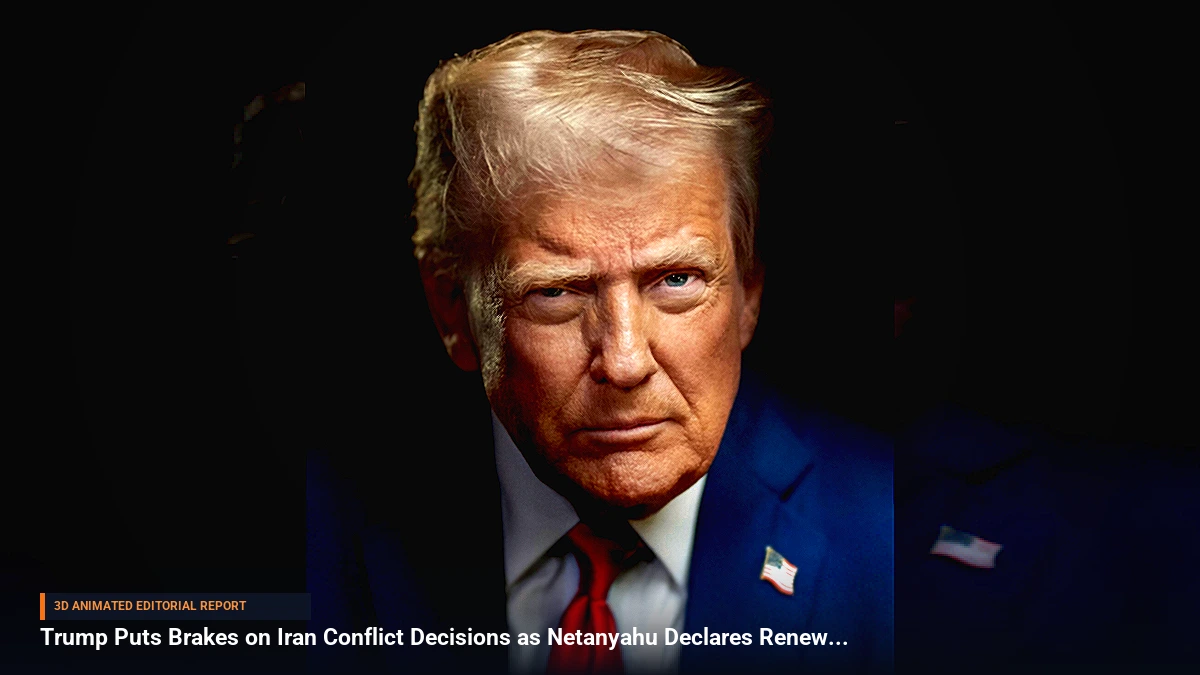
A distinct divergence in posture has materialized between the United States and Israel concerning potential future military actions against Iran. Donald Trump recently indicated that he is not rushing into a decision regarding a conflict with Tehran, emphasizing that the US will wait and "see what happens" after January 1. This measured timeline contrasts sharply with the perspective coming from Israeli leadership.
Simultaneously, Israeli Prime Minister Benjamin Netanyahu characterized a renewed war with Iran as "unavoidable," even while acknowledging the cautious, deliberate stance adopted by Washington. Reports from diplomatic and defense circles suggest that Israeli officials, including intelligence chiefs visiting the US, have been pressing for more immediate and aggressive postures, heightening the visibility of this allied friction.
Background & Key Context
The current friction builds on years of escalating tensions, proxy conflicts, and direct skirmishes between Israel and Iran, alongside rigorous international diplomacy and economic sanctions led by the United States. Previous escalations have repeatedly brought the Middle East to the brink of broader regional warfare, with Washington often acting as both a strategic enabler and a diplomatic brake on Israeli military initiatives.
While Israel views the containment and dismantling of Iran's nuclear infrastructure and regional proxy networks as an existential, time-sensitive necessity, American strategic calculus often factors in broader global commitments, domestic economic priorities, and the long-term sustainability of prolonged military engagements. Trump's recent assertions underscore an administration hesitant to be drawn into an open-ended regional conflict without exhaustive preparation and a clearly defined endgame.
Key Takeaways
- Diverging Timelines: Trump has explicitly stated he is in no rush to make a definitive decision on Iran conflict escalation until after January 1.
- Israeli Urgency: Prime Minister Benjamin Netanyahu has openly declared that a renewed war with Iran remains unavoidable, highlighting differing operational priorities.
- Allied Friction: Reports indicate Israeli security and intelligence officials have pressed Washington for faster, more decisive strikes.
- Strategic Autonomy: Trump has maintained that the United States does not require external assistance from powers like China or Russia to manage or conclude the Iranian issue.
- Extended Horizon: Observers note that current strategic assessments suggest potential tensions and military postures could stretch far into upcoming years.
Impact, Analysis & Global/National Reactions
Market analysts and geopolitical experts are closely monitoring the rhetoric between Washington and Jerusalem. The lack of synchronized messaging creates an atmosphere of unpredictability across global crude oil markets and regional security sectors. Analysts suggest that while Israel perceives an urgent operational window to neutralize perceived threats, the United States is exercising strategic patience.
"The divergence in tone between Washington and Jerusalem highlights the classic tension between a regional power facing immediate, localized threats and a global superpower weighing macro-strategic interests," noted one defense analyst following the developments. Despite the differing perspectives, both nations remain tightly aligned on the overarching objective of countering Iranian influence, even if the pathway and velocity toward that goal remain fiercely debated.
What's Next: Looking Ahead
As the January 1 threshold approaches, international diplomats and intelligence agencies will be watching for any concrete shifts in US policy or military positioning. Key indicators to monitor include bilateral high-level security consultations between US and Israeli defense officials, potential adjustments to regional force deployments, and any official legislative or executive statements from Washington regarding its long-term Middle East strategy.


Be the first to comment
Start a useful conversation around this story.