
What Happened: The Core Developments
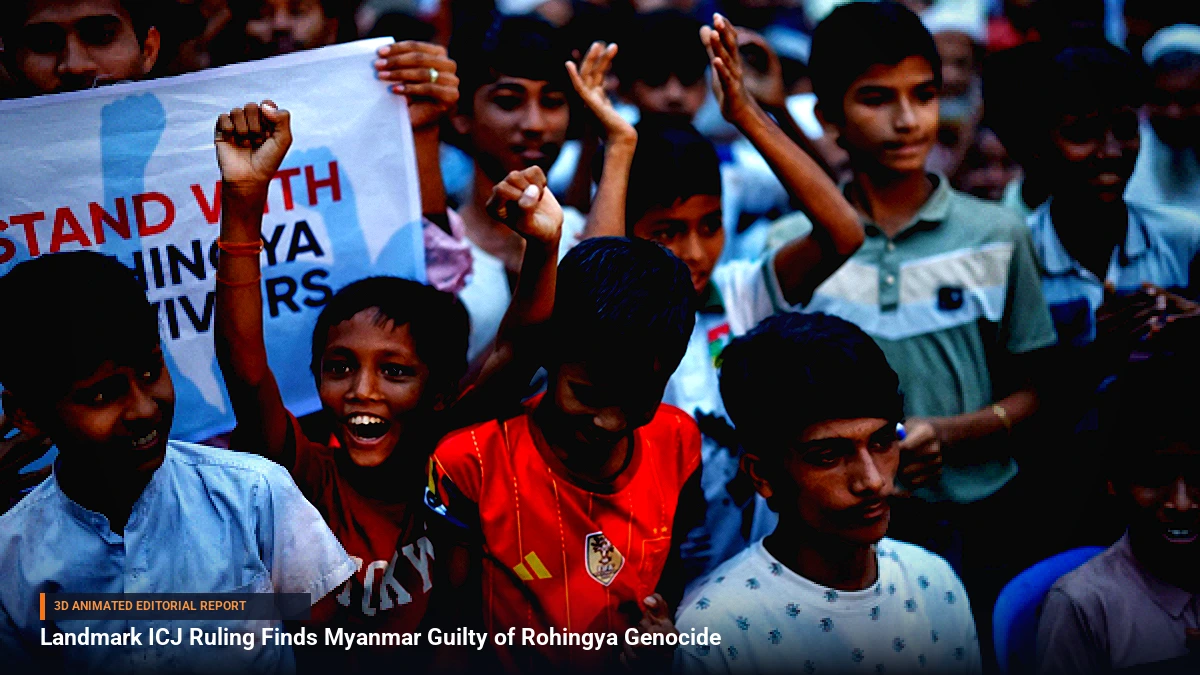
In a historic and long-awaited legal determination, the International Court of Justice (ICJ) has formally issued a ruling finding Myanmar guilty of genocide against the Rohingya Muslim minority. The judgment marks a monumental turning point in international human rights jurisprudence, addressing systematic atrocities that forced hundreds of thousands of Rohingya to flee across the border into Bangladesh. Across refugee camps and international diaspora communities, the verdict was met with tears of joy, communal prayers, and profound relief as victims witnessed the highest court in the United Nations system validate their decades-long pursuit of justice.
Background & Key Context
The legal proceedings trace back to years of documented violence, institutionalized discrimination, and military crackdowns in Myanmar's Rakhine State. The case itself was brought before the ICJ under the Genocide Convention, compelling the global community to scrutinize the systemic nature of the military's operations against the stateless minority. Prior to this final determination, the court had implemented provisional measures ordering Myanmar to prevent acts of genocide and preserve evidence. However, this definitive ruling goes far beyond preliminary injunctions, establishing formal legal culpability on the international stage.
Key Takeaways
- Historic Verdict: The ICJ officially found Myanmar guilty of genocide against the Rohingya population.
- Global Significance: The ruling represents a rare instance of a state being held legally accountable for genocide under international law.
- Community Reaction: Displaced Rohingya populations in refugee settlements responded with tears of joy and renewed prayers for a safe return home.
- Wider Implications: Legal experts note the precedent set by this judgment could influence other contemporary international human rights cases and genocide allegations globally.
- Unresolved Logistics: Critical questions remain regarding enforcement mechanisms, court-mandated reparations, and a safe, structured road home for refugees.
Impact, Analysis & Global/National Reactions
The international community has reacted swiftly to the landmark judgment, with human rights organizations and legal analysts praising the ICJ for its unwavering stance against mass atrocities. Representatives from various global bodies emphasize that the ruling strips away the impunity long enjoyed by state perpetrators of ethnic cleansing and genocide. Furthermore, geopolitical analysts suggest the verdict carries broad implications for other ongoing international disputes, potentially reshaping how courts evaluate state-sponsored violence and systemic persecution.
What's Next: Looking Ahead
As the dust settles on this monumental legal milestone, attention now turns to the practical enforcement of the court's findings. Stakeholders and human rights advocates are pressing the international community to establish concrete mechanisms for accountability, reparations, and the eventual repatriation of the Rohingya. While the legal battle at the ICJ has reached a historic conclusion, the humanitarian roadmap toward justice, security, and rebuilding lives in Rakhine State remains a complex and formidable challenge.

Be the first to comment
Start a useful conversation around this story.