
What Happened: The Core Developments
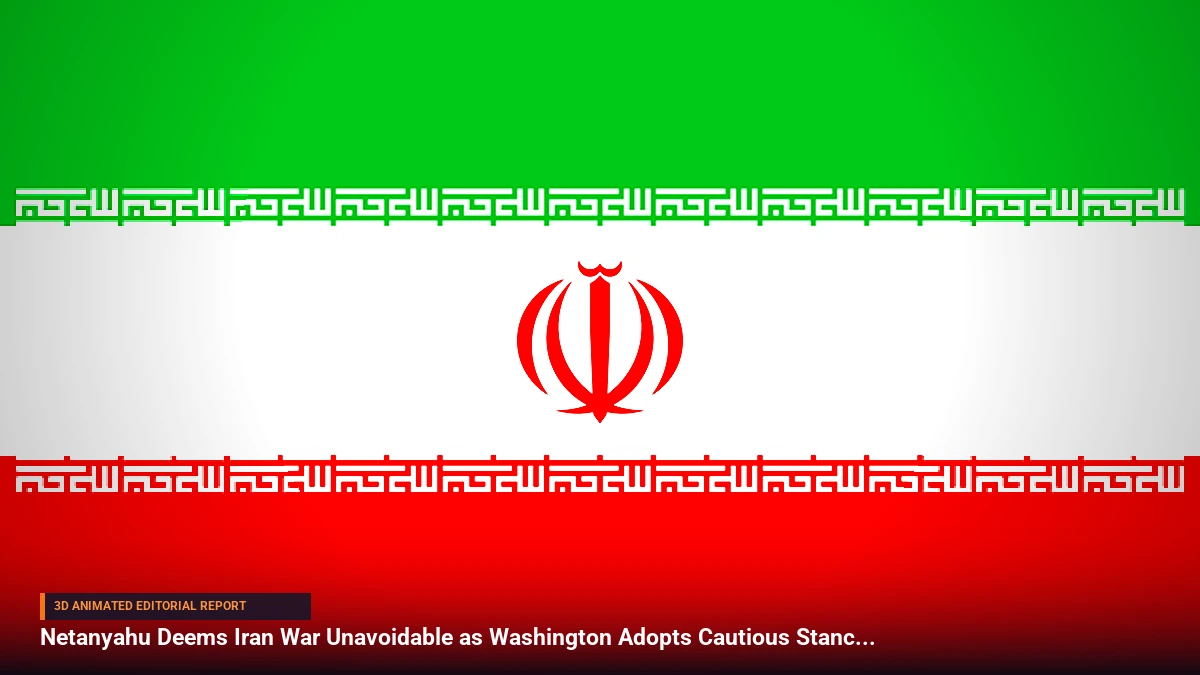
Recent intelligence and diplomatic reports indicate a growing strategic divergence between Israeli leadership and Washington regarding how to handle the escalating security threats posed by Tehran. According to sources close to the matter, Israeli Prime Minister Benjamin Netanyahu has expressed the view to aides that a renewed war with Iran is effectively unavoidable. This assessment has been accompanied by active lobbying from Israeli officials, including the nation's spy chief during a recent visit to the United States, urging Washington to consider fresh military strikes.
At the same time, the administration of U.S. President Donald Trump has signaled a more measured approach. Officials note that the White House is not currently rushing into a hasty military conflict, choosing instead to weigh various diplomatic and tactical options before committing to any large-scale offensive operations in the region.
Background & Key Context
Tensions between Israel and Iran have remained at a boiling point following months of proxy skirmishes, direct missile exchanges, and ongoing regional instability across the Middle East. Israel has consistently maintained that international containment efforts are insufficient to neutralize the long-term nuclear and ballistic capabilities of the Iranian state.
Concurrently, internal security dynamics within Israel have heightened the political and military urgency felt by Netanyahu's administration. Intelligence agencies and security chiefs have engaged in extensive planning sessions, evaluating potential covert operations and kinetic strikes to disrupt Iranian military infrastructure.
Key Takeaways
- Diverging Timelines: Israeli leadership views renewed conflict with Iran as an inevitable necessity, whereas U.S. officials are adopting a slower, more cautious pacing.
- High-Level Diplomacy: Israeli intelligence officials have actively pressed Washington decision-makers to support or participate in renewed military action.
- Strategic Deliberation: U.S. President Donald Trump is reportedly weighing the pros and cons of potential new strikes without succumbing to immediate pressure for an escalation.
- Regional Anxiety: Neighboring Middle Eastern nations are simultaneously stepping up diplomatic efforts to prevent an all-out regional war.
Impact, Analysis & Global/National Reactions
The friction between immediate military imperatives perceived by Jerusalem and the strategic patience favored by Washington highlights the complex nature of modern alliance management. Defense analysts note that while Israel perceives an existential window to degrade Iranian capabilities, the United States must balance regional security with broader global commitments and economic stability.
Regional stakeholders have voiced grave concerns that an uncalculated strike could trigger a wider conflagration, disrupting global energy markets and drawing in other regional actors. Diplomatic channels across the Middle East remain active as intermediaries attempt to bridge the gap between aggressive deterrence and prolonged containment.
What's Next: Looking Ahead
As intelligence briefings continue behind closed doors, all eyes remain on upcoming high-level diplomatic exchanges between Israeli and American defense officials. The coming weeks will likely determine whether the two allied nations can align their strategic goals, or if differing assessments of urgency will shape independent paths of action in the Middle East.




Be the first to comment
Start a useful conversation around this story.