
What Happened: The Core Developments
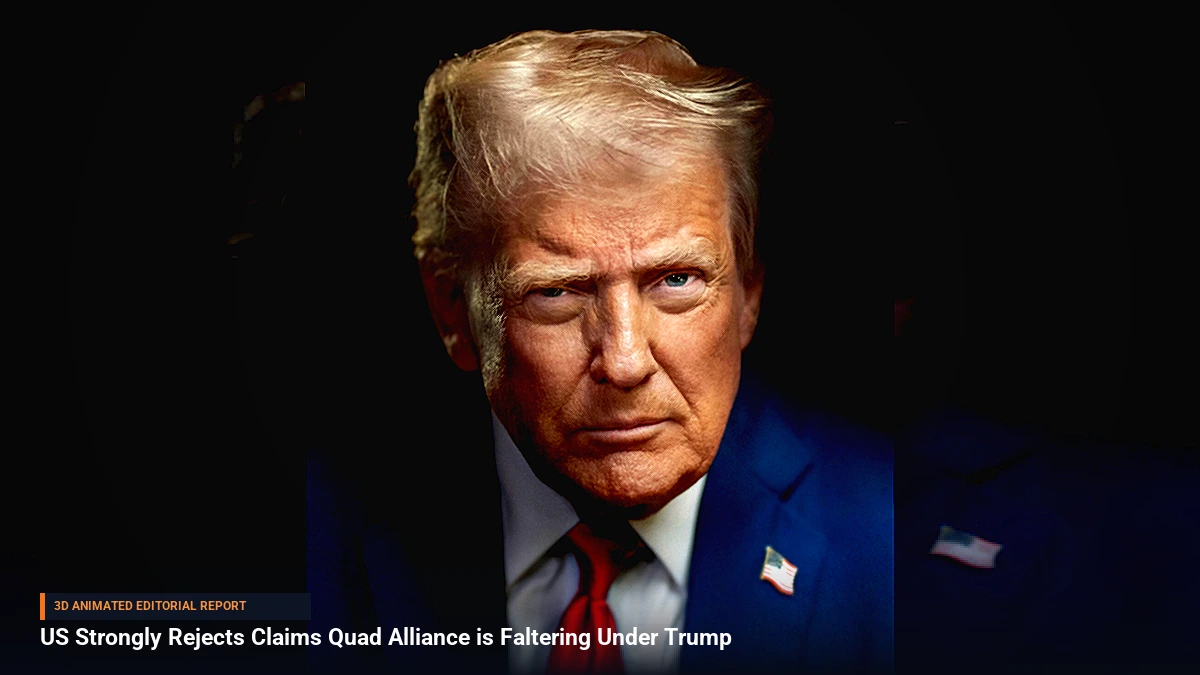
Recent commentary, notably emerging from outlets like Politico, has raised questions regarding the operational future and strategic consistency of the Quadrilateral Security Dialogue—comprising the United States, India, Japan, and Australia—under the Trump administration. However, Washington has swiftly countered these narratives, dismissing claims that the critical Indo-Pacific alliance is withering or operating on life support.
Diplomatic channels are actively working to formalize plans for a major Quad leaders' summit. According to credible reports and diplomatic sources, preparations are well underway to host the high-stakes gathering in Manila, with a tentative meeting date slated around November 17. This active scheduling serves as a tangible counterweight to external speculations of administrative disinterest.
Background & Key Context
The Quad has evolved over the past decade from an informal grouping into a foundational pillar of Indo-Pacific security architecture, aimed at ensuring a free, open, and rules-based maritime region. Despite its strategic importance in balancing rising geopolitical tensions, shifting domestic political priorities and changing foreign policy doctrines in Washington have periodically invited scrutiny over the bloc's long-term durability.
Critics have frequently pointed to potential policy realignments within the current U.S. administration as a vulnerability for multilateral partnerships. Yet, supporters and administration officials maintain that the strategic imperative of countering regional hegemony ensures deep, bipartisan commitment to the Quad's core mission.
Key Takeaways
- Official Denial: Washington has formally refuted claims that the Quad is losing momentum or operating on artificial life support.
- Summit Preparation: Diplomatic preparations are advancing rapidly for a proposed Quad leaders' meeting in Manila.
- Tentative Timeline: Sources indicate that the upcoming summit could take place around November 17.
- Strategic Continuity: Despite media skepticism, the U.S. and its partners continue to prioritize Indo-Pacific cooperation.
- Alliance Resilience: The forthcoming summit demonstrates that minilateral frameworks remain central to regional security strategies.
Impact, Analysis & Global/National Reactions
The forceful rebuttal from American officials highlights the sensitivity surrounding Indo-Pacific alliances and the Biden-to-Trump administrative transitions. Analysts suggest that maintaining visible momentum is crucial for reassuring regional partners—such as New Delhi, Tokyo, and Canberra—that Washington's security guarantees and cooperative frameworks remain unwavering.
"The Quad continues to function as an indispensable mechanism for regional stability," noted a foreign policy observer. "Public dismissals of its demise are necessary to prevent strategic miscalculation by adversaries and to maintain confidence among member states."
What's Next: Looking Ahead
All eyes are now focused on the finalization of the Manila summit agenda and the official confirmation of the November 17 date. As planners iron out the logistical and diplomatic details, the upcoming meeting will serve as a definitive litmus test for the alliance's ongoing cohesion and strategic direction under the current U.S. leadership.

Be the first to comment
Start a useful conversation around this story.