
What Happened: The Core Developments
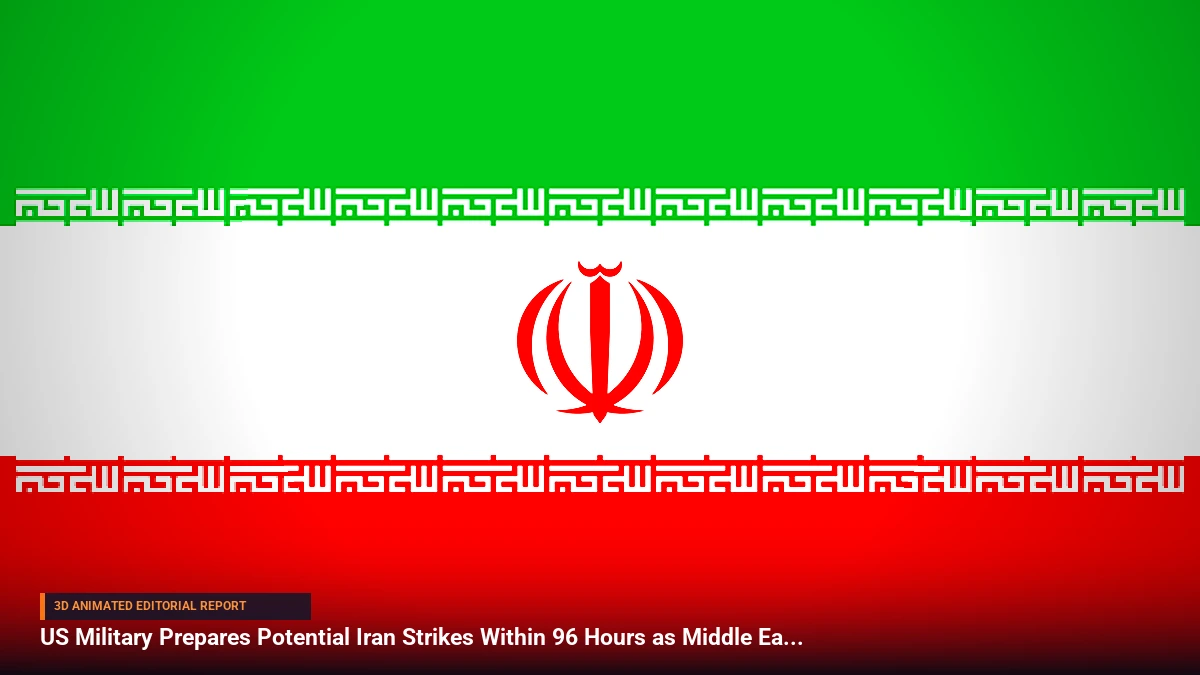
Recent defense assessments indicate that United States military planners have established high-readiness postures regarding potential contingencies involving Iran. According to intelligence and defense tracking reports, the current operational architecture allows for kinetic actions to be initiated within a strict 96-hour timeframe following formal executive approval.
Concurrently, the Department of Defense has reinforced the region's defensive and offensive capabilities by deploying additional warships to key maritime choke points in the Middle East. This buildup underscores a broader deterrence strategy aimed at countering potential escalations amid shifting geopolitical alignments.
Background & Key Context
The latest round of tactical positioning unfolds against a complex backdrop of regional diplomacy, domestic political pressures in both Israel and the United States, and ongoing discussions regarding leadership dynamics in Tehran. Reports have highlighted intricate diplomatic friction points, including historical exchanges between international leaders regarding the timing and scope of potential preemptive operations.
At the same time, regional populations face acute anxiety regarding the trajectory of diplomatic channels, with concerns growing over a potential return to open-ended conflict as multiple domestic electoral cycles converge.
Key Takeaways
- Rapid Execution Capability: United States military forces maintain a posture enabling targeted operations within 96 hours of receiving official commands.
- Naval Reinforcements: Additional naval surface combatants have been redeployed to Middle Eastern waters to bolster regional deterrence.
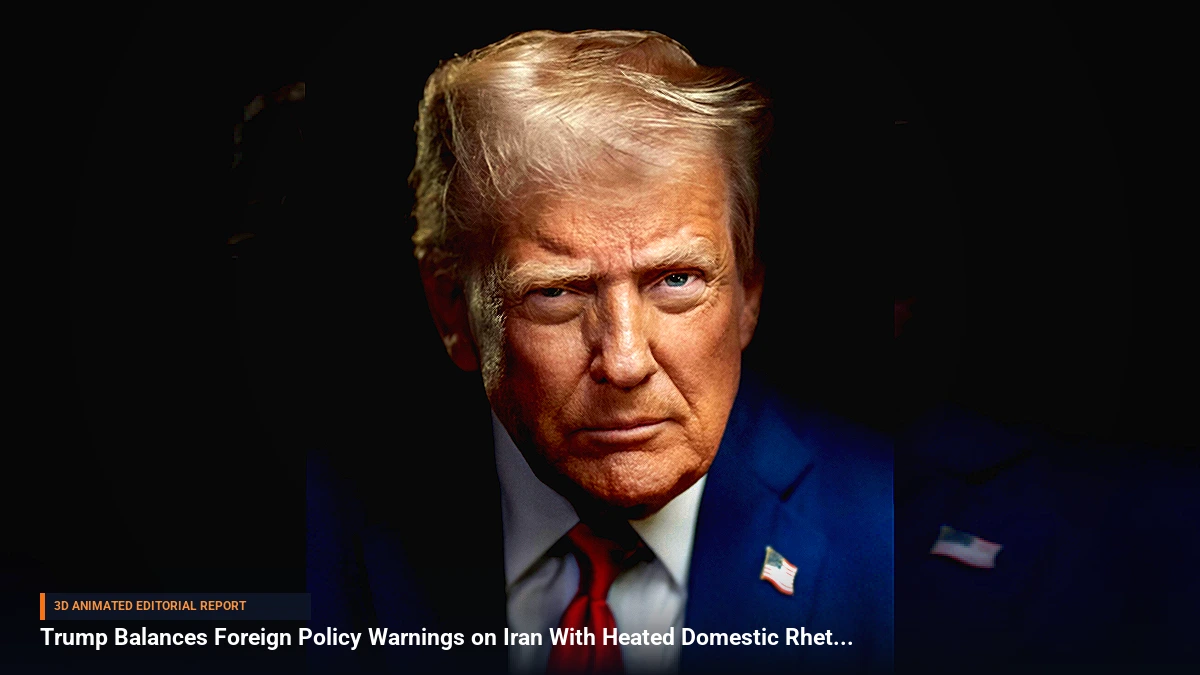
- Strategic Calculations: Leadership discourse continues to weigh the fine line between exerting maximum pressure and avoiding chaotic leadership vacuums.
- Regional Anxiety: Local populations and neighboring states have expressed heightened concern over the potential escalation of hostilities.
Impact, Analysis & Global/National Reactions
Defense analysts note that the deployment of heavy naval assets combined with rapid-strike readiness serves a dual purpose: deterring hostile actions by regional proxies while maintaining a credible military option. International reactions have been measured, with allies urging caution to prevent accidental escalation.
Statements from leadership circles have emphasized the delicate nature of high-stakes diplomacy. While military readiness remains high, diplomatic channels are continuously evaluated to ascertain whether targeted pressure can yield strategic objectives without triggering a wider regional war.
What's Next: Looking Ahead
As intelligence briefings continue, international observers will monitor naval movements in the Middle East and upcoming legislative or executive announcements out of Washington. The primary focus remains on whether diplomatic initiatives can defuse tensions or if operational readiness translates into active tactical deployment in the near term.





Be the first to comment
Start a useful conversation around this story.