
What Happened: The Core Developments
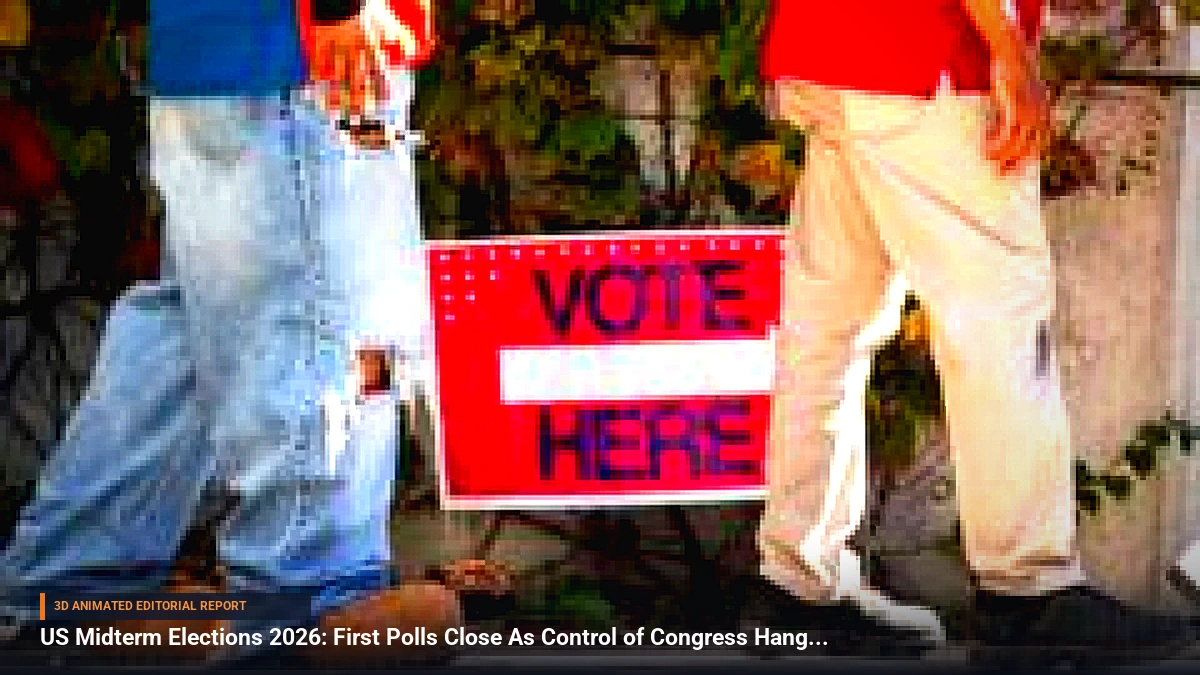
The 2026 United States midterm elections entered their crucial reporting phase as voting locations officially began shutting their doors across the country. The earliest wave of poll closures occurred at 23:00 GMT, marked by the locking of ballot boxes in the states of Indiana and Kentucky.
With millions of Americans having cast their ballots throughout the day, the focus immediately shifted to the preliminary tallying process. Control of the entire United States Congress—encompassing both the fiercely contested Senate and the House of Representatives—hangs squarely in the balance, setting the stage for a dramatic night of political results.
Background & Key Context
Midterm elections traditionally serve as a critical referendum on the sitting presidential administration, and the 2026 cycle has proven to be no exception. Campaigns over the past several months have been dominated by intense debates over economic policy, inflation, cost-of-living pressures, and broader legislative priorities.
Political analysts and international observers have closely tracked the campaign trail, noting high levels of voter mobilization. Both major political parties poured unprecedented resources into swing districts and competitive senate seats, recognizing that even minor shifts in legislative margins could fundamentally alter the trajectory of the federal government for the remainder of the presidential term.
Key Takeaways
- Poll Closures Begin: The first voting precincts officially closed at 23:00 GMT, starting in Indiana and Kentucky before rolling across subsequent time zones.
- Congress on the Line: Both chambers of the US legislative branch—the Senate and the House of Representatives—are directly up for grabs.
- Economic Anxiety: Early exit polling and voter sentiment indicators highlight widespread public focus on economic conditions, inflation, and financial security.
- Referendum Dynamic: The midterms function as an immediate test of public approval for the current White House administration and legislative leadership.
- High Stakes for Policy: The eventual outcome will dictate the legislative bandwidth for federal appointments, fiscal policy, and regulatory agendas over the next two years.
Impact, Analysis & Global/National Reactions
Financial markets, international allies, and domestic stakeholders are closely monitoring the trickle of early returns. Global economic hubs, from Wall Street to international trading desks, are assessing how potential changes in congressional power might influence tax policy, trade agreements, and federal spending.
Early voter feedback reflects a deeply engaged electorate motivated by divergent visions for the country's future. Analysts note that voter turnout patterns in suburban and rural districts alike could point toward unexpected shifts in political momentum. As media outlets process early voting trends, institutional spokespersons and political strategists have emphasized patience, reminding the public that definitive outcomes may take hours or days to materialize as mail-in and provisional ballots are fully tabulated.
What's Next: Looking Ahead
As the remaining polls close across the western time zones, election administrators will work through the night to process and verify incoming votes. Attention will immediately turn to competitive bellwether states where razor-thin margins are expected.
Market participants and political observers await certified precinct reporting, which will offer clearer insights into which party will command legislative majorities. Official certification timelines and potential recount procedures in ultra-close races will dictate the final confirmation schedule for the incoming congressional session.





Be the first to comment
Start a useful conversation around this story.