
What Happened: The Core Developments
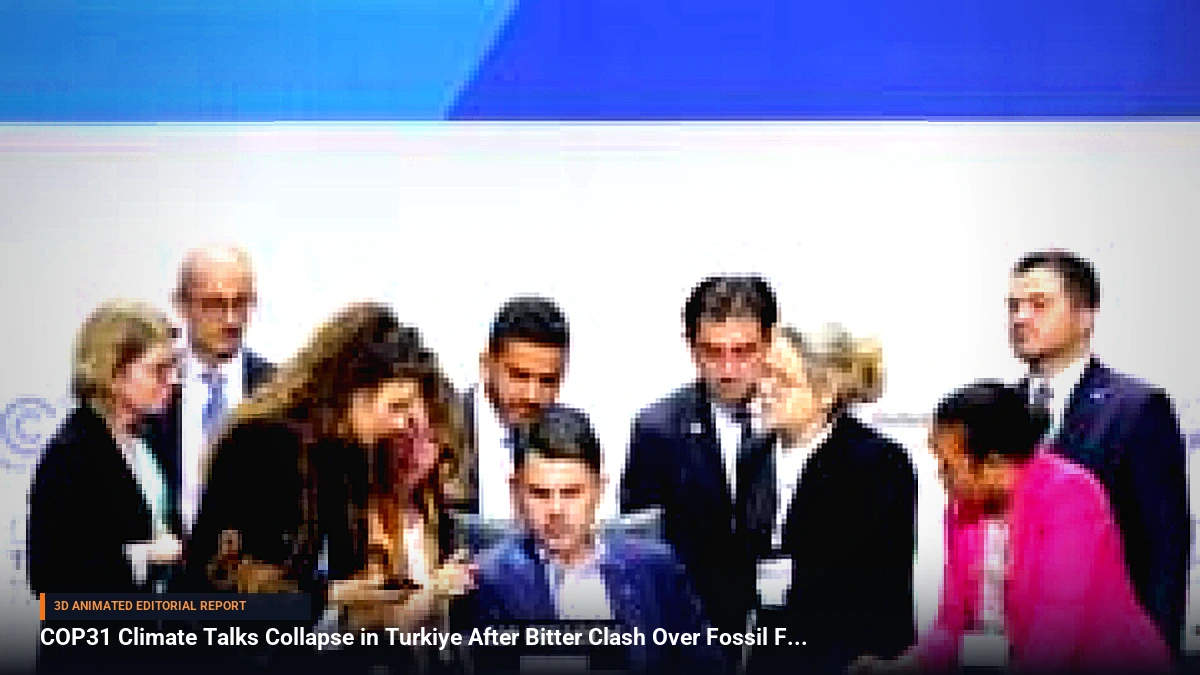
The COP31 UN climate summit, hosted in Turkiye, concluded without a final agreement after descending into a bitter impasse. Extending past its scheduled closing, the marathon negotiations became the longest UN climate summit in history before officially crumbling.
Delegates found themselves deadlocked over core transition language, culminating in a dramatic failure to secure a consensus text. This marks the first time a major UN climate conference has failed to produce an overarching deal since the deeply troubled Copenhagen summit in 2009, sending shockwaves through international environmental diplomacy.
Background & Key Context
Global climate summits operate on the principle of absolute consensus, requiring all participating nations to agree on final text declarations. In recent years, successive COP conferences have focused heavily on the phase-down or phase-out of fossil fuels, reflecting mounting scientific consensus regarding carbon emissions.
However, these negotiations have increasingly exposed a fractured geopolitical landscape. Developing nations demanding robust adaptation finance have frequently clashed with major industrial economies, while a powerful bloc of petrostates has consistently pushed back against explicit, binding commitments targeting oil, gas, and coal.
Key Takeaways
- Historic Collapse: COP31 ended without a comprehensive deal, marking the first failure to reach a consensus text since 2009.
- Longest Summit on Record: Despite stretching into overtime to forge a compromise, the talks in Turkiye became the longest UN climate conference in history.
- Fossil Fuel Stalemate: A bitter clash erupted over terminology, with oil-producing nations vehemently opposing the explicit inclusion of "fossil fuels" in the draft agreements.
- Weakened Drafts Rejected: Delegates ultimately deemed final compromise texts too diluted and ineffective to address the accelerating pace of global climate change.
- Multilateral Strain: The breakdown highlights widening trust deficits and policy divides between vulnerable nations, advanced economies, and fossil fuel-dependent states.
Impact, Analysis & Global/National Reactions
The collapse of the Turkiye talks has triggered widespread dismay among international delegates, civil society organizations, and climate scientists. Observers noted that the inability to align on basic vocabulary reflects a dangerous disconnect between geopolitical economic interests and escalating climate realities.
Disappointed delegates voiced concerns that the stalemate severely damages momentum built during previous accords. Critics argued that allowing a minority of oil-producing economies to veto crucial terminology paralyzes the multilateral framework's ability to drive meaningful emission reductions.
What's Next: Looking Ahead
With COP31 concluding without a breakthrough, attention immediately turns to the broader implications for international climate governance and upcoming interim negotiations. Observers warn that the failure to secure a unified framework in Turkiye will place immense pressure on incoming presidencies to rebuild fractured trust.
Stakeholders now face the daunting task of assessing whether future climate action can bypass centralized stalemates through bilateral agreements, regional alliances, or alternative financial architectures before the next scheduled global summit cycle.


Be the first to comment
Start a useful conversation around this story.