
What Happened: The Core Developments
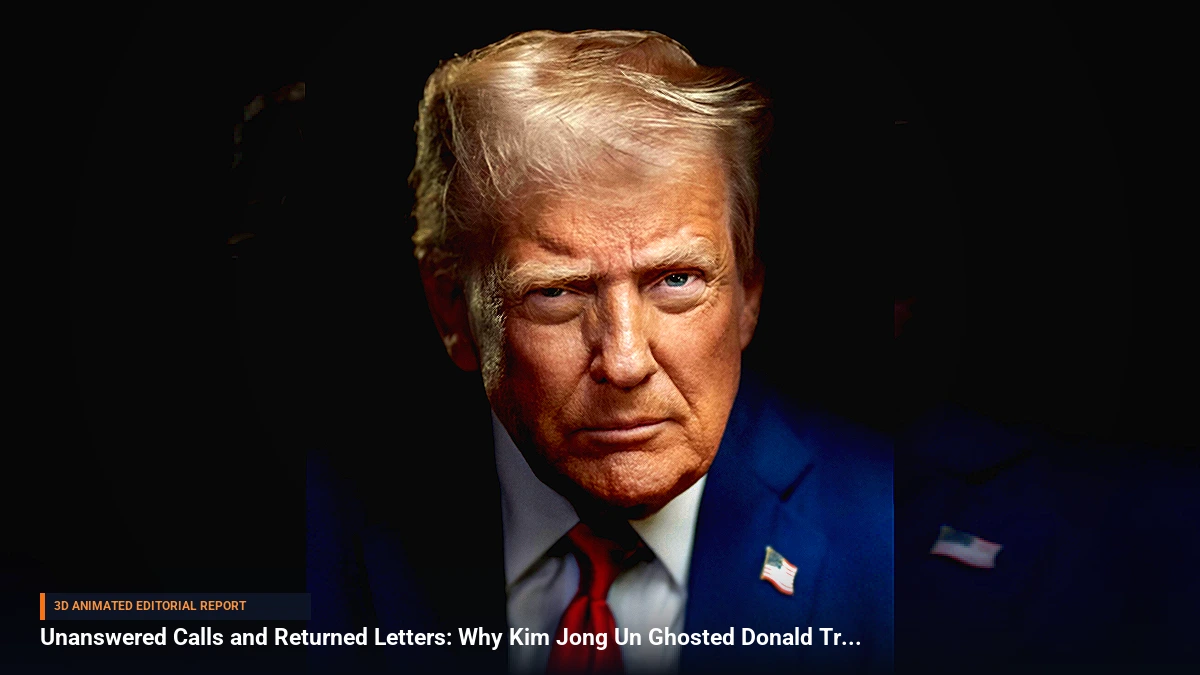
In the wake of his departure from the White House, former U.S. President Donald Trump sought to re-establish the unorthodox line of communication he once shared with North Korean Supreme Leader Kim Jong Un. However, these back-channel overtures met a wall of absolute silence. According to verified investigative reporting, telephone calls placed to Pyongyang went entirely unanswered, and a formal letter dispatched to the North Korean leadership was unceremoniously returned unopened.
This breakdown in communication highlights a stark contrast to the high-profile summits and personal bonhomie that characterized U.S.-North Korea relations during Trump's presidential tenure. Rather than reciprocating the outreach, Pyongyang chose total disengagement, leaving former avenues of personal diplomacy completely frozen.
Background & Key Context
During his time in office, Donald Trump pursued a polarizing strategy of face-to-face negotiations with Kim Jong Un, holding historic summits in Singapore and Hanoi, as well as an impromptu meeting at the Korean Demilitarized Zone. While proponents hailed these encounters as a groundbreaking departure from decades of diplomatic stagnation, critics argued they yielded few concrete concessions regarding North Korea's nuclear program.
Following the collapse of the Hanoi summit in 2019 without a formal denuclearization deal, relations cooled significantly. Since leaving office, Trump's attempts to revive that rapport have collided with a fundamentally altered geopolitical landscape where Pyongyang has opted for isolation and accelerated military modernization.
Key Takeaways
- Ignored Outreach: Former President Trump's post-presidency attempts to contact Kim Jong Un via phone calls and a written letter were completely rebuffed.
- Unopened Correspondence: A physical letter sent to the North Korean leader was returned to sender unopened, signaling a decisive end to the previous era of correspondence.
- Unyielding Nuclear Ambitions: North Korea has steadily continued to expand and upgrade its nuclear capabilities despite any overtures from Washington.
- Strategic Disinterest: Pyongyang has demonstrated zero appetite for reviving personal leader-to-leader summits without tangible structural concessions from the U.S.
Impact, Analysis & Global/National Reactions
International security analysts view North Korea's refusal to engage with Trump not merely as a personal snub, but as a calculated strategic alignment. Pyongyang appears to have concluded that future diplomatic engagement with the United States offers diminishing returns, particularly as Washington's political landscape remains volatile and unpredictable.
Furthermore, North Korea has deepened its strategic partnerships with other global actors, reducing its perceived need for direct dialogue with American political figures. Defense experts note that Kim Jong Un's regime is heavily focused on solidifying its status as an entrenched nuclear-armed state, leaving little room for nostalgia over past summits or informal diplomacy.
What's Next: Looking Ahead
As geopolitical tensions persist on the Korean Peninsula, future U.S. administrations face the daunting task of formulating a coherent policy toward a progressively advanced North Korean nuclear threat. With traditional back-channels dormant and personal diplomacy failing to yield results, international observers are watching closely to see whether future diplomatic frameworks will pivot toward multilateral deterrence or explore entirely new avenues of engagement.



Be the first to comment
Start a useful conversation around this story.