
What Happened: The Core Developments
The Union Cabinet has officially cleared a comprehensive delimitation bill that proposes an estimated 50% increase in Lok Sabha seats distributed across states, coupled with a constitutional freeze ceiling that will remain in effect until 2051. While the central administration frames this legislative overhaul as a necessary measure to accommodate population growth and modernize parliamentary infrastructure, the framework has immediately catalyzed nationwide political debate.
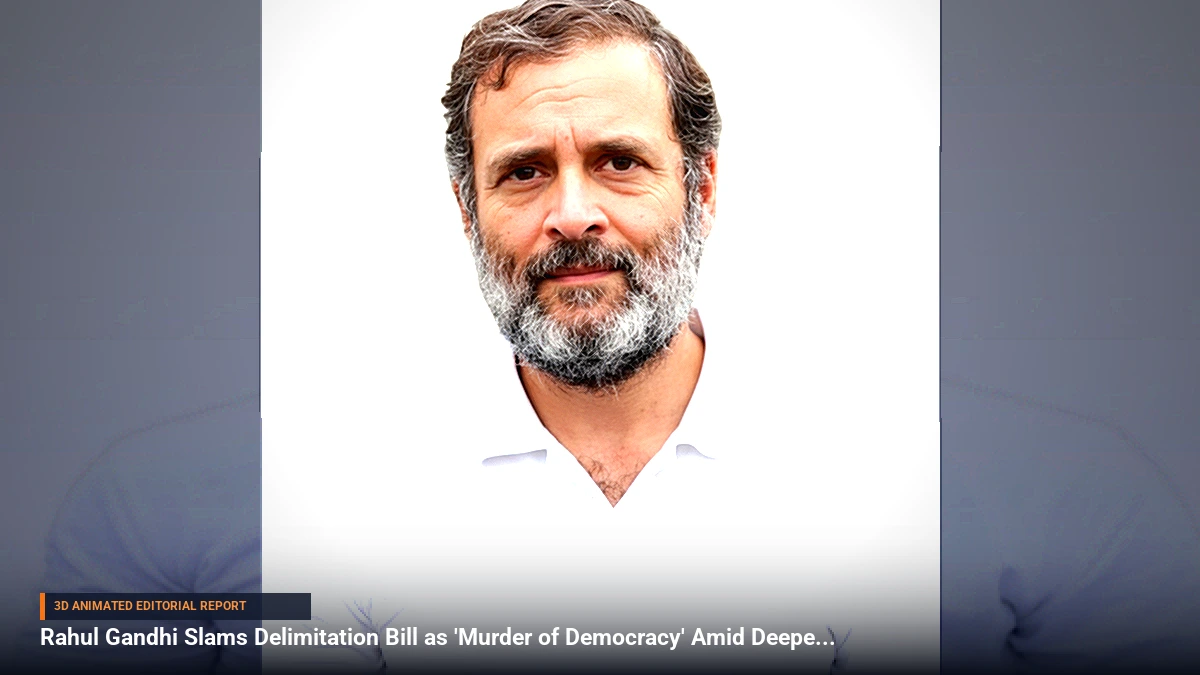
Major opposition parties have strongly criticized the Union government's sudden push for the bill. Senior political figures, including Congress President Mallikarjun Kharge, have actively initiated outreach efforts with regional powerhouses like the Dravida Munnetra Kazhagam (DMK), the Aam Aadmi Party (AAP), and the Biju Janata Dal (BJD) to forge a united legislative front against the proposed framework.
Background & Key Context
Delimitation—the process of redrawing parliamentary constituency boundaries based on recent population figures—has long been a contentious issue in Indian federal politics. Historically, exercises in population-based seat allocation have disadvantaged southern and western states that successfully implemented rigorous family planning and population control measures, compared to northern states experiencing rapid demographic growth.
The newly cleared bill attempts to mitigate these structural disparities by proposing a 50% expansion of total Lok Sabha seats alongside a freeze ceiling extending to 2051. However, southern regional parties remain deeply skeptical of assurances from the ruling coalition, arguing that structural imbalances could still diminish their relative legislative weight in New Delhi.
Key Takeaways
- Cabinet Clearance: The Union Cabinet has approved a major delimitation bill featuring a 50% increase in total Lok Sabha seats.
- Long-Term Freeze: The proposed legislation includes a freeze ceiling on seat allocations guaranteed to remain until 2051.
- Regional Pushback: The DMK has asserted a firm stance, refusing any reduction in Tamil Nadu's proportional share of seats.
- Opposition Mobilization: Opposition leaders are actively building cross-party consensus, reaching out to regional factions like AAP and BJD to counter the Centre's push.
- Demographic Dilemma: The reform highlights the ongoing friction between rewarding high population growth versus protecting states with successful population control programs.
Impact, Analysis & Global/National Reactions
The political fallout has been swift, particularly in southern India. The DMK has laid down unambiguous conditions for supporting the Delimitation Bill, demanding that Tamil Nadu's proportional share of Lok Sabha seats remain firmly protected at its historical benchmark of 7.18 percent. Highlighting the party's uncompromising position, leadership statements have emphasized that there can be "no change, no compromise" regarding the state's political representation.
Political analysts note that while expanding the overall seat capacity aims to prevent absolute losses for performing states, the proportional distribution formulas continue to spark deep anxiety. Critics argue that unless ironclad constitutional safeguards are codified, southern states fear being marginalized in national policy-making due to their demographic stabilization successes.
What's Next: Looking Ahead
As the legislation moves toward a parliamentary introduction, all eyes will be on floor management and opposition coordination. The ability of opposition parties to present a unified bloc will heavily influence whether the government faces substantial amendments or delays. Furthermore, responses from other southern and western states regarding the 50% seat increase proposal will shape the broader national discourse on federal balance and representation equity in the coming weeks.
Be the first to comment
Start a useful conversation around this story.