
What Happened: The Core Developments
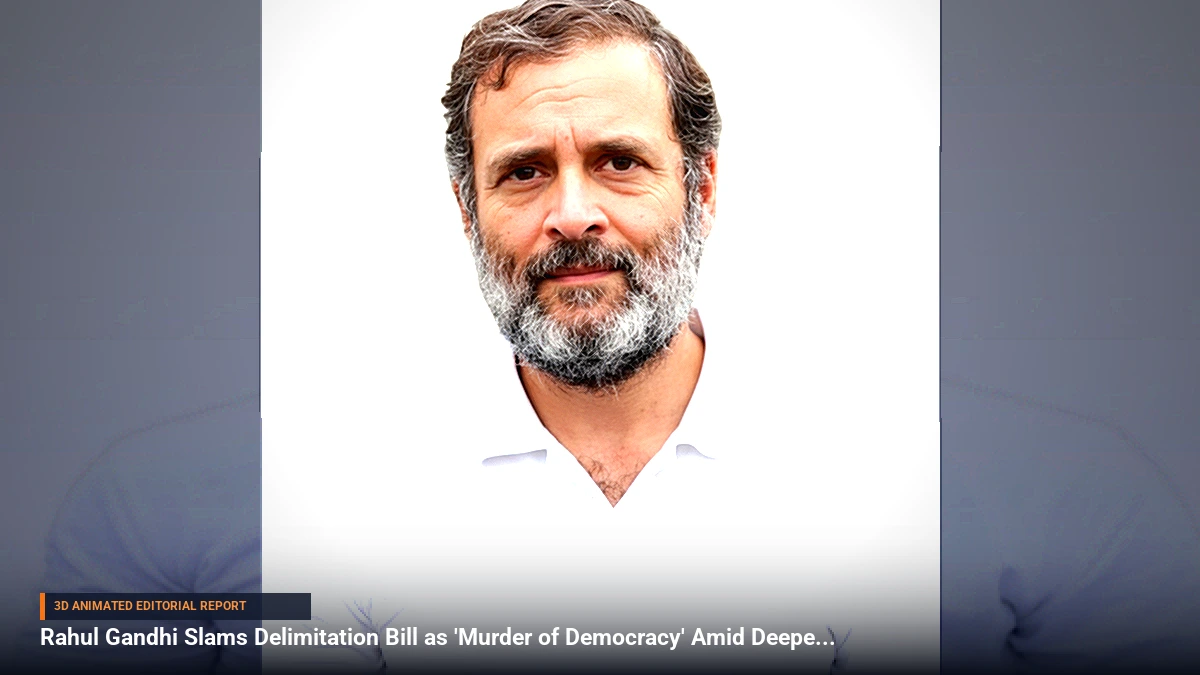
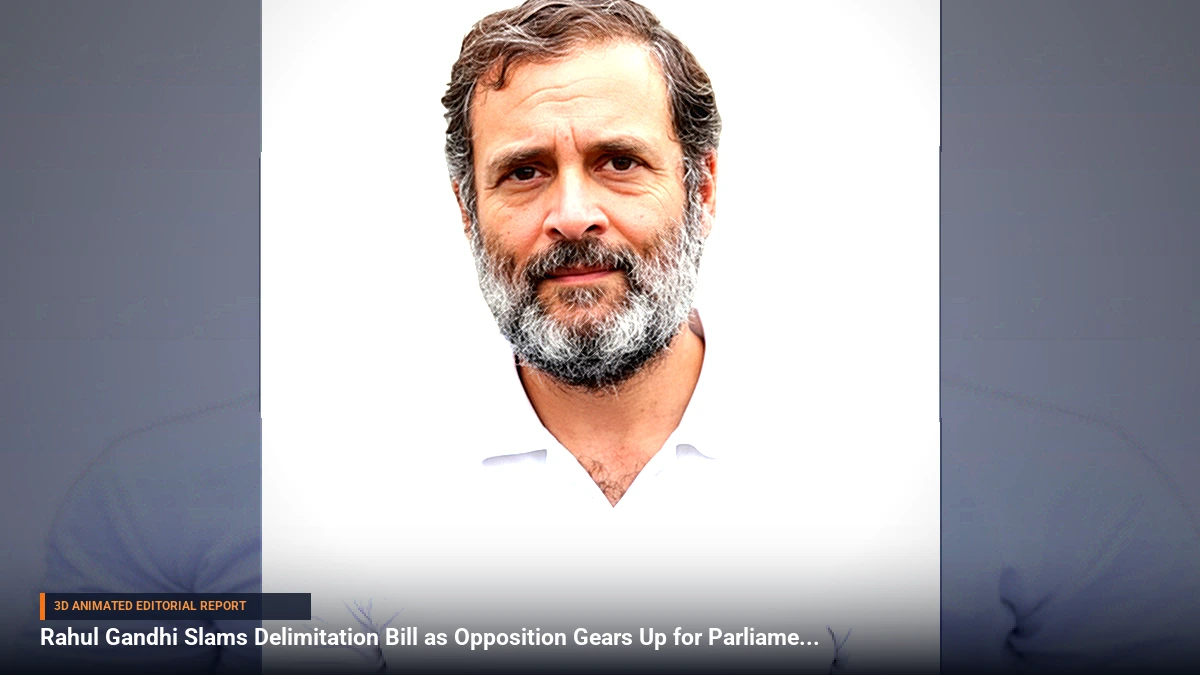
The political landscape in India has been rattled by intense controversy surrounding the Centre's proposed Delimitation Bill. Senior opposition leader Rahul Gandhi launched a blistering attack against the legislative push, specifically condemning the proposed figure of 850 seats as a literal "murder of democracy." Gandhi argued that the mathematical reallocation framework fundamentally undermines federal principles and threatens to dilute the political voice of various regions.
However, the debate has exposed deep cracks within the broader opposition and regional alliances. Breaking ranks with national opposition consensus, the ruling party in Tamil Nadu, the DMK (Dravida Munnetra Kazhagam), announced its unexpected support for the Centre's proposal. The DMK defended its controversial stance by asserting that the negotiated terms successfully safeguard Tamil Nadu's existing parliamentary representation levels for the next 25 years.
In response to these shifting alignments, Gandhi issued a direct appeal to key southern allies of the ruling BJP coalition—including the Telugu Desam Party (TDP) led by N. Chandrababu Naidu and the Janasena Party headed by Pawan Kalyan—urging them to reconsider and withdraw their support for the delimitation framework.
Background & Key Context
Delimitation is the constitutional process of redrawing the boundaries of Lok Sabha and state assembly constituencies based on recent population shifts. Because southern states like Tamil Nadu, Kerala, and Andhra Pradesh have historically demonstrated greater success in population control policies compared to northern counterparts, a strict population-based seat redistribution risks drastically reducing the relative parliamentary weight of the southern region.
While national opposition parties have characterized the move as a majoritarian power-grab designed to permanently marginalize dissenting regions, regional power brokers are often forced to weigh immediate cooperative federalism against long-term local security. The DMK's leadership maintained that its pragmatic approach prevented a worse-case scenario for Tamil Nadu over the quarter-century horizon, though this justification has failed to quell fierce local political storms.
Key Takeaways
- The Core Opposition Stance: Rahul Gandhi labeled the proposed 850-seat threshold a "murder of democracy," asserting that the restructuring heavily disadvantages foundational regional interests.
- DMK's Strategic Defiance: The DMK endorsed the Centre's delimitation proposal, arguing that it successfully protected Tamil Nadu's parliamentary allocation for the next 25 years.
- Appeals to NDA Allies: Gandhi urged key BJP southern partners, including the TDP and Janasena Party, to abandon their backing of the legislative push.
- Severe Regional Backlash: The DMK's alignment faced intense domestic fallout, with emerging regional outfits like TVK fiercely criticizing Tamil Nadu Chief Minister M.K. Stalin, labeling him "Savarkar 2.0" for accommodating central policies.
Impact, Analysis & Global/National Reactions
The strategic schism has fundamentally altered the calculus of opposition unity. Tamil Nadu's political ecosystem is currently experiencing heightened volatility. Following the DMK's announcement, rival regional forces such as TVK launched scathing attacks against Chief Minister M.K. Stalin, comparing his political maneuvers to historical compromises and questioning the party's ideological consistency.
Political analysts note that the delimitation debate touches upon the very core of India's federal compact. While northern states stand to gain substantially from numeric weight, southern states fear structural disenfranchisement. By managing to secure a temporary protective clause, the DMK sought to insulate its local electorate, but the move has alienated national allies who view any compromise on delimitation as an existential threat to cooperative federalism.
What's Next: Looking Ahead
As the debate transitions toward formal legislative introduction, all eyes will remain on the positioning of regional kingmakers like the TDP and Janasena Party. Their official responses to Rahul Gandhi's appeal will dictate whether the government maintains an unshakeable numerical cushion or faces unexpected turbulence from its regional partners.
Stakeholders across civil society, state legislatures, and national political parties are bracing for prolonged legal, constitutional, and political battles over how India ultimately redraws its democratic boundaries for the decades ahead.
Be the first to comment
Start a useful conversation around this story.