
What Happened: The Core Developments
The landscape of Indian democratic representation is facing its most significant structural revision in decades with the introduction of a comprehensive new delimitation bill. At the heart of the legislation is a proposal to raise the national assembly seat ceiling to 650, moving past the rigid historical limit of 500 seats enshrined in the constitution. This adjustment has become urgently necessary due to rapid demographic shifts, most notably in Uttar Pradesh, India's most populous state.
Simultaneously, the legislative framework incorporates a striking geopolitical provision: it outlines explicit mechanisms for the Election Commission to redraw electoral constituencies in Pakistan-occupied Kashmir (PoK) once the region's occupation ends. This combination of domestic demographic necessity and long-term territorial planning has instantly transformed the bill into a focal point of intense legislative and public debate.
Background & Key Context
For decades, India's constituency boundaries and assembly sizes remained frozen to encourage population control measures across states. However, massive population growth—disproportionately concentrated in northern states like Uttar Pradesh—rendered the old constitutional cap of 500 seats untenable. Under the newly proposed 50 percent expansion framework, Uttar Pradesh's current assembly strength of 403 seats is projected to climb to roughly 605. Such exponential growth inherently necessitates a sweeping overhaul of the nation's electoral map.
This administrative undertaking brings key institutional figures, including Chief Election Commissioner Gyanesh Kumar, to the center of a complex logistical and political process. The involvement of top judicial and electoral authorities aims to ensure impartiality, yet the sheer scale of boundary redrawing has ignited profound anxieties regarding political favoritism.
Key Takeaways
- Assembly Seat Cap Raised: The bill sets a new national legislative ceiling of 650 seats, up from the previous constitutional limit of 500.
- Uttar Pradesh Catalyst: Surging population growth in Uttar Pradesh—projecting its assembly seats to rise from 403 to around 605—is the primary driver behind lifting the ceiling.
- PoK Integration Provision: The legislation features explicit legal provisions to redraw and allocate assembly seats in Pakistan-occupied Kashmir upon the termination of occupation.
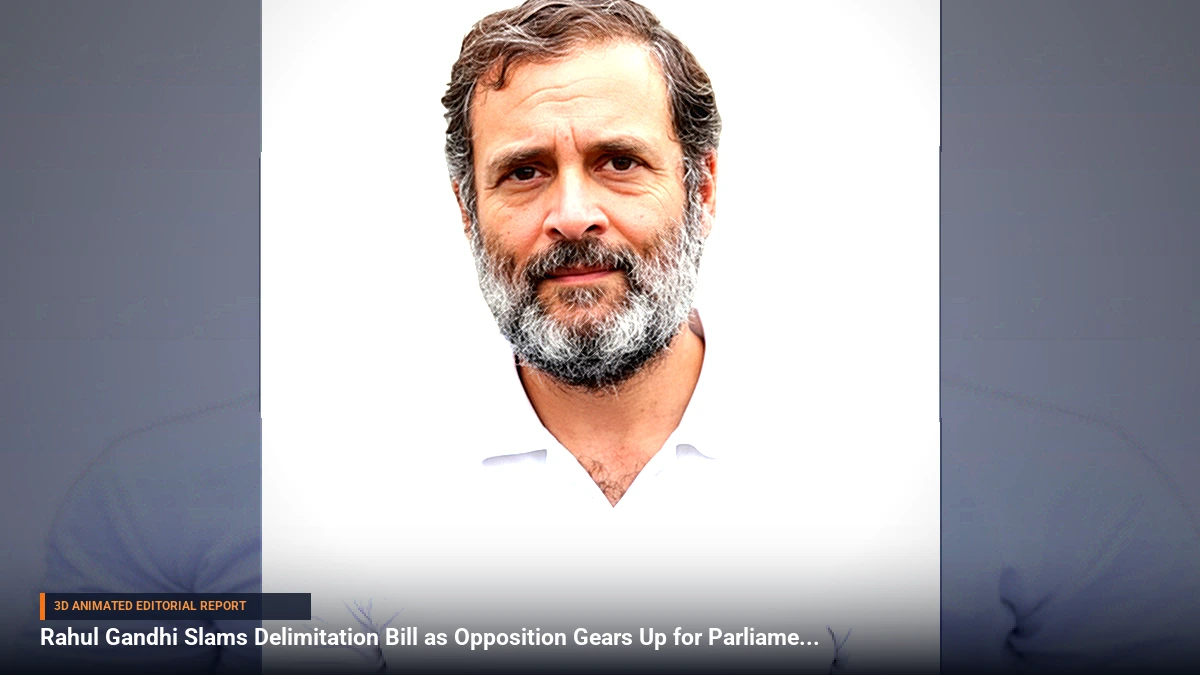
- Political Realignment: The bill has fractured traditional opposition solidarity, drawing unexpected support from regional heavyweights like the DMK while deepening rifts with the Congress party.
- Opposition Apprehensions: The Congress-led opposition has raised serious concerns that the massive boundary restructuring could amount to systematic gerrymandering benefiting the ruling establishment.
Impact, Analysis & Global/National Reactions
The introduction of the delimitation bill has sent shockwaves through India’s political ecosystem, reshaping traditional party alignments. While the Congress-led opposition attempts to mount a unified defense against what it perceives as potential gerrymandering designed to manipulate population divisions, cracks have emerged within the anti-government front. Most notably, the Dravida Munnetra Kazhagam (DMK) has broken ranks with conventional opposition lines, signaling a willingness to back elements of the Centre's bill.
This unexpected stance by the DMK has complicated national opposition strategies and underscored the pragmatic regional calculus at play. Political analysts note that such realignments reflect the delicate tension between southern states—which fear losing relative political leverage due to successful family planning—and northern demographic giants. Institutional responses remain guarded, with administrators emphasizing the constitutional necessity of reflecting contemporary population data accurately.
What's Next: Looking Ahead
As the bill moves through legislative channels, stakeholders are bracing for protracted parliamentary showdowns. Key opposition parties are expected to push amendments or stall proceedings to address fears of regional disenfranchisement and demographic imbalance. Meanwhile, the Election Commission and technical panels will continue laying the groundwork for what promises to be an extraordinarily complex administrative exercise, impacting everything from local state assemblies to broader national policy frameworks in the years to come.


Be the first to comment
Start a useful conversation around this story.