
What Happened: The Core Developments
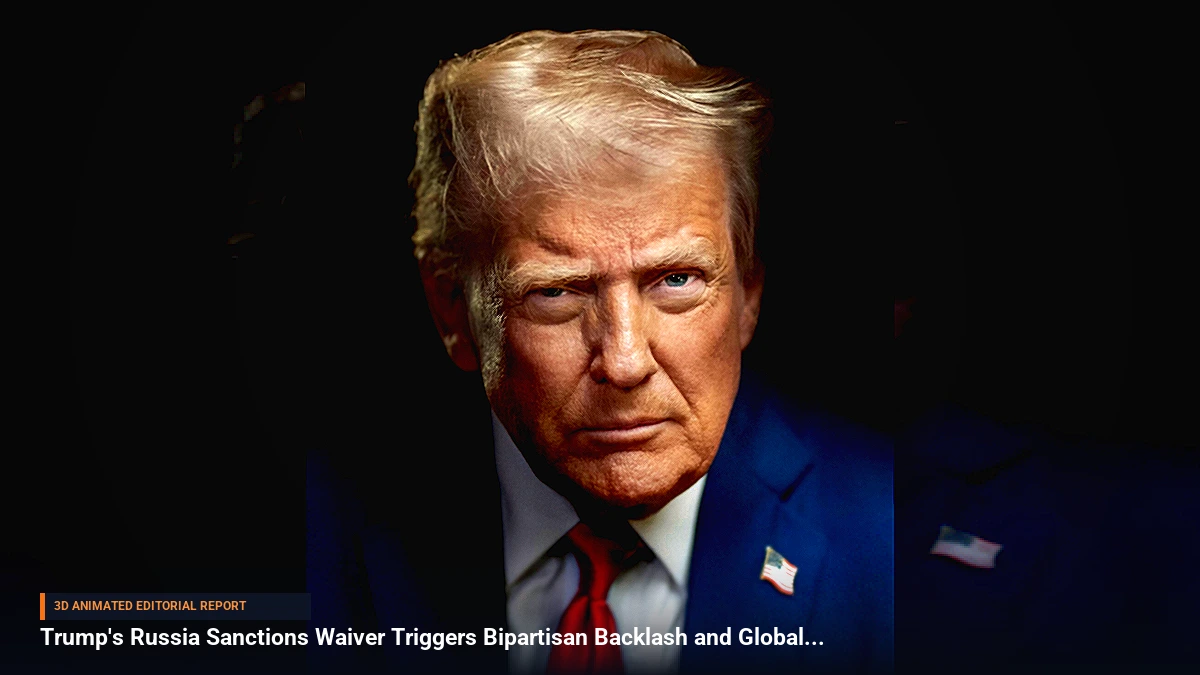
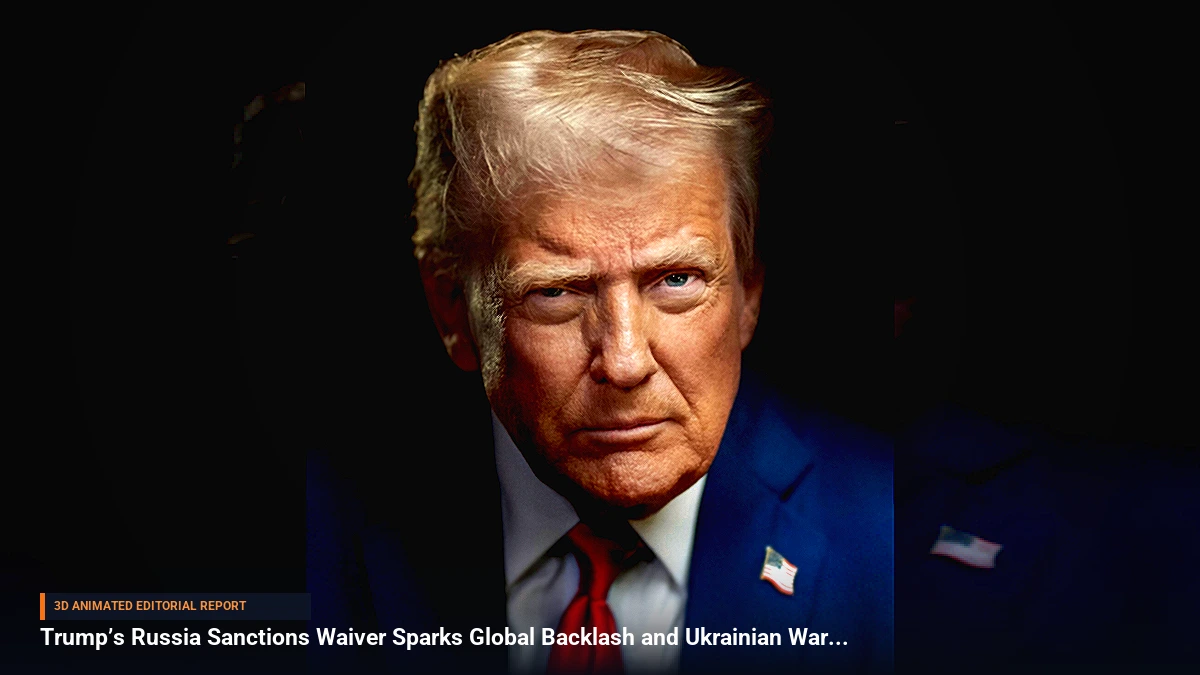
In a move that has sent shockwaves through international diplomatic circles, President Donald Trump has chosen to waive critical Russia-related sanctions and tariffs just before they were set to take effect under a newly enacted legislative framework. The decision effectively halts punitive economic measures designed to squeeze Moscow's financial lifelines, triggering immediate jubilation from Russian officials and profound consternation among Western allies.
The timing of the waiver has intensified global scrutiny. The suspension of economic penalties coincided with a massive wave of Russian missile and drone attacks targeting more than 15 energy sites across Ukraine. In response to the bombardment, Ukrainian President Volodymyr Zelenskyy redoubled his appeals to international partners, aggressively seeking renewed backing for robust U.S. sanctions against Moscow to cripple its war machinery.
However, rather than tightening the economic screws, the U.S. administration's U-turn has provided unexpected relief to major energy importers, such as India, which have grappled with volatile fuel prices and domestic supply constraints. Economic analysts note that the temporary reprieve helps stabilize domestic diesel inventories and cushions global markets against severe supply shocks, albeit at a steep geopolitical cost.
Background & Key Context
The implementation of the new sanctions law was originally framed by lawmakers as a decisive legislative push to force Russia's hand and deter ongoing military escalations in Eastern Europe. For months, Western nations worked in tandem to construct robust tariff barriers and financial embargoes intended to isolate the Kremlin's energy sector.
Despite these efforts, underlying domestic economic pressures—including fluctuating domestic diesel prices, tight fuel stocks, and looming mid-term political considerations—weighed heavily on the administration's strategic calculus. Historically, Washington has walked a delicate tightrope between penalizing adversarial regimes and shielding global energy markets from hyper-inflationary spikes that could destabilize allied economies and domestic voter sentiment.
Key Takeaways
- Sanctions Waived: President Trump suspended crucial Russia-related sanctions and tariffs before they could take effect under a newly established law.
- Moscow's Reaction: A top Russian envoy publicly praised the decision, labeling the block on sanctions as a "historic moment" for bilateral relations.
- Ukrainian Appeals: Following Russian military strikes on over 15 Ukrainian energy facilities, President Zelenskyy urgently pressed for renewed international backing of U.S. sanctions.
- Domestic Condemnation: The administration faces fierce, rare bipartisan backlash from both congressional Republicans and Democrats who argue the move undermines U.S. support for Ukraine.
- Economic Relief: The sudden policy pivot offers immediate financial and supply-chain relief to major emerging economies like India, which depend heavily on stable crude imports.
Impact, Analysis & Global/National Reactions
The geopolitical fallout has laid bare a sharp divide between strategic economic pragmatism and long-term security commitments. On Capitol Hill, lawmakers from both sides of the political aisle have united in vehement opposition to the waiver. Critics argue that suspending these measures severely undermines America's credibility as a steadfast defender of Ukraine's sovereignty and sends the wrong signal to authoritarian regimes.
"This decision undercuts our collective security framework and abandons our democratic allies precisely when they are enduring devastating assaults on their civilian infrastructure," noted policy analysts tracking the congressional response. Conversely, proponents of the administration's pivot emphasize the immediate necessity of protecting domestic consumers from runaway inflation and energy scarcity, arguing that heavy-handed sanctions often backfire on Western economies.
International reactions mirror this polarized sentiment. While Russian diplomats celebrated the policy reversal as a major diplomatic opening, Ukrainian leadership and European partners are urgently reassessing their long-term deterrence strategies in light of shifting U.S. enforcement priorities.
What's Next: Looking Ahead
As the dust settles on the administration's executive waiver, all eyes turn to Capitol Hill, where bipartisan coalitions are weighing potential legislative countermeasures to compel the enforcement of the stalled sanctions. Congressional hearings are expected in the coming weeks to challenge executive overreach and demand transparency regarding the strategic rationale behind the suspension.
At the same time, global energy markets will closely monitor whether this reprieve is merely a temporary tactical pause or a permanent shift in U.S. foreign economic policy. With Ukraine continuing to fortify its battered power grid and pressing for renewed diplomatic isolation of Moscow, the friction between domestic economic imperatives and international security obligations will remain a defining challenge for the remainder of the political term.


Be the first to comment
Start a useful conversation around this story.