
What Happened: The Core Developments
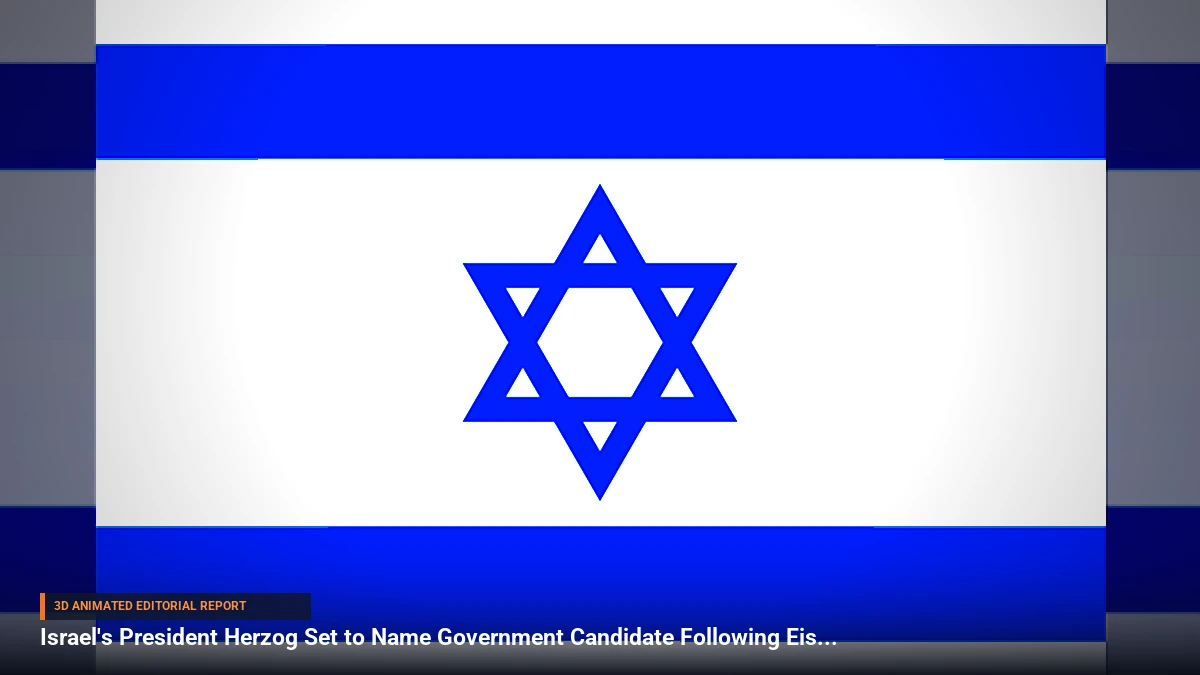
Israeli President Isaac Herzog is scheduled to officially name a candidate to form the country's next government on Sunday, following a pivotal round of consultations with parliamentary factions. The upcoming announcement comes in the wake of a historic legislative shift, where a clear majority of Israeli lawmakers threw their support behind Gadi Eisenkot over long-serving incumbent Benjamin Netanyahu.
The parliamentary endorsement tally recorded a distinct advantage for Eisenkot, securing 67 endorsements compared to Netanyahu's 46. This numerical superiority has reshaped the immediate political landscape, compelling the presidency to navigate a fractured legislature and respond directly to the shifting alignments among political parties, including crucial backing from Arab factions.
Background & Key Context
The road to Sunday's presidential designation has been marked by intense political maneuvering and voter realignment. Recent electoral cycles have consistently demonstrated the fragility of traditional coalition-building in the Knesset, forcing parties to look beyond conventional political boundaries. The emergence of Arab parties backing a candidate like Eisenkot represents a notable deviation from historical patterns, reflecting deep dissatisfaction with Netanyahu's prior political calculations and governance strategy.
President Herzog's timeline for announcing the designee followed extensive consultations with all elected factions. While custom often points to rapid government formation, the intricate nature of modern Israeli coalition politics frequently stretches institutional timelines, demanding careful diplomacy to secure a stable governing majority.
Key Takeaways
- Presidential Decision: President Isaac Herzog will officially name the government-forming candidate on Sunday.
- Legislative Majority: Gadi Eisenkot secured 67 lawmaker endorsements, outpacing incumbent Benjamin Netanyahu who gathered 46.
- Shifting Alliances: The inclusion of Arab party support played a critical role in tilting the parliamentary balance away from Netanyahu.
- Formidable Hurdles: Despite the parliamentary backing, assembling a stable, functioning governing coalition remains a complex and demanding task.
Impact, Analysis & Global/National Reactions
The endorsement of Eisenkot by a majority of lawmakers has sent ripples through regional and domestic political circles. Analysts note that while securing the presidential mandate is an essential first step, the real test lies in the ensuing horse-trading required to bridge ideological divides among coalition partners.
Political commentators have highlighted that the involvement of Arab factions in tipping the scale against Netanyahu underscores a dynamic shift in voter sentiment and legislative strategy. Stakeholders across the political spectrum are watching closely to see how the designated leader will reconcile competing demands regarding security, domestic policy, and governance.
What's Next: Looking Ahead
Once President Herzog formally hands down the mandate on Sunday, the designated candidate will face a strict constitutional window—typically 28 days, with a possible 14-day extension—to successfully forge a governing coalition and win a vote of confidence in the Knesset.
Failure to cobble together a majority within the stipulated timeframe would return the mandate to the president or spark further parliamentary crises. Markets and international observers will monitor the unfolding coalition negotiations to gauge the policy direction and stability of the incoming administration.



Be the first to comment
Start a useful conversation around this story.