
What Happened: The Core Developments
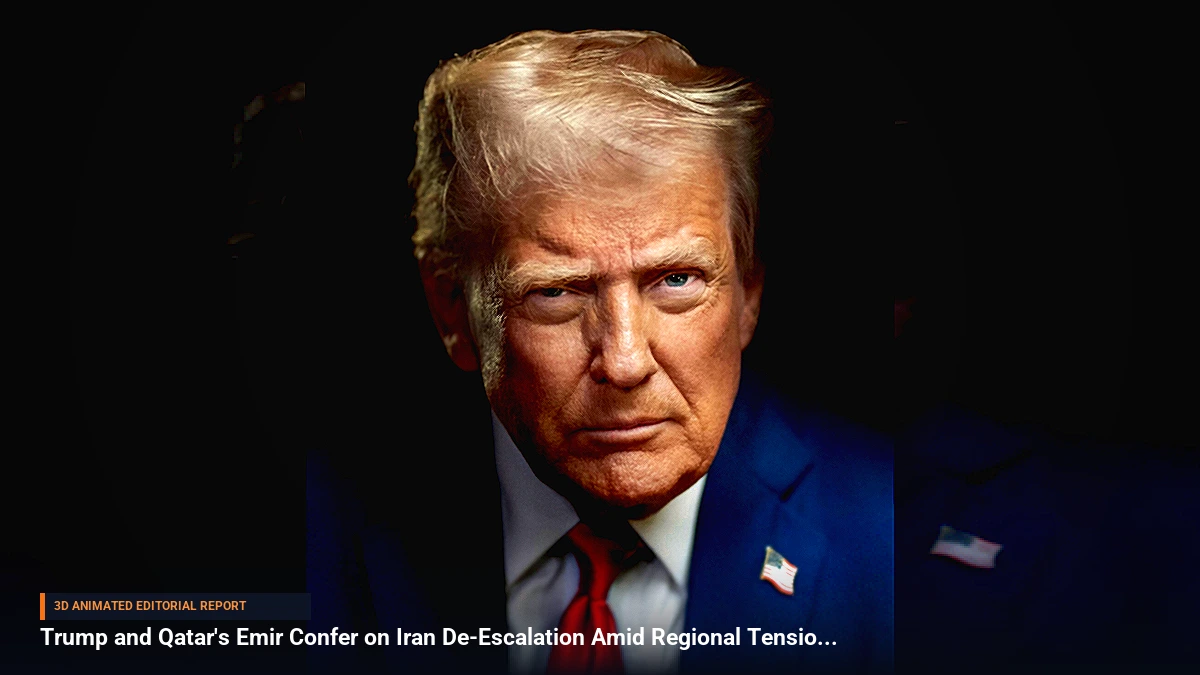
Diplomatic channels across the Middle East have swung into overdrive following a high-level telephone conversation between US President Donald Trump and the Emir of Qatar. The discussion specifically focused on evaluating regional mediation frameworks and identifying viable de-escalation pathways concerning the escalating standoff with Iran.
This high-level dialogue runs parallel to breaking reports that Tehran has transmitted a structured nuclear proposal featuring seven distinct terms to the United States, utilizing Doha as a neutral intermediary. However, the diplomatic push is unfolding against a volatile backdrop: maritime security in the Persian Gulf has faced renewed strain following reports confirming that three commercial tankers were struck in the critical Strait of Hormuz.
Background & Key Context
Qatar has long occupied a unique and influential position as a primary diplomatic conduit between Washington and adversaries that lack formal bilateral ties with the United States, such as Iran. The latest diplomatic overtures follow stern rhetoric and military posturing, with the White House previously issuing severe warnings regarding Iran's nuclear ambitions and regional proxy activities.
At the same time, regional neighbors are actively working to prevent a wider conflagration. Iraqi officials, including prominent figures like al-Zaidi, have initiated direct diplomatic engagements with Washington. Baghdad's primary objective is to maintain strict neutrality and prevent Iraqi territory or aligned armed groups from becoming embroiled in any prospective military escalation between the US and Iran.
Key Takeaways
- High-Level Mediation: Donald Trump and the Emir of Qatar held critical phone consultations centered entirely on diffusing tensions and exploring pathways to peace with Iran.
- Iranian Nuclear Proposal: Tehran has officially relayed a seven-point nuclear proposal to Washington through Qatari diplomatic channels.
- Maritime Chokepoint Threats: Reports of three tankers being struck in the Strait of Hormuz underscore the immediate physical and economic risks to global energy transit corridors.
- Iraqi Neutrality Efforts: Baghdad is actively engaging with US leadership to insulate Iraq from potential military blowback or involvement in a wider regional war.
- Fragile Communication Lines: Despite ongoing back-channel talks via mediators, substantive gaps remain regarding compliance terms and verification standards for a lasting agreement.
Impact, Analysis & Global/National Reactions
The ripple effects of the current geopolitical standoff are immediately felt across global energy markets and regional capitals. Analysts note that while Qatar's dual-track diplomatic efforts provide a vital lifeline for avoiding catastrophic conflict, the margin for error grows thinner with every security incident in vital waterways like the Strait of Hormuz.
Senior Iranian officials have maintained that the ball is firmly in America's court to demonstrate a genuine willingness to avoid conflict, criticizing initial US responses as unconvincing. Meanwhile, regional actors like Iraq are stepping up domestic security messaging, urging local armed factions to exercise restraint and avoid participating in retaliatory maneuvers that could invite devastating counter-strikes.
What's Next: Looking Ahead
All eyes remain fixed on Doha as Qatari mediators evaluate Washington's response to Tehran's seven-term nuclear proposal. International observers will be closely monitoring whether these back-channel communications can successfully translate into formal negotiation rounds, or if escalating security friction in the Persian Gulf will derail diplomatic progress before a framework can be solidified.


Be the first to comment
Start a useful conversation around this story.