
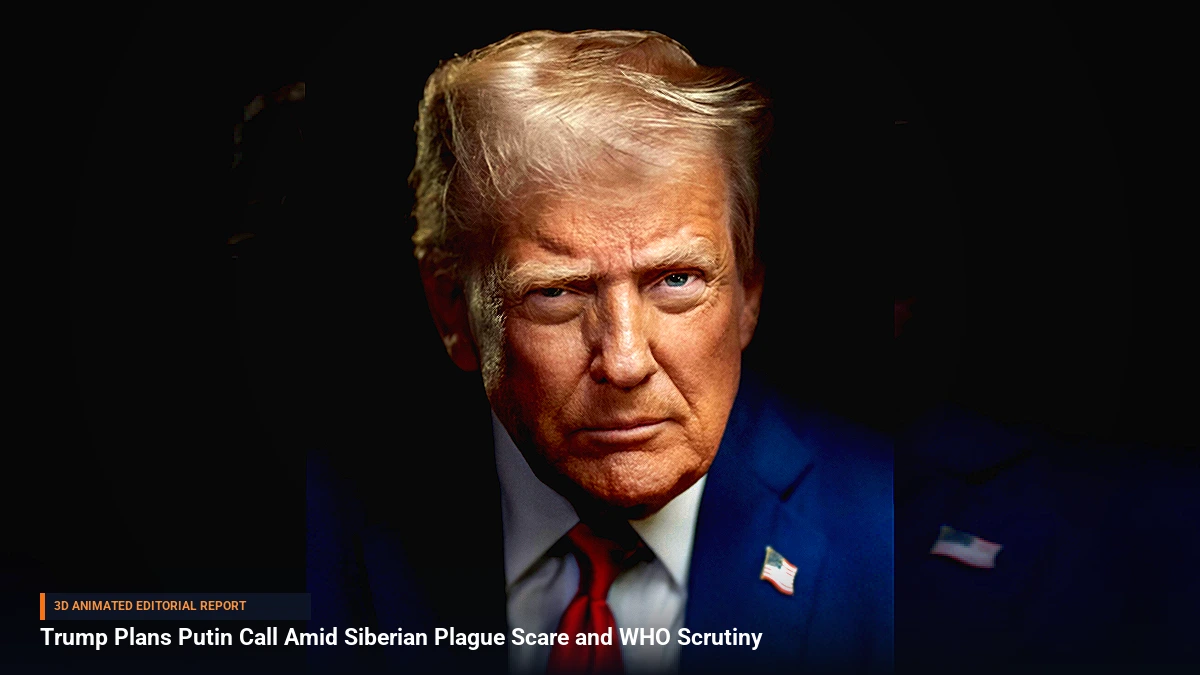
What Happened: The Core Developments
A localized biosecurity scare in Russia's vast Siberia region has escalated into an international diplomatic talking point. Dozens of individuals have been placed under strict quarantine following a suspected outbreak of pneumonic plague linked to the death of a high-containment research facility worker. The incident has triggered immediate cross-border attention, drawing scrutiny from global health authorities and international political figures alike.
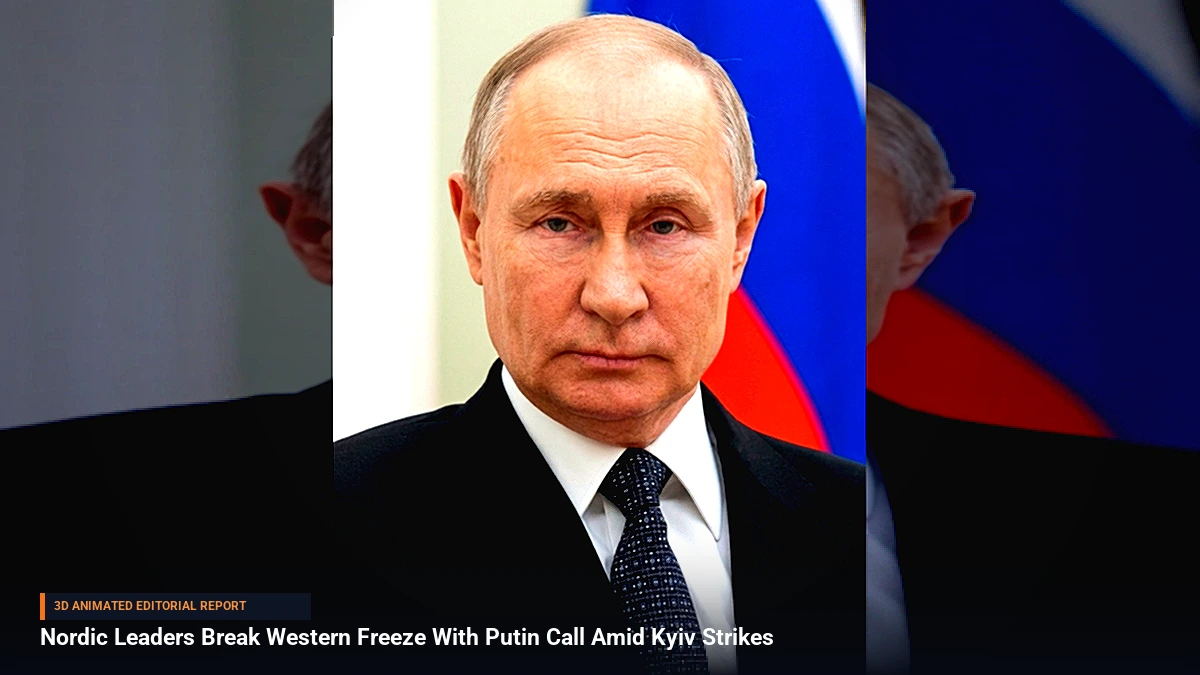
Amid mounting concerns over containment protocols, high-profile political intervention has entered the equation. Former U.S. President Donald Trump publicly confirmed that he has a telephone call scheduled with Russian President Vladimir Putin. The primary item on the agenda for this diplomatic exchange is to discuss the circumstances surrounding the fatal lab incident and the potential implications of a pneumonic plague case originating inside a specialized research facility.
Background & Key Context
Pneumonic plague is the most severe and virulent form of plague, caused by the bacterium Yersinia pestis. Unlike the bubonic variant, it can spread directly from person to person through respiratory droplets, making it a pathogen of significant historical and contemporary biosecurity concern. Facilities that handle such high-consequence pathogens are generally subjected to rigorous international safety standards and domestic oversight.
However, information regarding the specific Siberian institute and the exact sequence of events leading to the worker's death has remained tightly controlled by local authorities. Russian officials have publicly moved to calm public anxieties, issuing formal statements assuring that the death of the plague institute worker poses no risk of triggering a wider domestic or regional epidemic. Despite these assurances, the sudden implementation of quarantines for dozens of exposed contacts has signaled a high level of localized urgency.
Meanwhile, the World Health Organization (WHO) has expressed reservations regarding the transparency of the situation. Global health officials noted that the organization does not yet know the exact clinical cause of death for the lab worker. Furthermore, the WHO is actively pressing Moscow for verified details regarding a reported second illness connected to the incident, raising questions about internal oversight and occupational exposure risks.
Key Takeaways
- High-Level Diplomatic Engagement: Donald Trump announced a scheduled call with Vladimir Putin specifically to address the pneumonic plague lab incident.
- Quarantines Implemented: Dozens of individuals in Russia’s Siberia region have been placed under quarantine following suspected exposures.
- Official Reassurances: Russian authorities maintain that the researcher's death presents zero risk of cascading into a broader public epidemic.
- WHO Information Gaps: The World Health Organization has stated it lacks precise details on the worker's cause of death.
- Secondary Case Inquiries: International health monitors are urgently seeking clarification concerning a reported second illness linked to the facility.
Impact, Analysis & Global/National Reactions
The intersection of high-containment laboratory safety and international geopolitics has once again captured global attention. The incident underscores the persistent biological risks associated with facilities handling ancient and lethal pathogens. While domestic authorities in Russia have attempted to frame the event as an isolated occurrence with negligible epidemiological threat, the lack of granular data has fueled skepticism abroad.
Global health security analysts point out that transparency is the cornerstone of preventing international health panics. The WHO’s proactive stance in demanding verified medical data highlights the ongoing friction between national security controls on biological facilities and the global mandate for public health transparency. By elevating the matter to a direct leadership discussion between Washington and Moscow, the incident transcends a routine occupational accident, morphing into a test of diplomatic communication during biological crises.
What's Next: Looking Ahead
As the scheduled dialogue between Donald Trump and Vladimir Putin approaches, observers will be watching to see if the conversation yields greater technical transparency from Moscow. International public health agencies will continue pressing for direct access to epidemiological data, particularly concerning the medical status of the reported second illness and the genetic sequencing of the strain involved.
Domestically, Russian health and safety regulators face mounting pressure to conclude their internal investigations into the containment breach at the Siberian facility. Whether these findings will be shared transparently with the global scientific community remains a critical question for maintaining international biosecurity trust in the months ahead.

Be the first to comment
Start a useful conversation around this story.