
What Happened: The Core Developments
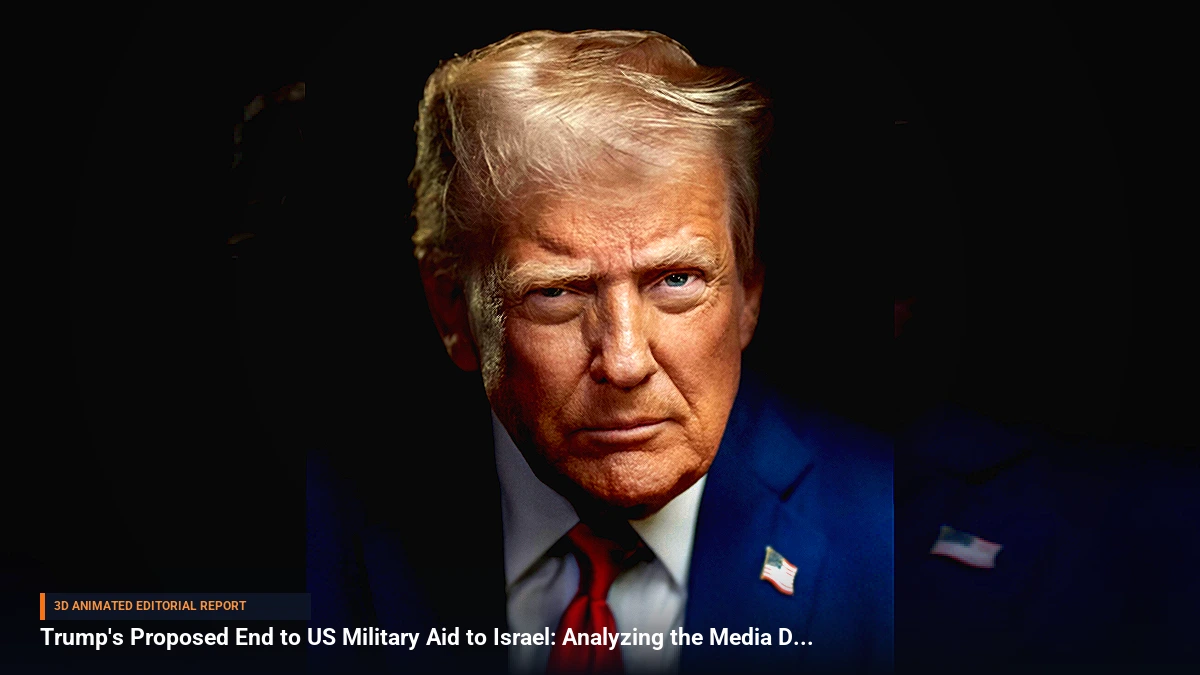
In a development that has sent ripples through international relations and domestic political circles alike, Donald Trump has stated an intention to end annual United States military aid to Israel. The announcement, which surfaced during the election cycle, immediately drew global attention and widespread media coverage.
However, the exact parameters of the proposed policy shift remain subject to significant debate among major news organizations. While some prominent outlets have reported that the cessation of aid is targeted for the end of 2026, others have suggested a much more aggressive timeline, claiming the reduction could take effect by the conclusion of the current year. Compounding these timeline discrepancies are varying reports regarding the baseline figures, with estimates of the annual security package fluctuating between $3.8 billion and $4 billion.
Background & Key Context
For decades, the United States has maintained a robust foreign military financing framework designed to support Israel's strategic defense capabilities in a volatile region. This longstanding partnership has traditionally enjoyed strong bipartisan backing in Washington, anchored by multi-year memorandum of understanding agreements that codify military grants and defense cooperation.
Foreign policy experts note that any unilateral move to phase out or abruptly terminate billions in annual security assistance would represent a historic pivot in American foreign policy. The debate over this proposed policy shift arrives at a delicate juncture in Middle Eastern geopolitics, where defense stakeholders closely monitor shifts in US political sentiment and legislative priorities.
Key Takeaways
- Policy Announcement: Donald Trump has declared an intent to terminate annual US military aid to Israel.
- Monetized Estimates: Media reports place the targeted annual aid figures between $3.8 billion and $4 billion.
- Timeline Discrepancies: Major international outlets diverge on whether the policy would take effect by the end of the current year or following the close of 2026.
- Historical Significance: The proposal marks a dramatic departure from decades of established bipartisan foreign military financing traditions.
Impact, Analysis & Global/National Reactions
The divergence in reporting highlights the complexities and ambiguities surrounding impromptu policy proposals delivered during high-stakes political campaigns. Financial analysts and defense experts emphasize that altering a fixture of US-Israel relations of this magnitude would require complex legislative maneuvers, as foreign assistance budgets are fundamentally governed by congressional appropriations.
While direct, official responses from Israeli government leadership on these specific figures and timelines are still developing, international observers are carefully weighing the potential strategic fallout. A reduction or complete withdrawal of nearly $4 billion in annual defense backing would force a major reassessment of military procurement and long-term defense planning within Israel.
What's Next: Looking Ahead
As the political landscape continues to evolve, attention turns toward how legislative bodies and foreign policy architects will address these declarations. Observers will be closely watching for primary transcript clarifications, official policy papers, and congressional responses to determine whether a legislative framework could ever materialize to support such a historic realignment of foreign aid.


Be the first to comment
Start a useful conversation around this story.