
What Happened: The Core Developments
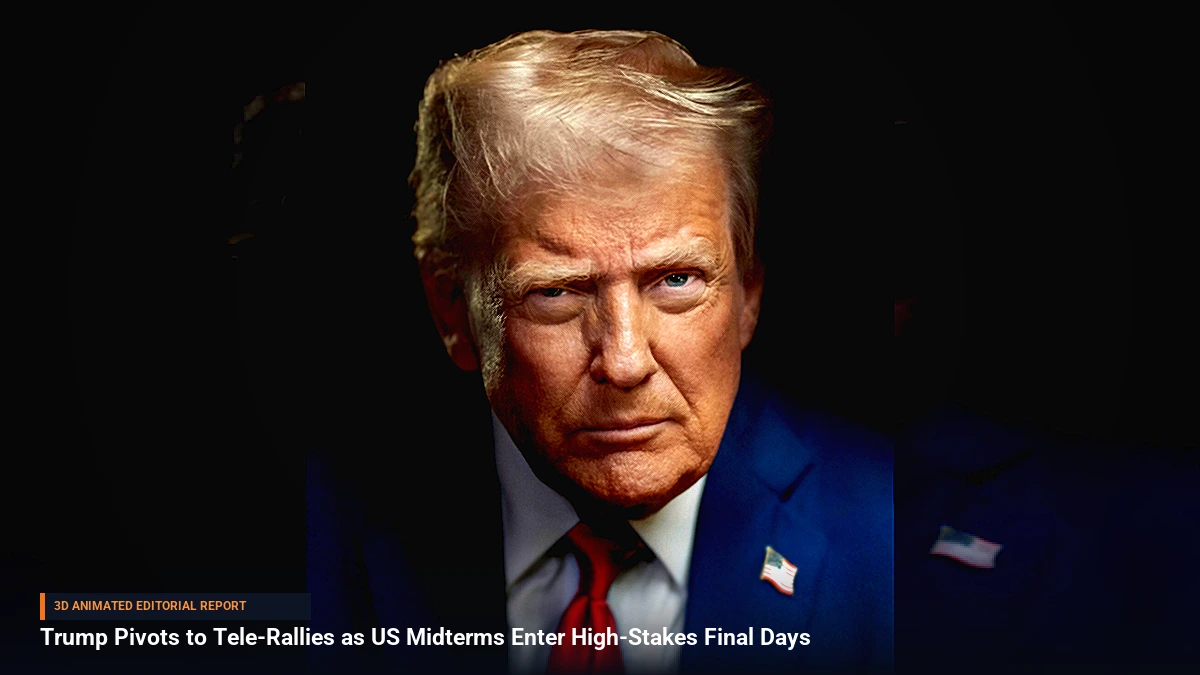
As the clock winds down toward the United States midterm elections, political campaigns are making their final strategic adjustments. In a notable shift, Donald Trump opted to cancel planned physical rallies in Iowa and Kansas, choosing instead to pivot toward a remote engagement strategy. Rather than appearing in person at these final red-state events, the former president transitioned to utilizing phone-in campaigns and large-scale "tele-rallies" orchestrated by the Republican National Committee.
This remote push is designed to project influence across nearly 20 states simultaneously during the crucial final weekend before voting concludes. At the same time, opposing figures such as former President Barack Obama and prominent administration surrogates have maintained an aggressive schedule of in-person appearances, touching down in key swing states to rally Democratic bases and mobilize undecided voters.
Background & Key Context
The final stretch of any midterm election cycle typically witnesses a flurry of physical appearances designed to maximize media exposure and drive last-minute turnout. However, strategic pivots are common as campaigns balance logistical constraints, resource allocation, and internal polling data.
Simultaneously, local electoral contests are seeing intense tactical maneuvering. In Alaska, fresh scrutiny emerged regarding campaign tactics in the state's Senate race, where reporting indicated that Mary Peltola’s campaign allegedly sought out individuals sharing opponent Dan Sullivan's name to potentially peel votes—a claim previously denied by the campaign but brought to light through newly uncovered text messages and legal filings.
Key Takeaways
- Strategic Shift: Donald Trump canceled physical rallies in Iowa and Kansas in the final days of the midterm cycle.
- Remote Outreach: The campaign replaced in-person speeches with tele-rallies and phone-in broadcasts spanning nearly 20 states.
- Dueling Strategies: While Republican leadership leaned into a broad remote broadcast strategy, prominent Democrats like Barack Obama maintained intensive in-person swings through battleground regions.
- Local Controversies: Down-ballot races, such as the high-stakes Senate contest in Alaska, faced last-minute scrutiny over campaign tactics and voter alignment.
Impact, Analysis & Global/National Reactions
The decision by the Trump campaign to scale back physical appearances in traditional strongholds like Iowa and Kansas has sparked discussions among political analysts regarding resource optimization. While tele-rallies allow a candidate to touch a broader geographic footprint with minimal travel fatigue, critics and opponents argue that in-person energy remains unmatched for driving local enthusiasm.
Political scientists note that final-week adjustments often reflect tightening margins or a calculated effort to maximize message saturation across multiple media markets simultaneously. As national polls show a tightly contested landscape, every hour of candidate time is weighed heavily against potential electoral returns.
What's Next: Looking Ahead
With only days remaining before polls close nationally, attention turns squarely to voter turnout operations, early voting tallies, and the final weekend get-out-the-vote (GOTV) pushes. The effectiveness of the RNC's multi-state telephone campaign versus traditional ground games will soon be tested at the ballot box, setting the stage for what promises to be a highly consequential congressional shift.


Be the first to comment
Start a useful conversation around this story.