
What Happened: The Core Developments
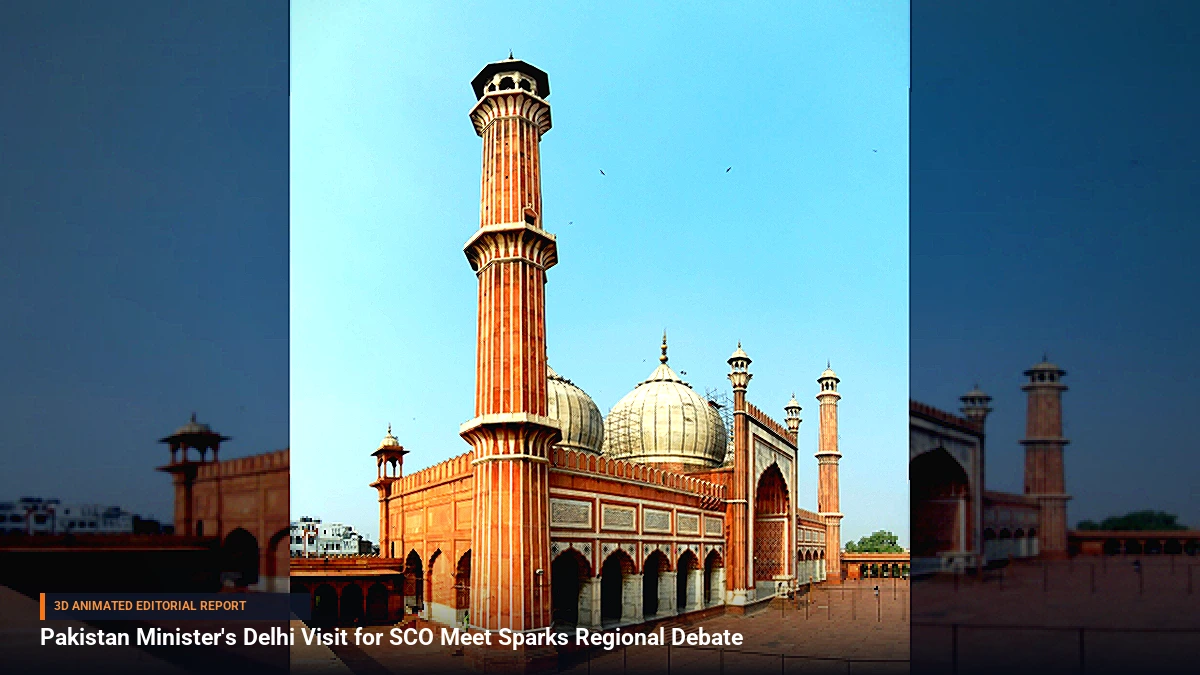
In a rare and closely watched diplomatic exchange, Pakistan's Climate Minister traveled to New Delhi to participate in the prestigious SCO Civilisations Dialogue Forum. This high-profile event brought together regional leaders and delegates under the banner of the Shanghai Cooperation Organisation.
However, the visit quickly became a focal point of widespread media attention and online discourse. Social media platforms and political commentators circulated various narratives regarding the reception of the Pakistani delegation in the Indian capital. Fact-checkers and official updates later countered several claims—such as assertions regarding the nature of official welcomes—clarifying the actual protocols observed during the ministerial arrival.
Background & Key Context
Multilateral engagements through platforms like the SCO are designed to foster regional cooperation on critical transnational issues, including climate change, cultural exchange, and economic dialogue. Yet, bilateral sensitivities between India and Pakistan routinely turn multilateral gatherings into delicate diplomatic tightropes.
Simultaneously, the diplomatic visit unfolds against a backdrop of severe internal political and administrative friction within Pakistan. Analysts and regional experts have closely monitored intense public debates concerning proposals for new administrative divisions and provincial restructuring. Discussions touching upon potential governance overhauls and administrative splits have ignited fierce domestic opposition, raising questions about political stability and federal cohesion.
Key Takeaways
- High-Level Attendance: Pakistan's Climate Minister made a rare ministerial trip to New Delhi for the SCO Civilisations Dialogue Forum.
- Public and Political Backlash: The visit stirred controversy domestically in India, with critics questioning the optics of high-level engagement amid ongoing security concerns.
- Misinformation and Fact-Checking: Social media claims regarding special receptions or denied itineraries generated considerable debate, requiring rigorous fact-checking.
- Internal Domestic Turmoil: The visit coincided with intense domestic discussions in Pakistan over proposed administrative restructuring and provincial creation.
- Multilateral Frameworks: The event underscores the complex role of international forums like the SCO in navigating deeply troubled bilateral relationships.
Impact, Analysis & Global/National Reactions
The presence of a Pakistani cabinet member in the Indian capital naturally invited sharp scrutiny from political stakeholders on both sides of the border. Critics in India argued that hosting high-ranking Pakistani officials during periods of heightened tension risks undermining domestic sentiment, with some commentators describing the diplomatic optics as insensitive to victims of cross-border incidents.
Conversely, proponents of multilateral engagement maintain that participating in regional architecture like the SCO is essential for maintaining diplomatic channels and addressing shared ecological and economic crises. International observers emphasize that while bilateral peace talks remain frozen, functional cooperation on multilateral platforms provides a crucial outlet for regional diplomacy.
What's Next: Looking Ahead
As the dust settles on the SCO Civilisations Dialogue Forum, attention will likely shift back to how both nations handle future regional summits and multilateral obligations. Observers will monitor whether this rare ministerial visit acts as an isolated protocol-driven event or hints at a measured, cautious approach to future regional dialogues.
Simultaneously, internal developments within Pakistan—particularly legislative and administrative debates surrounding potential provincial restructuring—will remain a critical variable influencing the country's domestic political stability and external posture.
Be the first to comment
Start a useful conversation around this story.