
What Happened: The Core Developments
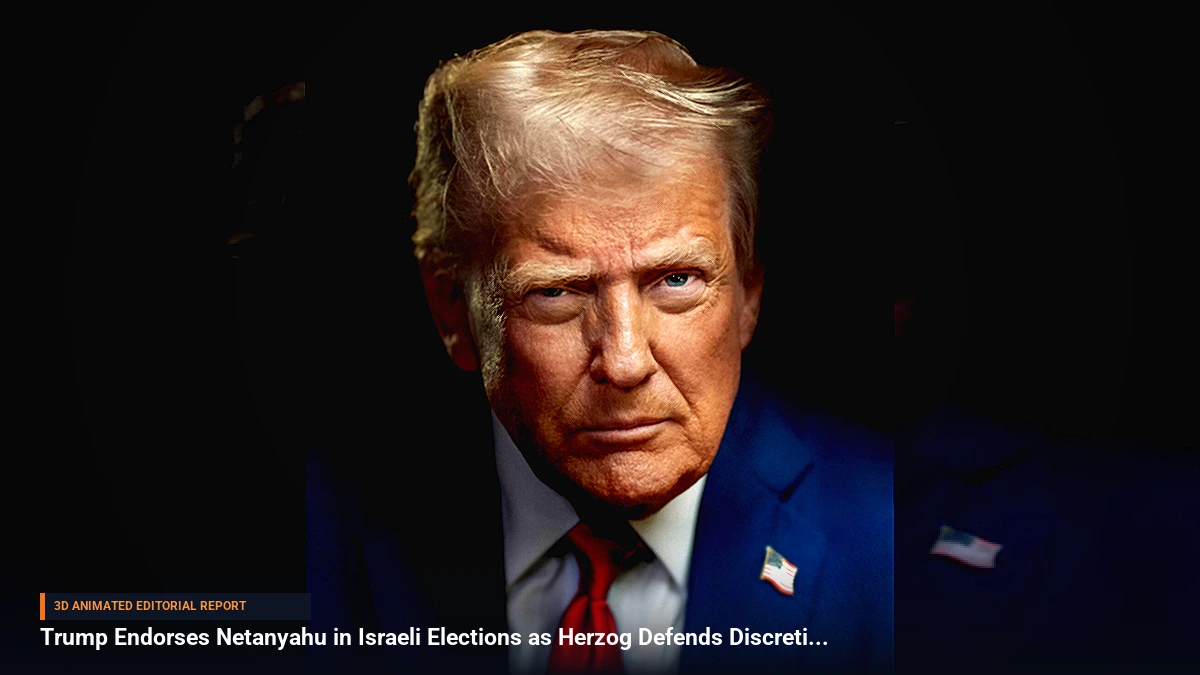
On the eve of Israel's high-stakes parliamentary elections, political friction has intensified following a direct intervention by former United States President Donald Trump. Amplifying his support for incumbent Prime Minister Benjamin Netanyahu, Trump explicitly called on the Israeli electorate to back "Bibi," asserting that the country needs strong leadership to conclude ongoing military campaigns.
Responding swiftly to the endorsement, Netanyahu prominently highlighted Trump's backing during final campaign rallies. The Prime Minister utilized the international support to bolster his security credentials, even signaling the potential for a renewed hardline stance and conflict posture regarding Iran. However, the prominent display of foreign political alignment drew an immediate institutional boundary from Israel's head of state.
Israeli President Isaac Herzog publicly addressed the foreign endorsement, making it clear that external political backing holds no sway over the constitutional process of government formation. Emphasizing the independence of Israel's democratic institutions, Herzog asserted that no outside entity or figure can intervene in his absolute discretion when determining which political leader is tasked with assembling the next governing coalition.
Background & Key Context
The intersection of American political influence and Israeli domestic politics has long been a sensitive dynamic, yet direct electoral endorsements from former U.S. leaders amplify existing polarizing narratives. Netanyahu, who has historically cultivated a close alliance with Washington's conservative establishment, faces a deeply divided domestic electorate and a fiercely competitive political landscape.
Recent election cycles in Israel have been defined by razor-thin margins, persistent coalition fragmentation, and intense debates over national security, judicial reform, and regional stability—particularly concerning Iran's nuclear ambitions and regional proxies. Against this backdrop, Netanyahu’s strategy has relied heavily on projecting strong diplomatic alliances with global leaders to reassure voters of his unparalleled foreign policy acumen.
Key Takeaways
- Direct Endorsement: Donald Trump threw his weight behind Benjamin Netanyahu, urging Israeli citizens to vote for him to "finish the job."
- Strategic Posturing: Netanyahu heavily leveraged Trump's support in final campaign messaging, hinting at a potential resumption of a firm posture against Iran.
- Presidential Pushback: Israeli President Isaac Herzog pushed back against foreign interference, stressing that outside endorsements will not influence his coalition-building decisions.
- Constitutional Autonomy: Herzog underscored that the selection of the coalition leader rests entirely within his independent constitutional discretion.
- High-Stakes Voting: The electoral showdown unfolds amid intense domestic polarization and critical regional security challenges.
Impact, Analysis & Global/National Reactions
Analysts note that while international endorsements can energize a candidate’s core base, they also risk alienating moderate voters sensitive to national sovereignty. By tying his campaign messaging tightly to Trump's rhetoric, Netanyahu aimed to solidify the nationalist vote, signaling that his administration represents the strongest bulwark against regional adversaries.
Conversely, President Herzog’s swift intervention served as a vital institutional check, reinforcing the separation of powers and reassuring the public that Israel's democratic mechanisms remain insulated from foreign political pressures. Legal and political observers have praised Herzog's statement as a necessary defense of national sovereignty during a volatile election cycle.
What's Next: Looking Ahead
As the ballots are cast and preliminary results emerge, attention will immediately shift from the campaign trail to the President's Residence in Jerusalem. President Herzog will hold consultations with faction leaders elected to the Knesset to gauge recommendations for the premiership.
Given the historically fractured nature of the Israeli parliament, the process of forging a stable governing coalition is expected to be fraught with intense political negotiations. Whether Netanyahu can translate external conservative backing into a sustainable domestic majority will depend entirely on post-election coalition math and the willingness of smaller factions to compromise on key policy platforms.



Be the first to comment
Start a useful conversation around this story.