
What Happened: The Core Developments
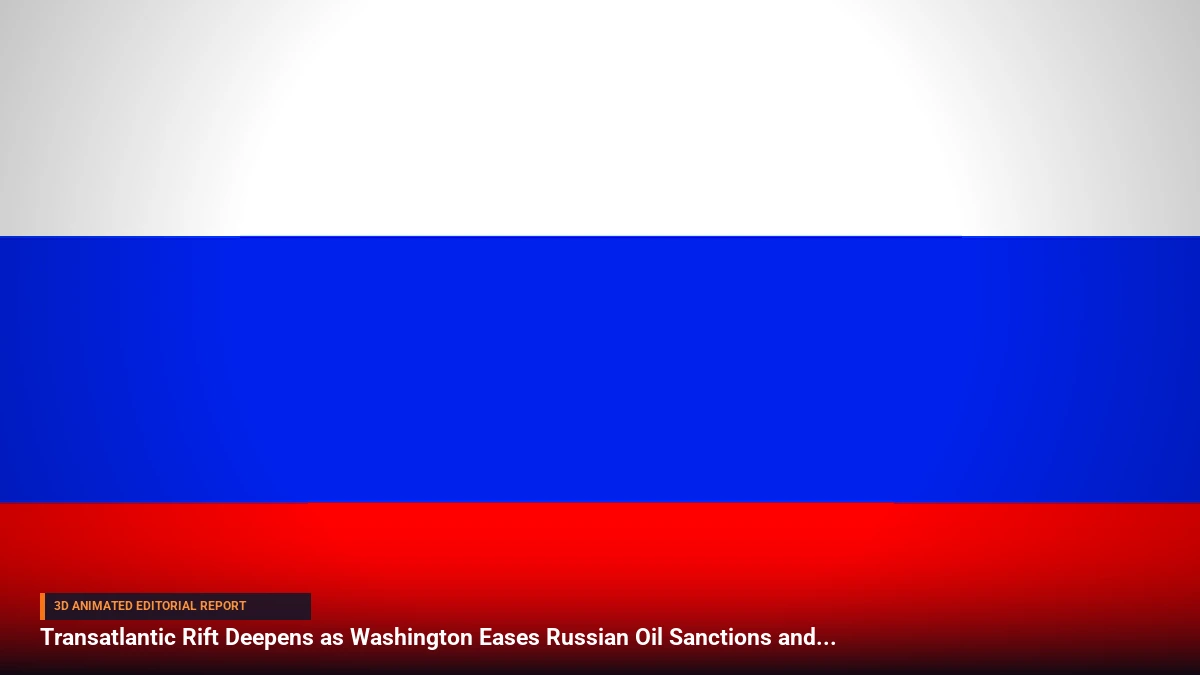
The geopolitical landscape surrounding the conflict in Eastern Europe has shifted dramatically following Washington's decision to ease and pause critical Russia-related oil sanctions and tariffs before they could take full effect under a newly enacted legislative framework.
While the White House moves toward a policy of tactical decoupling and transactional resets with the Kremlin, the fallout has been immediate. Ukrainian President Volodymyr Zelenskyy strongly denounced the US sanctions pause, characterizing it directly as a "reward" for Russian President Vladimir Putin. Zelenskyy warned that the policy shift would embolden Moscow, potentially accelerating military offensives.
This diplomatic fissure coincided with a severe escalation on the ground. Russian forces launched intense, coordinated missile and drone strikes targeting Ukraine’s core energy infrastructure. Energy grids and power plants were heavily battered in what international observers describe as a calculated strategy by Moscow to cripple civilian heating and electricity networks ahead of the freezing winter months.
Meanwhile, global energy markets are already adjusting to the new regulatory reality. Key importers of Russian crude, such as India, are anticipated to maintain their current purchasing volumes, keeping imports steady in the wake of the US sanctions waiver.
Background & Key Context
The transatlantic alliance has largely maintained a united front of economic isolation against Moscow since the 2022 invasion. However, differing political visions in Washington have continually challenged this multilateral alignment.
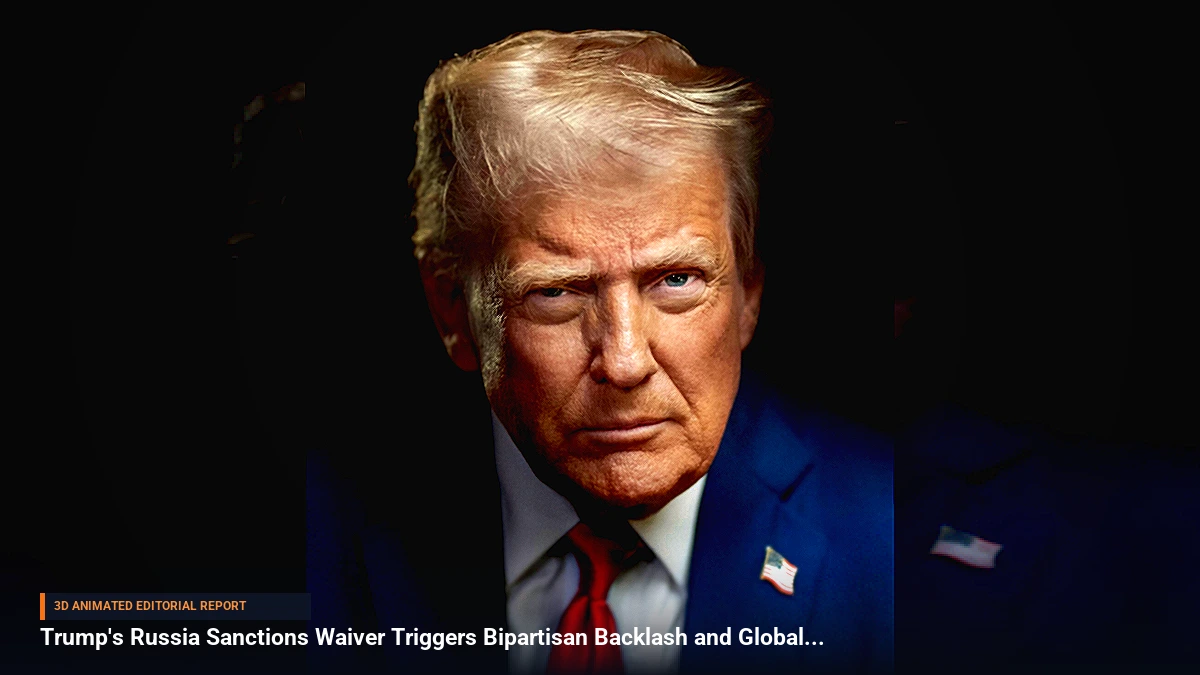
The latest developments stem from a newly passed US statutory framework that granted executive flexibilities, allowing the Trump administration to unilaterally waive or delay upcoming restrictions on energy trade. By exercising these powers, Washington has signaled a preference for economic pragmatism and domestic energy considerations over strict geopolitical containment.
In stark contrast, European capitals have viewed any relaxation of pressure as a fatal flaw in the strategy to force a cessation of hostilities. European leaders have spent recent months attempting to insulate their energy grids from Russian supply dependencies while tightening regulatory enforcement. The sudden US policy reversal places immense pressure on European institutions, forcing them to re-evaluate their long-term security architecture and economic deterrence models without guaranteed American backing.
Key Takeaways
- US Sanctions Rollback: The Trump administration eased or paused critical Russia-related oil sanctions and tariffs utilizing provisions within a new legislative act.
- Kyiv's Condemnation: Ukrainian leadership argues the policy serves as a strategic reward for Vladimir Putin that will escalate the conflict.
- Brussels' Steadfast Position: The European Union remains publicly committed to keeping all economic restrictions in place until the war concludes.
- Infrastructure Targeting: Moscow intensified bombardment against Ukrainian power plants and utilities to induce a humanitarian crisis before winter.
- Global Market Response: Major consumers like India are expected to keep Russian crude oil imports stable following the US regulatory waivers.
Impact, Analysis & Global/National Reactions
The widening chasm between Washington and Brussels poses profound strategic dilemmas for Western allies. European Commission President Ursula von der Leyen moved swiftly to reassure international partners, pledging unequivocally that the EU will "not lift any sanctions unless Russia stops the war."
Despite Brussels' resolve, analysts note that the loss of synchronized enforcement by the United States blunts the overall impact of Western economic measures. European policymakers now face difficult questions regarding how to sustain financial and military aid to Kyiv as Washington pursues independent diplomatic and economic channels with the Kremlin.
Latvian Prime Minister Andris Kulbergs underscored the existential stakes for the continent during emergency discussions in Brussels, emphasizing that Europe's long-term stability and security depend entirely on robust, uninterrupted support for Ukraine through the upcoming winter months.
What's Next: Looking Ahead
As the winter season approaches, the immediate priority for Kyiv and its European allies will be repairing damaged energy infrastructure and securing emergency power supplies.
Diplomatically, the coming weeks will test the resilience of European unity. With the US opting out of further aggressive sanction enforcement, EU leadership must determine whether independent regulatory enforcement can effectively constrain Moscow's war economy. Observers will also monitor whether the Ukrainian government successfully navigates bilateral appeals to European capitals for alternative security guarantees and expanded diplomatic frameworks.
Be the first to comment
Start a useful conversation around this story.