
What Happened: The Core Developments
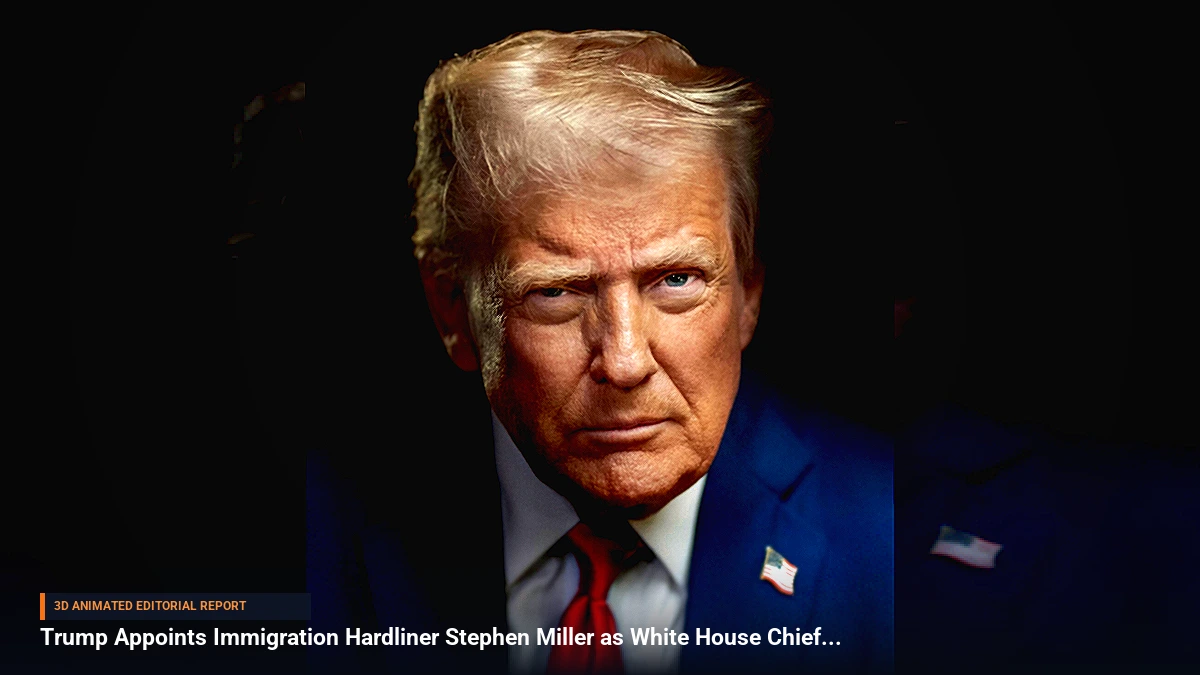
Donald Trump has officially appointed Stephen Miller as the new White House chief of staff. Known widely as a staunch immigration hardliner and one of the administration's most polarizing policy architects, Miller's promotion marks a pivotal turn in White House operations. The decision comes in the wake of challenging electoral outcomes, including midterm defeats that typically prompt moderating adjustments in major political parties.
Despite the electoral setbacks, Miller has remained defiant and confident about the party's trajectory. Publicly praising Trump’s core leadership, Miller stated that the Republican Party has actually become "stronger and more popular than ever," setting an aggressive tone for the administration's upcoming legislative and executive agendas.
Background & Key Context
Stephen Miller has long been a central figure in shaping conservative immigration policy, drafting some of the administration's most restrictive border enforcement measures during prior terms. His rise from policy adviser to chief of staff underscores a strategic decision by the White House to double down on core ideological commitments rather than pivoting to the political center after electoral challenges.
While international reports and internal party figures offer varying interpretations of recent electoral results and party positioning, the appointment signifies an intensification of Trump’s populist platform. Analysts note that elevating a hardliner to the chief of staff position—traditionally a role focused on administrative management and legislative strategy—transforms the office into a direct engine for ideological enforcement.
Key Takeaways
- Strategic Promotion: Donald Trump has named immigration hardliner Stephen Miller as White House chief of staff.
- Ideological Doubling Down: The appointment follows recent electoral setbacks, signaling an uncompromising approach to policy.
- Party Stance: Miller publicly asserted that the GOP remains stronger and more popular despite recent midterms defeat.
- Industry Concerns: The selection has triggered immediate anxiety and criticism from various commercial sectors dependent on foreign labor and immigration.
- Administration Shift: Observers suggest the move indicates the administration will adopt an even more assertive, unfiltered policy stance moving forward.
Impact, Analysis & Global/National Reactions
The decision to place Miller at the helm of White House operations has sent immediate shockwaves through domestic industries. Business sectors heavily reliant on immigration and foreign labor—ranging from agriculture and hospitality to technology—have expressed deep concern, noting that Miller's elevation threatens to ramp up enforcement actions that could severely disrupt labor markets.
At the same time, political analysts are divided. Supporters view the move as a necessary reaffirmation of populist mandates and a clear signal to the base that leadership remains unbowed by electoral friction. Conversely, critics and industry representatives argue that elevating a polarizing figure deepens political polarization and alienates key economic stakeholders.
What's Next: Looking Ahead
As Stephen Miller assumes his new duties as chief of staff, all eyes will turn to the administration's upcoming executive actions and legislative proposals. Stakeholders are bracing for aggressive new border security directives and stricter workplace enforcement rules.
Markets and industry groups will closely monitor how the White House balances its hardline platform with economic realities, while lawmakers prepare for intense legislative battles over immigration reform and federal appointments in the months ahead.





Be the first to comment
Start a useful conversation around this story.