
What Happened: The Core Developments
In a strategic move ahead of the upcoming Uttar Pradesh electoral battles, Samajwadi Party (SP) chief Akhilesh Yadav unveiled the party's comprehensive poll manifesto in Lucknow. The document marks a distinct pivot toward younger demographics, prominently featuring promises designed to resonate with Gen Z voters and citizens grappling with economic uncertainty. At the same time, regional political dynamics have grown increasingly complex. Ongoing seat-sharing discussions between the Samajwadi Party and the Indian National Congress have hit a major roadblock, with negotiations deferred indefinitely amidst public friction between local leaders.
Background & Key Context
The release of the SP manifesto comes at a crucial juncture for Uttar Pradesh's opposition landscape. For months, parties within the INDIA bloc have attempted to forge a unified electoral front to challenge the ruling administration. However, underlying tensions regarding seat allocation have repeatedly surfaced. Public sparring between regional figures—such as Congress MP Imran Masood and local SP representatives—prompted intervention from national leadership, including Congress President Mallikarjun Kharge, who urged restraint. Despite these efforts, foundational disagreements over seat-sharing formulas have stalled formal progress, leaving alliance talks frozen until key legislative sessions conclude.
Key Takeaways
- Targeted Gen-Z Focus: The Samajwadi Party manifesto heavily emphasizes youth aspirations, introducing new financial security measures for recent graduates.
- Unemployment Support: The platform pledges a monthly allowance of Rs 5,000 for graduates until they secure stable employment.
- Employment and Welfare Goals: The blueprint promises the creation of 25 lakh government jobs, an annual pension of Rs 40,000, free laptops, and the establishment of subsidized Samajwadi canteens.
- Agricultural Relief: Farmers feature prominently in the pledges, with explicit commitments to comprehensive farm loan waivers.
- Alliance Stalemate: Formal seat-sharing talks between the Congress and the SP have been put on indefinite hold, with no high-level breakthroughs expected immediately.
Impact, Analysis & Global/National Reactions
The uncoupling of the SP's aggressive policy rollout from its alliance negotiations highlights a calculated gamble by Akhilesh Yadav. Political analysts suggest that by rushing out a definitive populist agenda, the SP chief is seizing the narrative and forcing potential partners to negotiate on his party's terms. Reactions to the alliance friction have been mixed; while ruling party figures have publicly criticized the opposition's internal discord as evidence of instability, opposition leaders maintain that discussions remain paused rather than permanently broken. Internal discipline measures, such as Kharge's reprimand of local leaders exhibiting public hubris, underscore the high stakes involved in maintaining opposition unity.
What's Next: Looking Ahead
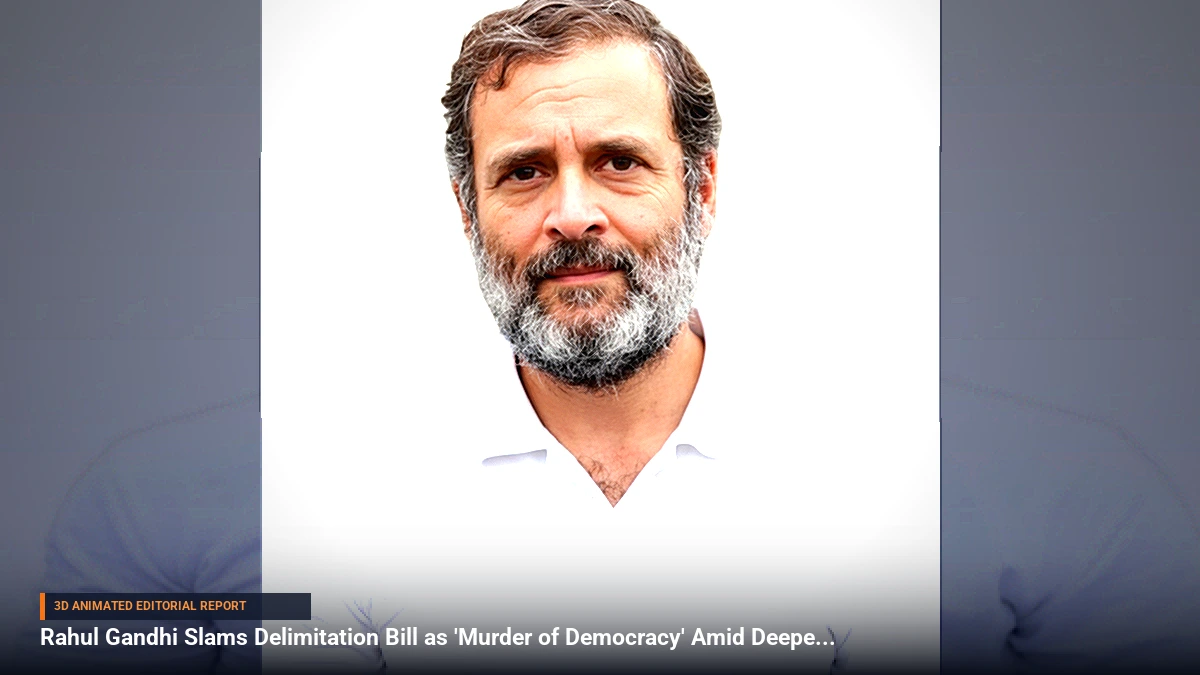
All eyes are now turned toward national capital corridors and the conclusion of the ongoing parliamentary session. Sources indicate that substantive dialogue between Congress and Samajwadi Party leadership—specifically involving Rahul Gandhi and Akhilesh Yadav—is unlikely to resume until the reconvened parliament completes its business. In the interim, the SP's aggressive grassroots push with its newly minted manifesto signals that the party intends to maintain full momentum, irrespective of whether a formal electoral partnership is finalized in the near term.
Be the first to comment
Start a useful conversation around this story.