

What Happened: The Core Developments
A ballistic missile launched towards Riyadh by Houthi forces was intercepted by the Saudi-led coalition, shattering the night sky with loud blasts and triggering emergency response mechanisms across the capital. Following the airborne threat, the Saudi civil defence authority issued urgent safety notices through its national early warning platform, later assuring the public that the immediate danger had passed and no catastrophic structural damage or mass casualties had been reported within the city center.
However, the cross-border escalation immediately reverberated through international travel corridors. Major Indian airlines announced the swift cancellation of commercial flights destined for multiple Saudi Arabian cities through October 17. The proactive aviation shutdowns were enacted out of an abundance of caution, designed to protect passengers and crew amid escalating regional security anxieties.
Background & Key Context
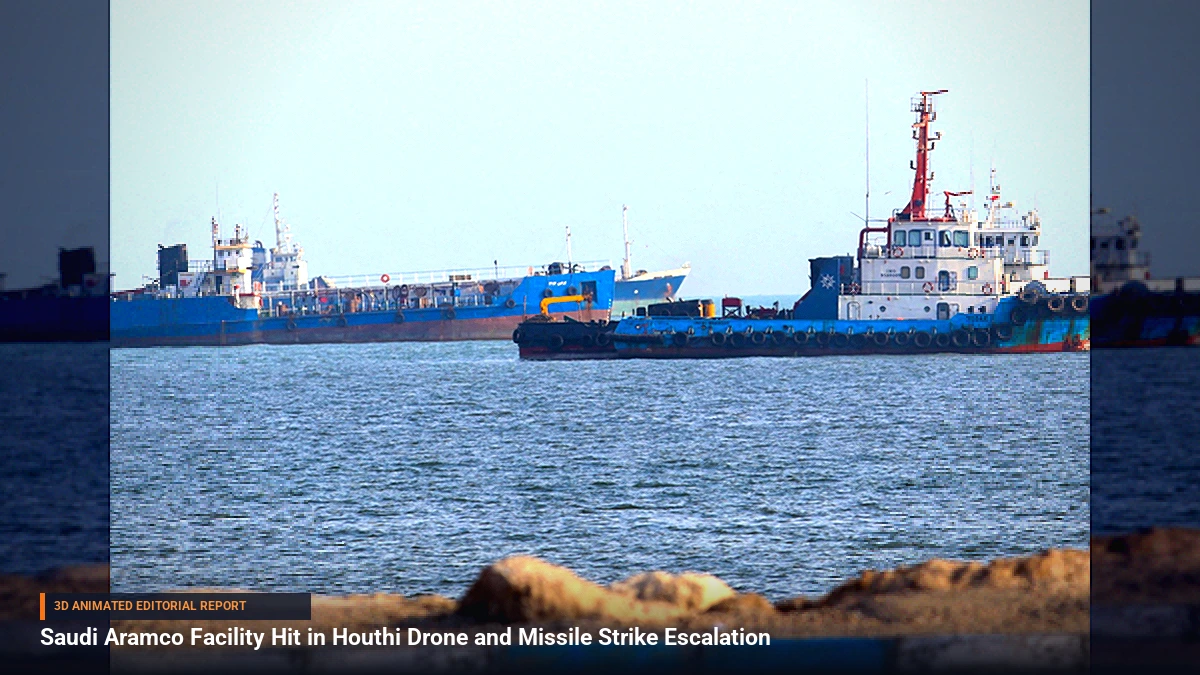
The latest aerial assault aligns with a persistent campaign by Houthi fighters targeting critical civil infrastructure, airports, and energy installations within the Kingdom. Despite repeated diplomatic overtures and international mediation efforts, cross-border missile and drone strikes continue to pose persistent risks to civil aviation and global energy supply stability across the Arabian Peninsula.
India's diplomatic and operational apparatus responded rapidly given the massive expatriate workforce residing in the Gulf. External affairs communications highlighted ongoing concerns for citizens in the region, noting that four Indian nationals remained under intensive medical care following previous regional security incidents tied to infrastructure targeting.
Key Takeaways
- Missile Interception: A ballistic missile directed at Riyadh was successfully neutralized by the Saudi-led coalition defense systems.
- Civil Defense Response: Saudi authorities utilized the national early warning platform to issue timely alerts, confirming shortly after that the immediate danger had cleared.
- Aviation Disruptions: Indian carriers suspended all flights to Saudi Arabian destinations until October 17 due to heightened airspace security risks.
- Critical Infrastructure Threats: The incident underscores the ongoing vulnerability of civilian airports and energy assets to cross-border projectile attacks.
- International Solidarity: Global and regional allies have strongly condemned the continued targeting of non-military sites and population centers.
Impact, Analysis & Global/National Reactions
The interception highlights the continuous efficiency of modern air defense architectures deployed across the Kingdom, yet it also underscores the economic and logistical friction caused by asymmetric warfare. Analysts note that while defense batteries successfully mitigate physical impacts, the psychological and operational fallout—manifested through sudden airline groundings and insurance adjustments—remains a persistent challenge.
Governments worldwide have rallied behind Riyadh. India expressed profound solidarity with Saudi Arabia, issuing sharp condemnations against ongoing attacks directed at civil infrastructure. Ministry spokespersons emphasized that the deliberate targeting of civilian hubs violates international norms and threatens millions of expatriate workers living peacefully in the region.
What's Next: Looking Ahead
Aviation authorities and foreign ministries will closely monitor airspace safety conditions ahead of the October 17 resumption window for Indian carriers. Regional diplomats are expected to ramp up backchannel discussions to contain the fallout from the latest escalation, balancing military deterrence with the urgent need to protect global supply chains and commercial aviation routes.


Be the first to comment
Start a useful conversation around this story.