
What Happened: The Core Developments
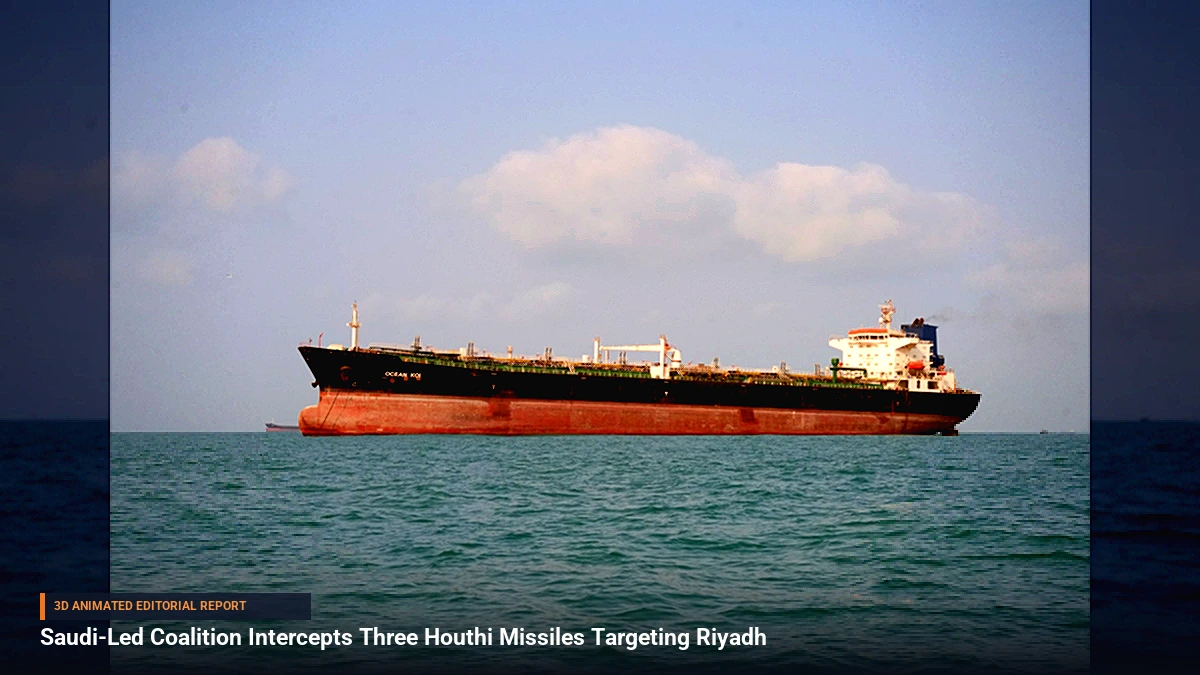
In a dramatic escalation of regional hostilities, air defense systems operated by the Saudi-led coalition successfully intercepted and neutralized three incoming ballistic projectiles directed at the Saudi capital, Riyadh. The late-night aerial engagement triggered widespread emergency alerts across the metropolitan area for the third consecutive night, sending residents seeking safety and forcing civil defense units onto high alert.
According to military spokespersons and regional monitoring reports, the coordinated salvo represents a marked intensification of projectile launches originating from Houthi-controlled territories in Yemen. While the primary interceptors successfully prevented the incoming threats from reaching their intended targets, the repetitive nature of these multi-night attacks has strained local defenses and underscored the persistent vulnerability of major urban centers.
Background & Key Context
The recent barrage follows a steady upward trajectory in cross-border hostilities that have increasingly targeted critical Saudi infrastructure, including energy facilities, transport hubs, and prominent commercial skyscrapers. Over recent weeks, security analysts have tracked a compounding pattern of long-range projectile deployments synchronized with broader geopolitical tensions across the Middle East. The Houthis have repeatedly signaled intentions to disrupt regional shipping lanes, ports, and power stations, elevating the strategic significance of Riyadh's defensive posture.
Historically, the capital has occasionally been the target of long-range retaliatory strikes, but a sustained, multi-night aerial campaign represents a tactical shift. This ongoing friction threatens to derail delicate diplomatic channels and ignites fresh concerns over the safety of international commerce and energy supplies moving through the broader Arabian Peninsula.
Key Takeaways
- Triple Interception: The Saudi-led coalition successfully neutralized three separate Houthi missiles aimed directly at Riyadh.
- Consecutive Alerts: Residents in the Saudi capital experienced emergency warnings for the third night in a row, reflecting an unprecedented frequency of attacks.
- Infrastructure Threats: Recent statements indicate that Houthi operations continue to explicitly threaten regional ports, power stations, and landmark commercial towers.
- Defensive Resilience: Advanced air defense systems have proven effective at intercepting the incoming payloads, though the sustained tempo tests readiness levels.
- Regional Spillover: The attacks coincide with broader maritime security incidents near Oman, pointing toward a multi-front escalation in the region.
Impact, Analysis & Global/National Reactions
Strategic analysts note that the choice of consecutive multi-night strikes on a heavily fortified capital is designed to test the depth and responsiveness of Saudi air defense networks. By forcing continuous emergency protocols, the aggressors aim to erode public confidence and draw international attention to the protracted conflict.
Defense economists and market watchers are closely monitoring the situation for potential ripple effects on global energy prices and commercial aviation routes. Previous strikes resulting in minor structural damage to high-profile buildings in Riyadh have already prompted corporate stakeholders to re-evaluate physical security measures and emergency response protocols across the Gulf region. International partners have reiterated calls for immediate de-escalation, emphasizing that continued targeting of civilian-heavy urban zones undermines regional stability and humanitarian efforts.
What's Next: Looking Ahead
As the coalition responds with targeted counter-strikes against launch infrastructure in areas like Hodeida, military planners are bracing for a prolonged cycle of retaliatory exchanges. Observers will be closely watching diplomatic channels to see if international mediators can broker a temporary ceasefire or establish humanitarian corridors to curb the current escalation.
Domestically, Saudi authorities are expected to maintain heightened security postures around critical infrastructure and major metropolitan hubs. Future developments will depend heavily on the coalition's ability to dismantle mobile missile platforms before launch, as well as the potential involvement of broader regional actors in shaping the trajectory of the conflict.


Be the first to comment
Start a useful conversation around this story.