
What Happened: The Core Developments
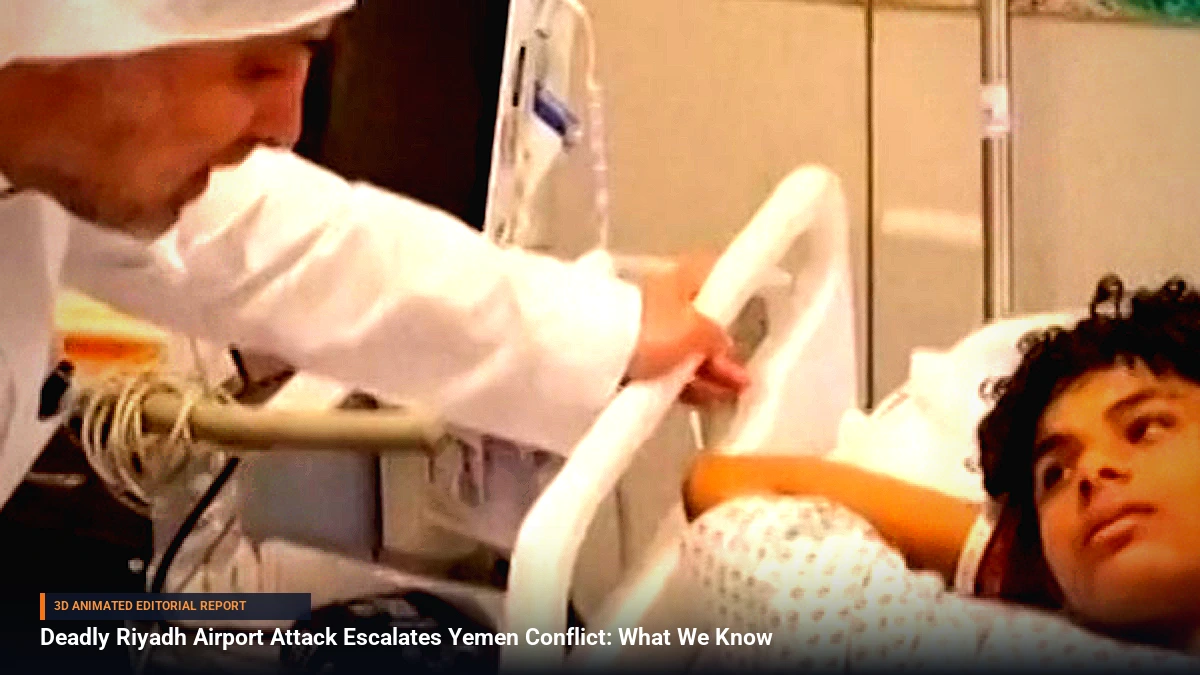
The ongoing regional conflict escalated dramatically following a precision attack targeting a major airport facility in Saudi Arabia's capital, Riyadh. The strike, attributed to Houthi forces operating out of Yemen, penetrated critical infrastructure zones, resulting in multiple casualties and sparking immediate international concern. Among the victims was an Indian expatriate, whose life was claimed in the assault, while his two sons sustained injuries and were rushed to a local medical facility for emergency care.
In the wake of the incident, Saudi leadership moved swiftly to address the human cost of the security breach. Saudi Arabia's Health Minister, Fahad Aljalajel, personally visited the surviving victims at the hospital in Riyadh, offering state support and overseeing their medical treatment. The attack underscores a troubling resurgence in cross-border aerial assaults, threatening both civil aviation security and the safety of expatriate workers residing in the Kingdom.
Background & Key Context
This latest escalation arrives against the backdrop of a prolonged and complex conflict in Yemen, which has routinely spilled over Saudi borders via drone and missile campaigns. Critical infrastructure sites, including oil installations and international airports, have historically been frequent targets of Houthi projectiles. Despite various diplomatic efforts, ceasefires, and regional peace talks, intermittent flare-ups continue to threaten the stability of the Arabian Peninsula.
For international communities, particularly nations like India with vast expatriate populations living and working in the Gulf, such attacks highlight the persistent security risks faced by foreign nationals. Riyadh's civil and defense infrastructure remains on high alert as security analysts assess the technological sophistication and trajectories of the munitions used in this latest raid.
Key Takeaways
- Targeted Infrastructure: The Houthi strike directly hit a strategic airport facility in Riyadh, causing both structural disruption and human casualties.
- Tragic Casualties: An Indian national was killed in the missile strike, and two of his sons were hospitalized with injuries.
- Government Response: Saudi Health Minister Fahad Aljalajel visited the wounded survivors in Riyadh to ensure comprehensive medical care and project governmental resolve.
- Regional Spillover: The incident demonstrates the persistent volatility of the Yemen conflict and its continuous threat to cross-border stability.
Impact, Analysis & Global/National Reactions
The strike has sent shockwaves through international diplomatic circles, emphasizing the vulnerability of civilian transport hubs to asymmetrical warfare tactics. Security analysts note that continuous cross-border attacks complicate ongoing peace negotiations and force regional defense apparatuses to recalibrate their interception strategies.
Foreign ministries across South Asia and the Middle East are closely monitoring the fallout, particularly regarding the safety of millions of foreign workers in the region. Humanitarian and diplomatic reactions stress the urgent need for a renewed cessation of hostilities, as civilian casualties continue to mount in a conflict that shows few signs of permanent resolution.
What's Next: Looking Ahead
In the immediate future, diplomatic channels are expected to buzz with condemnation and urgent consultations aimed at preventing further escalation. Saudi defense forces are anticipated to reinforce air defense perimeters around critical metropolitan hubs, while foreign embassies coordinate repatriation and support services for affected families. Observers will be watching closely to see whether this incident triggers a broader military retaliation or revitalizes stalled back-channel peace negotiations.


Be the first to comment
Start a useful conversation around this story.