
What Happened: The Core Developments
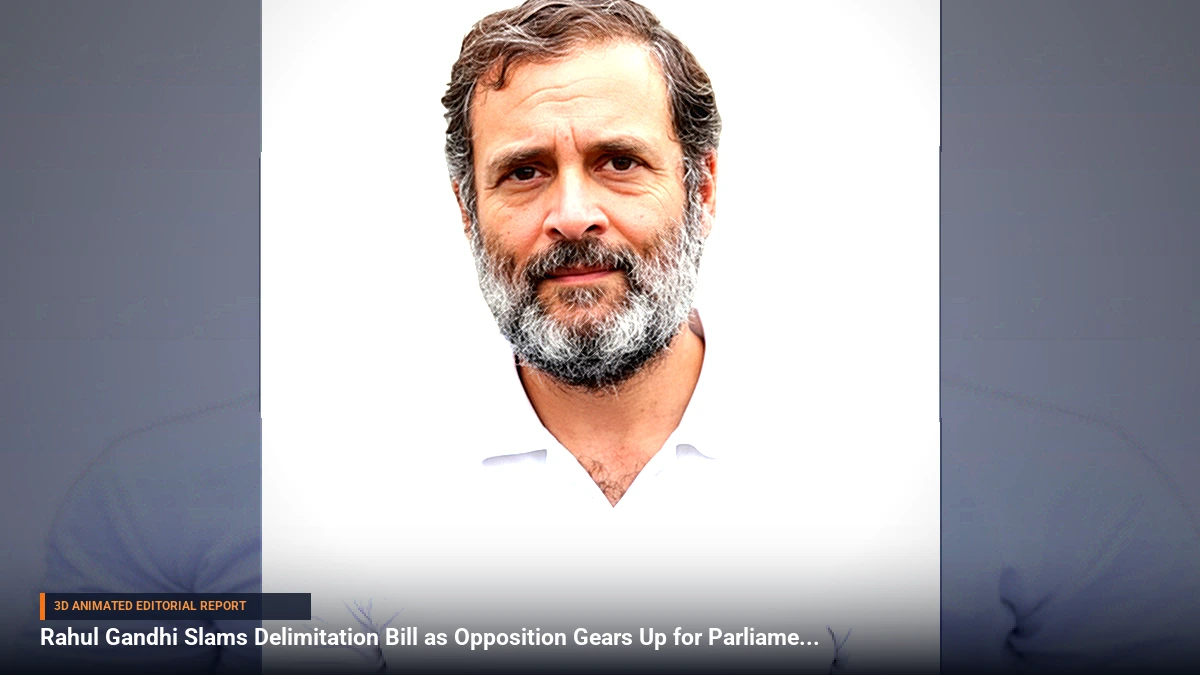
The political landscape in New Delhi is heating up as opposition parties mobilize against the Centre's impending legislative push. Leader of the Opposition Rahul Gandhi recently held a high-profile press briefing to criticize the proposed Delimitation Bill, framing the legislative package as an existential threat to democratic representation. According to Gandhi, the exercise would effectively provide the Bharatiya Janata Party (BJP) administration, alongside top institutional figures, with an unconstrained framework to reshape India's electoral map.
The announcement comes directly on the heels of intense legislative sparring, notably following Home Minister Amit Shah's recent challenges regarding political stalling tactics on major legislative agendas. With the winter session of Parliament slated to commence on Monday, the delimitation debate has rapidly eclipsed routine legislative business, threatening to ignite fierce floor-test battles.
Background & Key Context
Delimitation—the process of redrawing parliamentary and assembly constituency boundaries based on changing populations—has historically been a delicate balancing act in Indian federalism. Critics, particularly from southern and western states, have frequently argued that strict population-based adjustments penalize progressive states that have successfully managed population growth, potentially shifting a disproportionate balance of political power to more populous northern states.
Tensions escalated further after conflicting signals emerged from regional powerhouses. While figures like Priyank Kharge have openly labeled the prospective bill unscientific and detrimental to southern interests, shifting tactical stances among regional entities like the DMK and BRS have added unpredictable layers of complexity to the opposition's floor strategy. Despite questions over whether opposition parties possess the numerical strength to block the bill, leadership figures have signaled their intent to mount a vigorous resistance regardless of the ultimate tally.
Key Takeaways
- The "Blank Slate" Warning: Rahul Gandhi asserted that the upcoming bills grant the ruling establishment an unchecked canvas to alter electoral constituencies.
- Parliamentary Showdown: The delimitation controversy is slated to headline the legislative agenda when Parliament reconvenes on Monday.
- Regional Fractures: Regional parties like the DMK and BRS have presented mixed signals and shifting stances regarding the Centre's proposals, complicating unified opposition efforts.
- Federal Concerns: Southern leaders argue that unscientific delimitation parameters unfairly disadvantage states that prioritized family planning and population control.
- Institutional Focus: Opposition criticisms explicitly target the execution framework, drawing attention to the roles of key government and election administration figures.
Impact, Analysis & Global/National Reactions
Political analysts view the impending delimitation debate as a pivotal moment for Indian federalism, intersecting directly with ongoing disputes over women's reservation quotas and regional representation. While the ruling coalition contends that expanding and redrawing constituencies is vital for modernizing democratic representation, the opposition warns of deep structural imbalances.
Critics argue that shifting seat shares could permanently alienate southern and eastern states, eroding the foundational cooperative federalism that underpins the Indian union. Meanwhile, ruling party defenders maintain that the opposition is merely attempting to block progressive reforms and deflect from legislative accountability. As regional players weigh local voter sentiments against national alliances, the fallout risks creating lasting fissures across India's political geography.
What's Next: Looking Ahead
All eyes now turn to the floor of Parliament, where the government is expected to officially introduce the controversial legislation. Observers will closely monitor floor dynamics, voting alignments, and potential amendments. Should the bill clear legislative hurdles despite unified resistance, legal challenges and intensified regional agitations are widely anticipated in the months ahead.


Be the first to comment
Start a useful conversation around this story.