
What Happened: The Core Developments
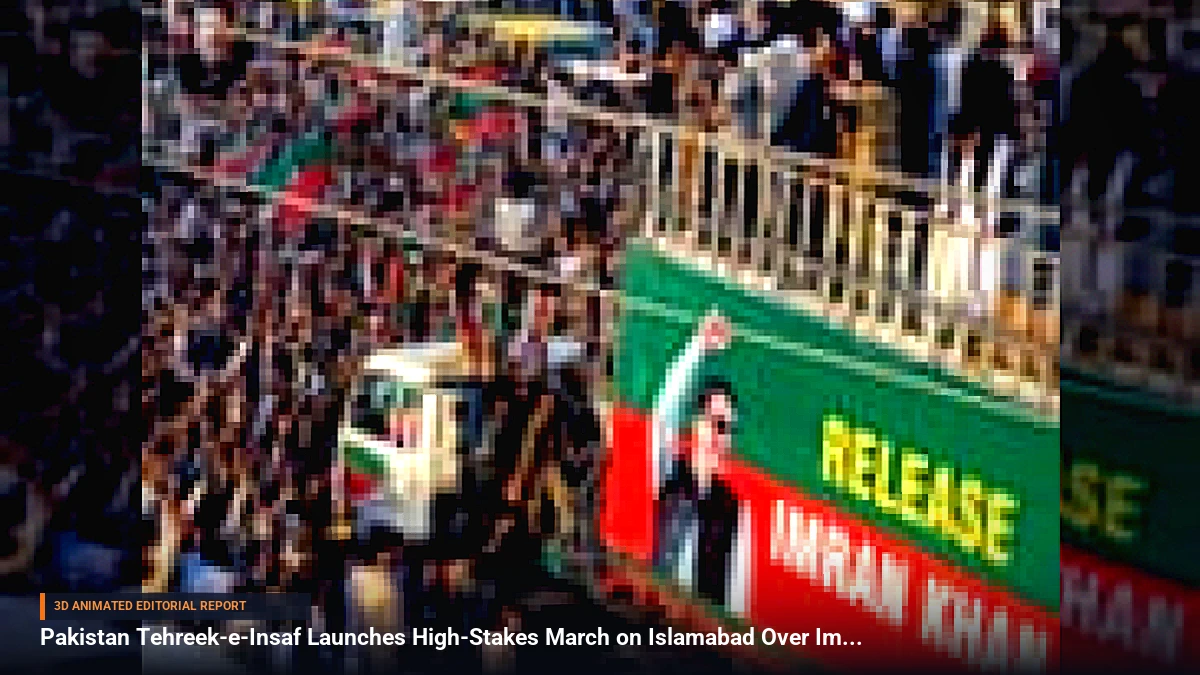
Tensions have reached a boiling point across Pakistan as loyalists of jailed former Prime Minister Imran Khan launched a determined march toward the capital city of Islamabad. Spearheaded by the Pakistan Tehreek-e-Insaf (PTI) party, the demonstration aims to compel the government to release the incarcerated leader, who remains a towering and polarizing figure in the nation's political landscape.
The mobilization officially kicked off from Khyber Pakhtunkhwa, Khan's political stronghold located in north-west Pakistan. Despite pre-emptive efforts by the administration to thwart the assembly, party leaders pushed forward, setting up a direct collision course with state security apparatuses. In response to the advancing columns, federal authorities declared that the protesters would be blocked from entering the capital, effectively placing Islamabad under an intense security lockdown.
Background & Key Context
This latest confrontation is the culmination of months of mounting political friction following Imran Khan's removal from office and subsequent imprisonment. Khan, a former cricket star turned populist politician, maintains a fiercely loyal base that contends his legal battles are politically motivated. Over the past year, his party has repeatedly tested state limits through street agitation, testing the fragile equilibrium between civilian governance, the judiciary, and Pakistan's powerful military establishment.
Khyber Pakhtunkhwa province, where the current march originated, has historically served as the primary power base for PTI. Utilizing provincial administrative infrastructure and a mobilized grassroots network, party organizers have consistently leveraged the region to mount pressure on the federal government in Islamabad, turning geographical distance into a tactical testing ground for state endurance.
Key Takeaways
- The Trigger: PTI loyalists launched a targeted march demanding the immediate release of imprisoned former Prime Minister Imran Khan.
- Point of Origin: The demonstration departed from the north-western province of Khyber Pakhtunkhwa, Khan's traditional political bastion.
- State Response: Pakistani authorities have instituted a strict security lockdown in Islamabad, vowing to prevent demonstrators from breaching the capital.
- Escalating Tensions: The standoff underscores the deep political polarization and ongoing friction between the state and PTI's grassroots support base.
Impact, Analysis & Global/National Reactions
The standoff between the state and PTI protesters highlights the fragile state of domestic stability in Pakistan. Analysts point out that this mobilization strategy is designed to test the resolve of the federal administration and force a political compromise. However, the hardline stance taken by security forces indicates that the government is unwilling to tolerate unauthorized mass assemblies near vital state installations.
Civil society and international observers are closely monitoring the situation, expressing concern over potential clashes and the broader implications for democratic expression and political freedom in the country. Markets and commercial sectors in Islamabad have also reacted cautiously to the security clampdown, anticipating transit disruptions and potential civil unrest.
What's Next: Looking Ahead
As the convoy of marchers progresses closer to the capital, all eyes will be on how federal security forces enforce the lockdown. The immediate future depends on whether negotiations can avert a violent confrontation at the city's peripheries or if the state will utilize extensive roadblocks and mass detentions to break the momentum of the PTI movement. Long-term, this mobilization threatens to deepen the political impasse, complicating judicial proceedings surrounding Khan and prolonging national instability.

Be the first to comment
Start a useful conversation around this story.