
What Happened: The Core Developments
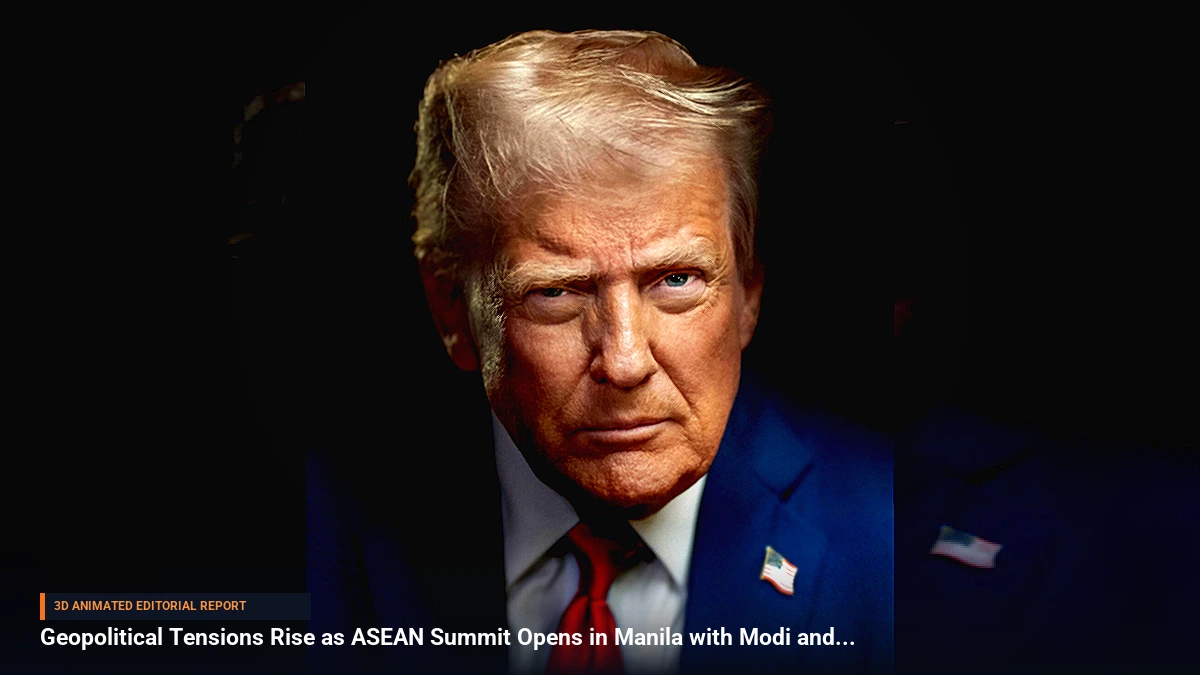
The Association of Southeast Asian Nations (ASEAN) summit officially commenced in Manila, Philippines, drawing high-profile international leaders to discuss vital geopolitical and economic issues. Among the key attendees are Indian Prime Minister Narendra Modi and US President Donald Trump. The multi-day summit serves as a crucial platform for addressing escalating global conflicts, securing critical maritime trade routes, and forging deeper economic ties across the Indo-Pacific region.
However, the grand diplomatic event has not gone unchallenged on the streets. As dignitaries arrived at the summit venues, local activist groups and demonstrators mobilized across Manila to voice vehement opposition to foreign interventions, focusing particularly on criticizing United States policies in the region. Security forces have maintained a heavy presence to manage the demonstrations while ensuring the safe passage of international delegations.
Background & Key Context
The annual ASEAN summit remains one of the premier diplomatic forums in Asia, balancing multilateral trade agreements with regional security dialogue. In recent years, the bloc has faced mounting pressure to navigate complex power dynamics between major global actors, particularly the US and China. Maritime disputes in the South China Sea continue to test regional unity, making multilateral engagement essential for conflict prevention.
For India, participation in the Manila summit marks another pivotal step in advancing its 'Act East' policy, reinforcing strategic and economic corridors with Southeast Asian nations. Meanwhile, the presence of US leadership underscores Washington's enduring economic and strategic commitments in the Indo-Pacific theater, even as grassroots sentiment in host nations like the Philippines reflects deep-seated local skepticism regarding foreign hegemony.
Key Takeaways
- High-Level Attendance: Global leaders, notably PM Narendra Modi and President Donald Trump, are participating in the Manila summit.
- Core Agenda Items: Discussions focus heavily on global conflicts, maritime security, and bolstering bilateral and regional economic frameworks.
- Civil Unrest: Protesters have taken to the streets of Manila to condemn foreign interventions and US policies.
- Strategic Diplomacy: The summit provides a critical theater for India to expand its diplomatic footprint via its Act East framework.
Impact, Analysis & Global/National Reactions
The convergence of world leaders and grassroots dissent highlights the delicate balancing act required by Southeast Asian host nations. Analysts note that while regional governments prioritize trade, security partnerships, and supply chain resilience, local populations frequently scrutinize the potential fallout of great-power competition on national sovereignty.
"The juxtaposition of high-level diplomacy inside the summit halls and vocal dissent outside underscores the complex realities of modern regional governance," political analysts observed. Stakeholders across various economic sectors are closely watching bilateral exchanges for breakthroughs on tariff structures, tech collaborations, and joint maritime defense initiatives.
What's Next: Looking Ahead
As the summit progresses, closed-door bilateral meetings and plenary sessions will yield joint declarations detailing collaborative frameworks on trade and security. Observers will be monitoring whether official communiqués address regional maritime flashpoints directly or maintain traditional diplomatic ambiguities. Furthermore, the handling of civil demonstrations by local authorities in Manila will set the tone for public engagement throughout the remainder of the high-level diplomatic calendar.



Be the first to comment
Start a useful conversation around this story.