
What Happened: The Core Developments
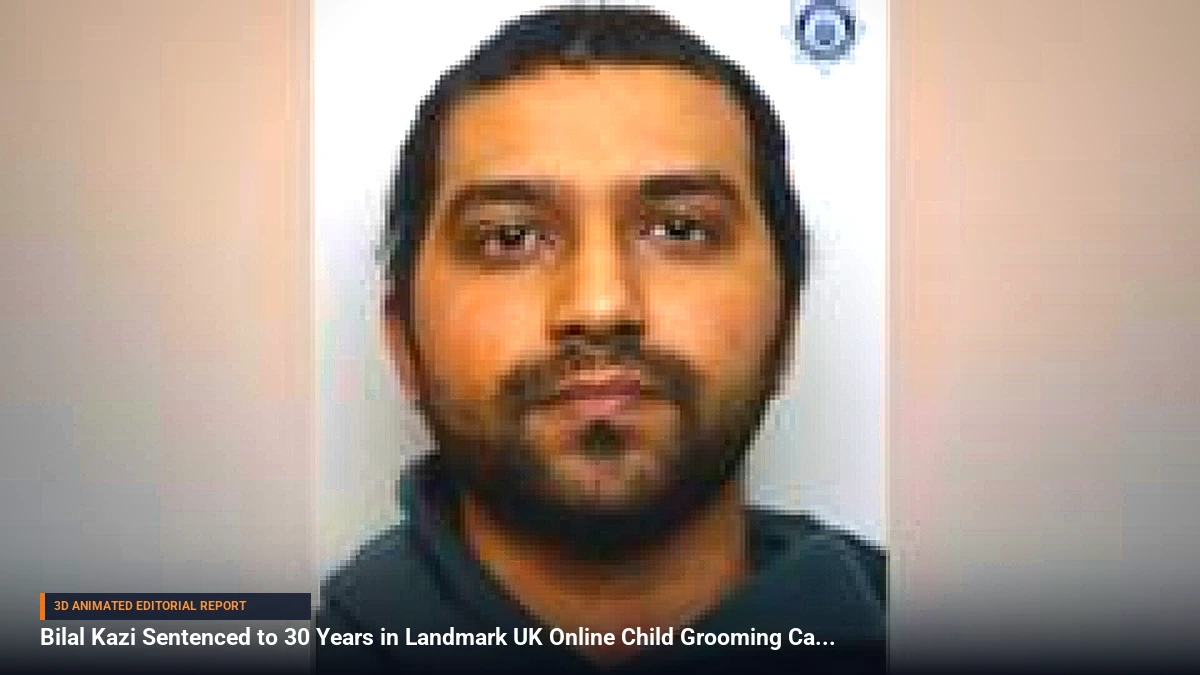
In a landmark ruling that highlights the escalating threat of digital exploitation, an Indian student living in the United Kingdom, Bilal Kazi, has been handed a 30-year prison sentence. Kazi was found guilty of orchestrating a massive online grooming operation targeting at least 70 vulnerable young girls.
The investigation, led by the Cheshire Constabulary, marks the largest online child abuse inquiry in the force's history. Law enforcement officials uncovered that Kazi meticulously hunted for victims across a diverse array of mainstream digital platforms, including popular social media applications and interactive gaming environments.
Background & Key Context
The alarming case sheds light on how bad actors infiltrate spaces frequently used by minors. Kazi exploited platforms such as Snapchat, the matchmaking app Wink, and the massively popular immersive gaming platform Roblox. According to verified judicial findings, the victims targeted by the perpetrator were children aged between 10 and 17 years old.
The operation underscores a growing challenge for international law enforcement agencies: monitoring and securing decentralized virtual ecosystems where millions of children interact daily without robust, foolproof verification measures.
Key Takeaways
- Severe Sentence: Bilal Kazi received a 30-year prison sentence following a comprehensive UK legal proceeding.
- Vast Scale of Abuse: The offender targeted at least 70 minor girls.
- Target Demographic: Victims were extremely vulnerable minors aged between 10 and 17.
- Exploited Platforms: The grooming occurred across multiple mainstream applications and games, including Snapchat, Wink, and Roblox.
- Historic Investigation: The case stands as Cheshire Constabulary's largest-ever online child abuse investigation.
Impact, Analysis & Global/National Reactions
The conviction has sparked intense discussions among digital safety advocates, child protection agencies, and tech policy makers. Security analysts point out that multi-platform predators frequently leverage the fragmented nature of modern apps—moving targets from immersive gaming chats to encrypted social media messaging spaces—to evade automated moderation tools.
Child safety groups have renewed calls for stricter regulatory compliance and accountability from tech conglomerates. Observers note that while platforms like Roblox and Snapchat deploy various safety filters, sophisticated bad actors continuously find loopholes to bypass these barriers, necessitating more aggressive proactive detection and seamless cross-jurisdictional intelligence sharing between law enforcement and tech firms.
What's Next: Looking Ahead
As the legal proceedings conclude with this landmark sentence, attention shifts toward the broader policy ramifications. Legislators in the UK and internationally are under mounting pressure to tighten online safety laws, potentially introducing stricter liabilities for tech platforms that fail to curb predatory behavior on their networks. Investigators are also expected to use the findings from Cheshire's historic operation to update threat models and improve digital forensics for tracking cross-platform grooming networks.






Be the first to comment
Start a useful conversation around this story.