
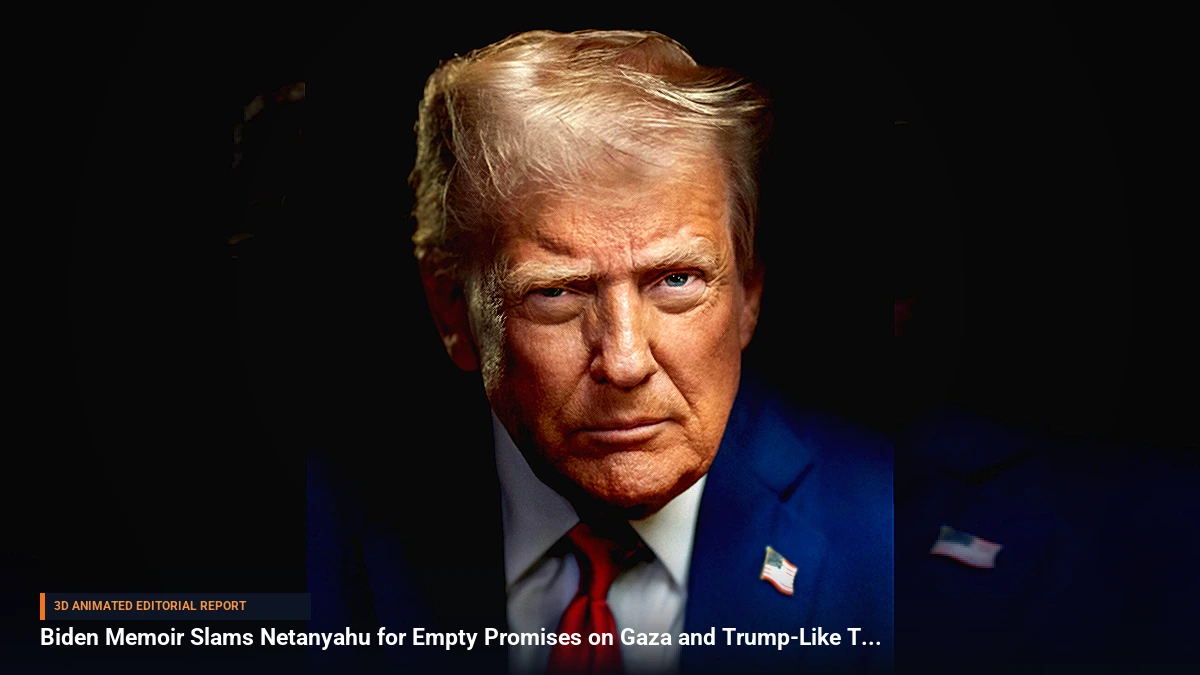
What Happened: The Core Developments
Former U.S. President Joe Biden has unleashed a wave of diplomatic fallout with the publication of his new memoir, featuring striking and unvarnished disclosures about his interactions with Israeli Prime Minister Benjamin Netanyahu. At the center of these revelations are severe allegations regarding the handling of the Gaza conflict. Biden asserts that Netanyahu made repeated, empty commitments to minimize civilian casualties during military operations, yet exhibited no genuine intention of honoring those pledges.
Beyond tactical disagreements on the battlefield, the former U.S. leader expands his critique to governance and political philosophy. Biden characterizes Netanyahu as possessing distinct political behaviors reminiscent of Donald Trump, accusing the Israeli premier of bending vital democratic institutions to safeguard his personal political survival.
Background & Key Context
Throughout their decades-long acquaintance, the relationship between Joe Biden and Benjamin Netanyahu has frequently faced heavy strain, oscillating between public solidarity and intense private friction. Following the outbreak of the Gaza war, the White House repeatedly urged the Israeli government to adopt more targeted strategies to protect non-combatants.
While official diplomatic communications consistently emphasized shared strategic goals and Israel's right to self-defense, reports of backstage friction regularly leaked. Biden’s memoir now provides an insider ledger of the frustrations experienced within the highest echelons of the U.S. administration, shedding light on the immense difficulty Washington faced in influencing Tel Aviv’s military execution.
Key Takeaways
- Broken Commitments: Biden alleges Netanyahu repeatedly promised to reduce civilian casualties in Gaza with zero intention of keeping his word.
- Democratic Institutions: The memoir compares Netanyahu’s political methods to Trump-like tendencies, specifically citing the manipulation of democratic frameworks.
- Behind-the-Scenes Strain: The publication highlights the deep, unvarnished personal and political tensions that existed between the U.S. and Israeli leaders during active conflict.
- Strategic Divergence: The disclosures underscore persistent gaps between American humanitarian demands and Israeli wartime execution.
Impact, Analysis & Global/National Reactions
These published disclosures shatter traditional diplomatic decorum, offering a rare glimpse into the intense pressures defining modern geopolitical alliances. Analysts note that Biden’s willingness to air these grievances in print could permanently alter perceptions of U.S.-Israel wartime coordination. While defenders of the U.S. administration view the memoir as an honest accounting of attempts to restrain an unyielding ally, critics of both leaders argue the revelations may further complicate regional stability and inflame ongoing political polarization.
International relations experts point out that codifying these private frustrations into a published record risks deepening distrust between future administrations in Washington and Jerusalem, setting a contentious precedent for bilateral diplomacy.
What's Next: Looking Ahead
As the memoir circulates globally, political observers will closely monitor reactions from Israeli officials and U.S. lawmakers. The fallout could influence upcoming diplomatic strategies, shape ongoing debates regarding foreign aid conditionalities, and cast a long shadow over future geopolitical alignments in the Middle East.




Be the first to comment
Start a useful conversation around this story.