What Happened: The Core Developments
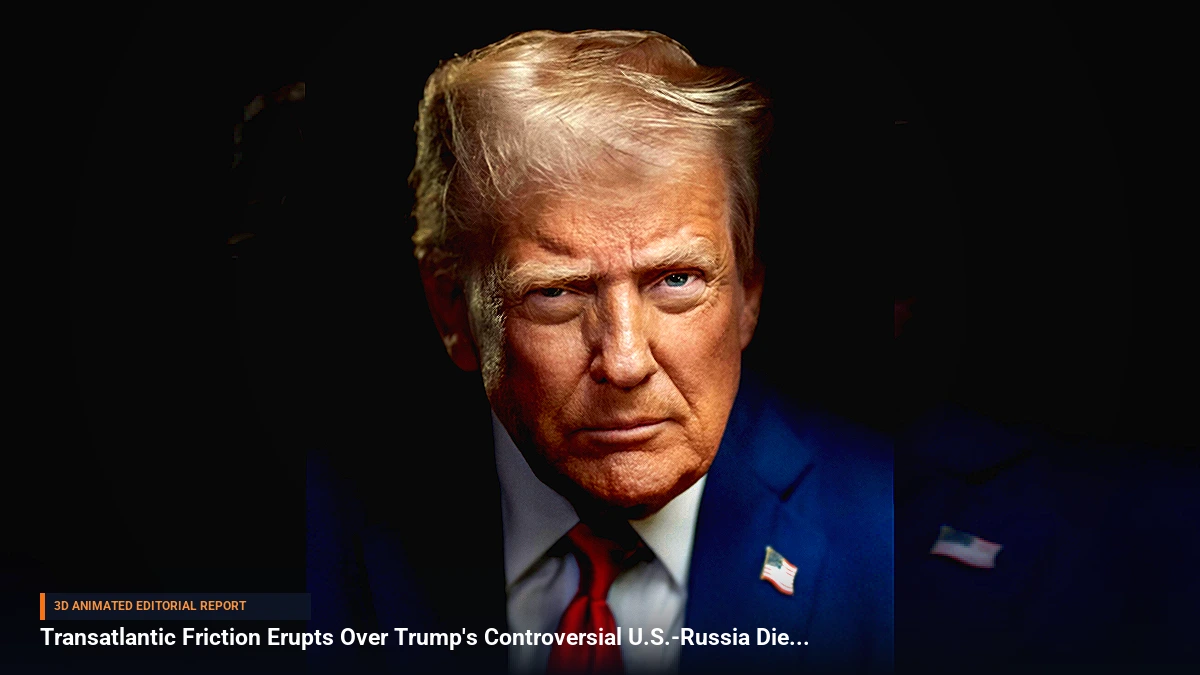
During a high-stakes address at the United Nations General Assembly (UNGA), Iranian President Masoud Pezeshkian delivered a fiery speech explicitly targeting Donald Trump and sharply criticizing the foreign policy posture of the United States. Standing before the international body, Pezeshkian framed his nation as a steadfast survivor of state-sponsored aggression, declaring that Tehran would "never bend the knee" despite mounting economic sanctions and geopolitical isolation.
The address marked a notable moment in wartime diplomacy, as the Iranian leader chose to directly invoke the former U.S. president by name. Beyond the assembly hall, Pezeshkian also engaged with reporters at a New York hotel, where he categorically denied persistent allegations that Iranian operatives were actively attempting to target or assassinate Donald Trump, calling such claims baseless distractions from broader regional conflicts.
Background & Key Context
Relations between Washington and Tehran have remained deeply fractured for decades, exacerbated by the unilateral U.S. withdrawal from the 2015 Joint Comprehensive Plan of Action (JCPOA) under the Trump administration and the subsequent reinstatement of sweeping economic sanctions. Pezeshkian’s UNGA appearance occurs against the backdrop of an increasingly volatile Middle East, involving proxy conflicts, nuclear enrichment milestones, and ongoing friction over regional security frameworks.
While previous Iranian administrations often balanced sharp anti-Western rhetoric with subtle diplomatic overtures, Pezeshkian's remarks reflect a hardened consensus within the Iranian political establishment. Tehran continues to demand the lifting of economic blockades and a genuine return to diplomatic memorandums of understanding, even as both nations navigate domestic political transitions and electoral cycles.
Key Takeaways
- Direct Confrontation: Iranian President Masoud Pezeshkian explicitly called out Donald Trump by name during his address at the United Nations General Assembly.
- Defiant Stance: Pezeshkian asserted that Iran is a victim of terrorism and proudly stated that the nation would "never bend the knee" to foreign coercion.
- Assassination Claims Denied: Speaking to reporters at a New York hotel, the Iranian president explicitly dismissed allegations that Tehran is plotting against Donald Trump's life.
- Wartime Diplomacy: The address served as a rare, high-profile platform for Tehran to articulate its grievances directly to the international community amidst ongoing global tensions.
Impact, Analysis & Global/National Reactions
Diplomatic analysts suggest that Pezeshkian's remarks are calculated to project strength both domestically and internationally. By framing Iran as the aggrieved party rather than the aggressor, Tehran aims to rally regional allies and appeal to non-aligned nations within the UN framework. However, Western diplomats have expressed concern that such polarizing rhetoric diminishes the prospect of reviving stalled nuclear negotiations.
"The rhetoric from Tehran underscores a deep-seated distrust that continues to obstruct meaningful bilateral dialogue," noted one international relations scholar. Meanwhile, U.S. and allied security officials continue to evaluate the credibility of threats against former officials, maintaining a posture of strict deterrence while monitoring Iranian diplomatic maneuvers closely.
What's Next: Looking Ahead
As the UN General Assembly concludes, international observers will closely monitor whether backchannel communications can survive the public posturing. Key indicators of future policy shifts will include the implementation of upcoming regional security resolutions, the trajectory of Iran's nuclear program, and potential diplomatic engagements ahead of crucial domestic and international electoral events.
Be the first to comment
Start a useful conversation around this story.