
What Happened: The Core Developments
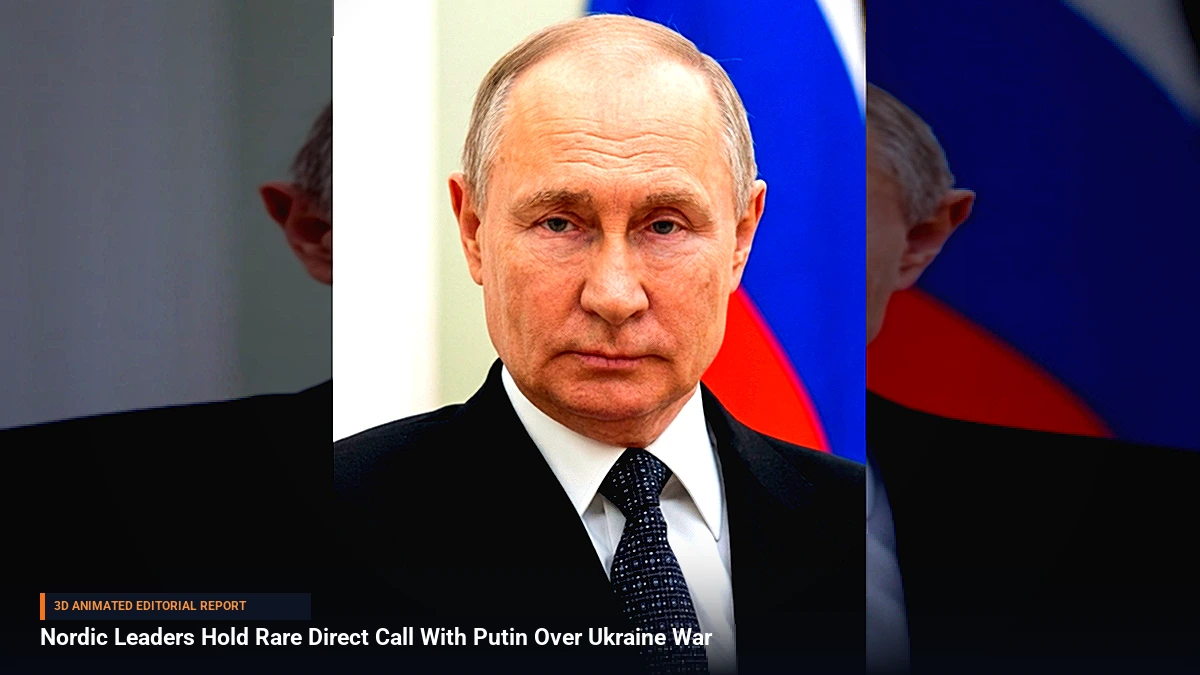
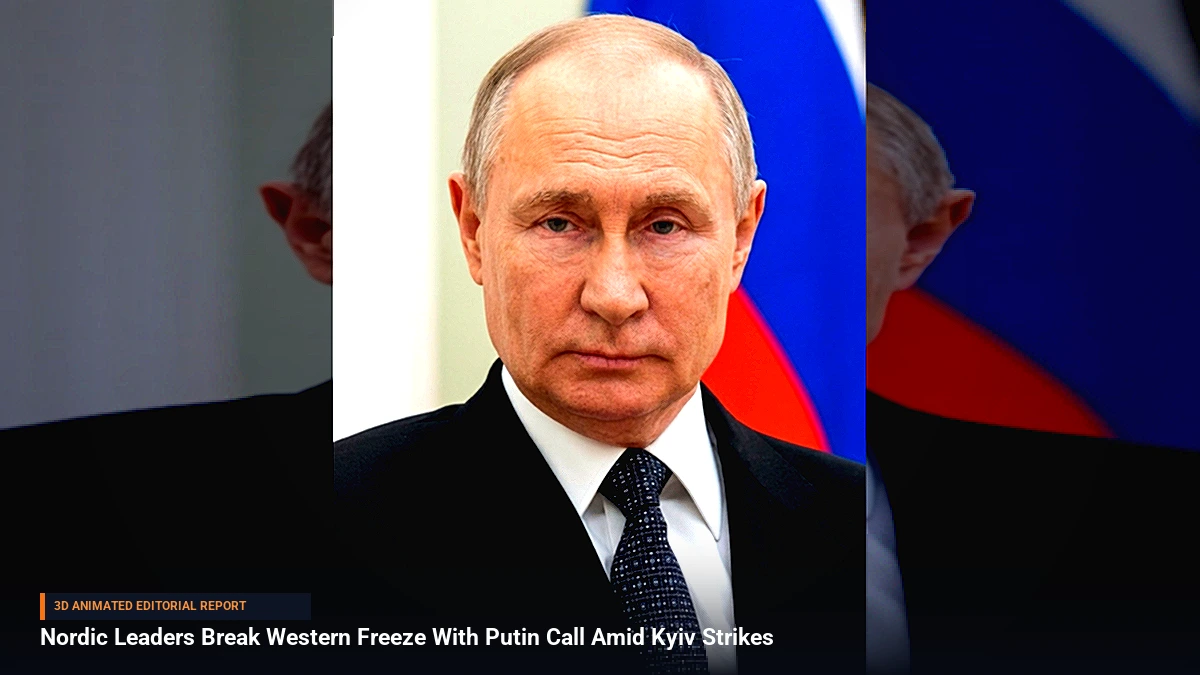
In a diplomatic move that broke months of frozen official contact between European leaders and the Kremlin, the heads of government from Finland and Norway initiated a direct phone call with Russian President Vladimir Putin. The primary focus of the conversation centered squarely on exploring pathways to end the protracted war in Ukraine.
However, the reception of the call varied sharply depending on the capital. While the Nordic states sought to open a direct channel for peace discussions, the Kremlin swiftly downplayed the significance of the communication. According to reports following the exchange, Putin utilized a substantial portion of the call to deliver a detailed lecture on Russian history to the Nordic leaders rather than engaging in immediate pragmatic concessions regarding the conflict.
Despite the Kremlin's dismissive stance, officials in Kyiv reacted with cautious optimism. Ukrainian leadership expressed hope that the direct diplomatic intervention by European neighbors could potentially stimulate new momentum toward meaningful peace talks.
Background & Key Context
Direct high-level diplomatic contacts between Western European leaders and Vladimir Putin have become exceedingly rare since Russia launched its full-scale invasion of Ukraine. Most European nations chose to isolate the Russian administration diplomatically, relying instead on sweeping economic sanctions, military aid to Ukraine, and multilateral forums.
For Finland and Norway, sharing a border and strategic interests with Russia adds unique complexity to regional security. Finland’s recent accession to NATO fundamentally shifted its defense posture, while Norway maintains a delicate balance as a NATO member with shared Arctic maritime borders with Russia. This geopolitical backdrop makes any direct dialogue initiated by Helsinki and Oslo a notable departure from standard collective European containment policies.
Key Takeaways
- Direct Nordic Intervention: Leaders from Finland and Norway broke conventional diplomatic freezes to speak directly with Vladimir Putin regarding the Ukraine conflict.
- Kremlin Dismissal: Moscow actively downplayed the diplomatic weight of the telephone conversation, signaling no immediate shift in its official stance.
- Historical Diversion: President Putin reportedly used the call to lecture the visiting European leaders on Russian historical narratives rather than negotiating terms.
- Kyiv's Optimism: Ukrainian officials welcomed the initiative, viewing high-level European engagement as a potential catalyst for renewed peace momentum.
Impact, Analysis & Global/National Reactions
The outreach highlights the ongoing dilemma faced by European nations bordering Russia: balancing a unified front of isolation against the necessity of exploring diplomatic off-ramps to a devastating war. Analysts note that while the call yielded no immediate breakthroughs, it underscores the persistent anxiety among frontline European states regarding regional escalation.
By lecturing the Nordic leaders on history, Putin signaled that Moscow remains unswayed by direct appeals from individual European states, preferring to dictate the terms and framing of any historical grievances. Meanwhile, Kyiv's positive reaction underscores Ukraine's desire to keep all diplomatic avenues open, provided they involve genuine commitments to ending hostilities.
What's Next: Looking Ahead
It remains to be seen whether the Finnish-Norwegian initiative will encourage other European leaders to attempt direct communication with Moscow or if it will remain an isolated diplomatic experiment. Future developments will depend heavily on battlefield conditions in Ukraine, the upcoming alignment of international sanctions, and whether Moscow shows any willingness to engage in substantive peace negotiations beyond historical grievances.

Be the first to comment
Start a useful conversation around this story.