
What Happened: The Core Developments
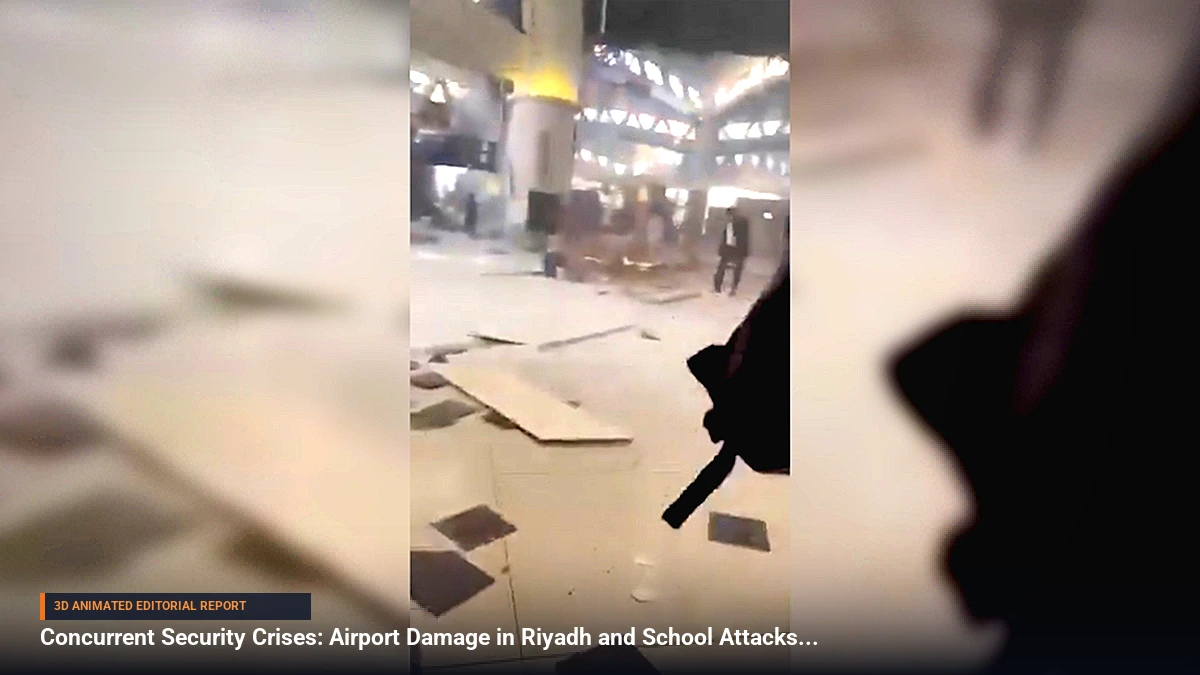
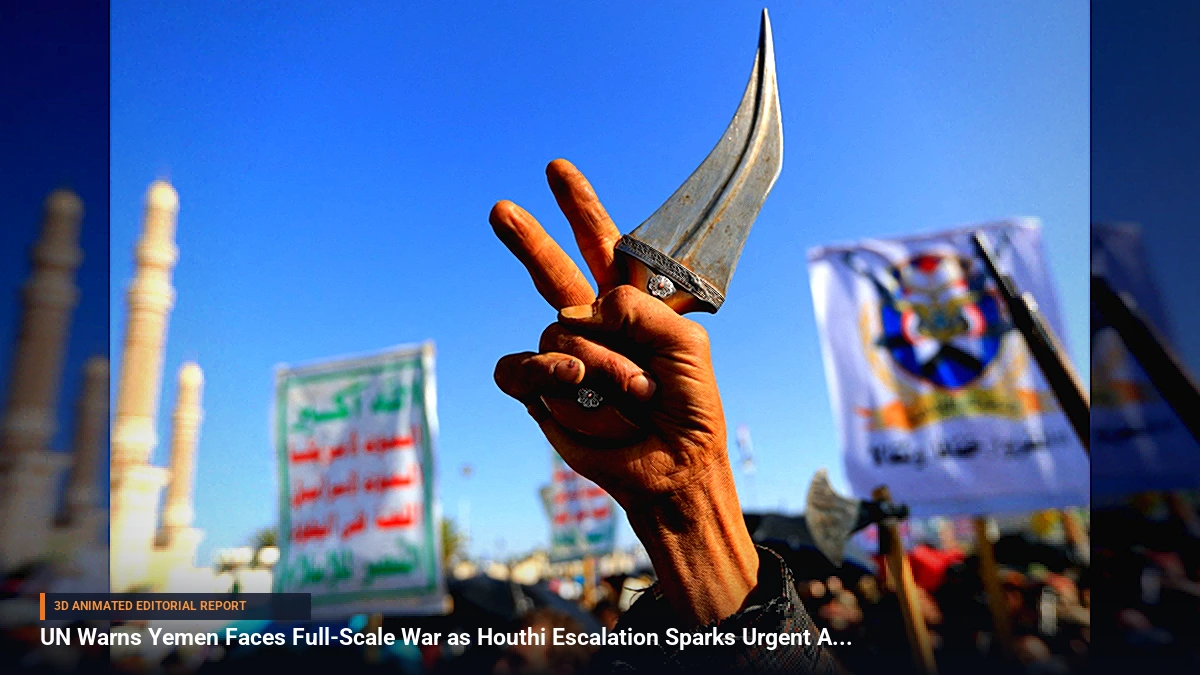
The security landscape across the Middle East has entered a volatile phase following a sharp escalation of cross-border attacks orchestrated by Houthi forces targeting critical infrastructure in Saudi Arabia. In direct response to the escalating hostilities, diplomatic and security measures are shifting rapidly on a global scale.
The United States government reacted promptly by issuing targeted security alerts through its diplomatic missions—including the US Embassy in Israel—and formally urged American citizens to reconsider travel to the broader Middle East. Washington's foreign policy and intelligence apparatus expressed growing concern that the persistent exchange of strikes between regional factions and the Houthis risks triggering a wider regional conflagration involving Iran and its allied proxy networks.
Simultaneously, traditional regional alliances are witnessing tangible shifts. Turkey has formally stepped forward to express unwavering solidarity with Saudi Arabia, asserting its readiness to fulfill Riyadh's military and security requirements under existing bilateral defense frameworks.
Background & Key Context
The ongoing conflict involving Houthi forces based in Yemen has long served as a primary flashpoint for Arabian Peninsula stability. Over recent years, strategic infrastructure, commercial hubs, and energy facilities within the Kingdom have frequently come under threat from asymmetric aerial assaults utilizing drones and ballistic missiles.
However, the latest surge in hostilities marks a critical turning point. Analysts note that the renewed intensity of these attacks coincides with wider regional friction involving Iran, creating a complex web of deterrence and military posture. Amidst these developments, security experts project that the Saudi military apparatus is preparing a robust countermeasure to reestablish deterrence along its southern frontier.
Key Takeaways
- US Security Posture: The US Embassy issued critical security alerts, warning citizens of a rapidly evolving threat environment.
- Travel Warnings: Washington strongly advises Americans to reconsider all non-essential travel to the Middle East due to rising Iran-linked tensions.
- Turkish Defense Support: Turkey's foreign ministry reaffirmed its commitment to Saudi security, offering concrete assistance to meet Riyadh's defense needs.
- Anticipated Retaliation: Security analysts indicate that Saudi Arabia's upcoming military response to the Houthi provocations will be substantial and sweeping.
- Regional Realignment: The crisis is accelerating diplomatic and military cooperation between major regional players like Turkey and Saudi Arabia.
Impact, Analysis & Global/National Reactions
The renewed friction has sent ripples through international markets and diplomatic circles. Energy markets remain particularly sensitive to security developments around the Arabian Peninsula, given the critical importance of regional stability to global supply chains.
Strategic experts emphasize that Saudi Arabia’s strategic calculus has transformed. Nawaf Obaid noted in recent security assessments that Riyadh's response to continued Houthi aggression originating from Yemen will be "massive and sizeable," signaling that a period of strategic patience may have concluded.
Meanwhile, international reactions reflect deep apprehension. Western capitals fear that unmitigated escalations could overwhelm existing diplomatic channels, drawing in secondary powers and destabilizing critical maritime and land corridors. Turkey's vocal backing of Riyadh under bilateral defense pacts introduces a new geopolitical dynamic, reinforcing regional security architectures independent of Western intervention.
What's Next: Looking Ahead
As the situation remains fluid, diplomats and military analysts are closely monitoring several critical indicators:
- Scope of Saudi Retaliation: Observers are waiting to see the scale and timing of Saudi Arabia's anticipated military measures against Houthi positions in Yemen.
- Diplomatic Engagements: Ankara and Riyadh are expected to finalize details regarding defense pact implementation and the operationalization of mutual security agreements.
- Further Travel Advisory Updates: Western governments will continuously evaluate the security environment, with potential for further embassy drawdowns or upgraded travel restrictions if hostilities persist.


Be the first to comment
Start a useful conversation around this story.