
What Happened: The Core Developments
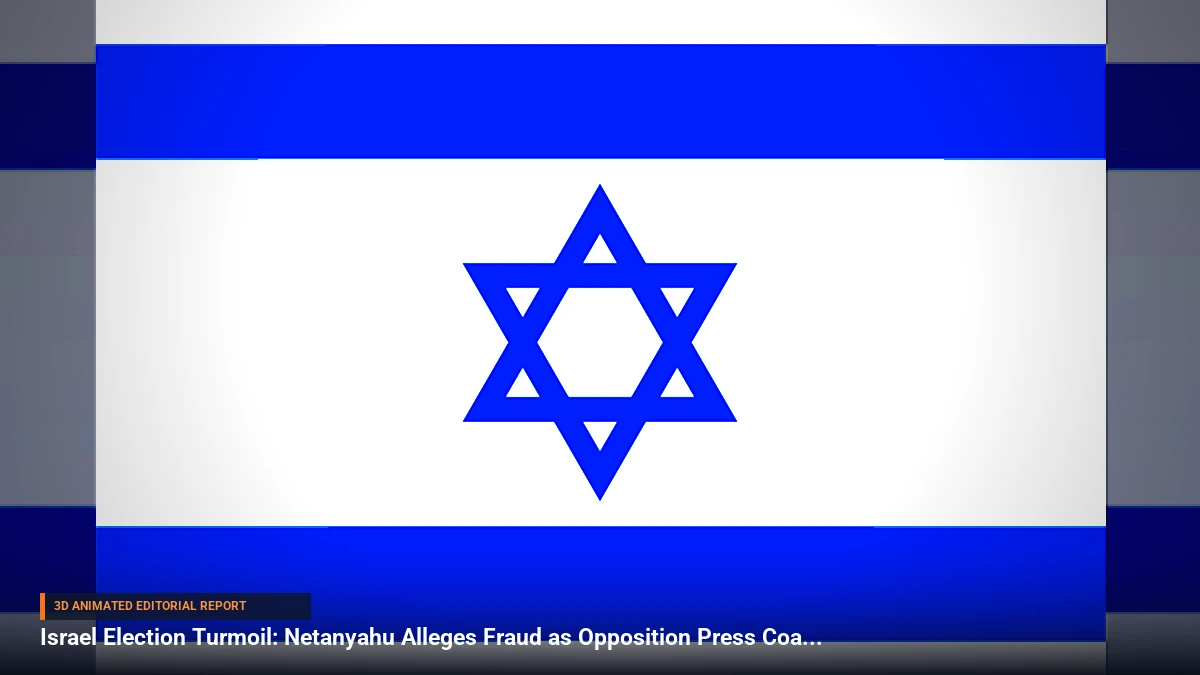
The political landscape in Israel is facing intense friction following the conclusion of the recent parliamentary elections. Prime Minister Benjamin Netanyahu has openly reiterated allegations regarding voting fraud and foreign election interference. These assertions have injected severe uncertainty into the immediate aftermath of the vote, casting a shadow over what is traditionally a structured transition into coalition negotiations.
While the incumbent premier challenges the legitimacy of the electoral process, opposition figures have taken a sharply contrasting stance. Opposition leader Yair Lapid asserted that a decisive threshold has been met, declaring that "a win is a win" while urging patience as anti-Netanyahu factions attempt to forge a viable governing majority. Concurrently, regional actors and domestic security authorities have pushed back against the narrative of external tampering, leaving the political establishment deeply divided over how to proceed.
Background & Key Context
Elections to the 26th Knesset have triggered complex parliamentary arithmetic, with various factions jockeying for influence to secure a governing majority. Israel’s proportional representation system frequently results in fragmented parliaments, necessitating intricate coalition agreements among multiple parties.
In this hyper-polarized environment, allegations concerning election integrity carry immense weight. Netanyahu's recent statements echo historical patterns of political pushback during tight electoral outcomes. However, the introduction of foreign interference claims involving regional entities has widened the diplomatic scope of the dispute, drawing swift rebuttals from international capitals and escalating domestic anxiety over democratic norms.
Key Takeaways
- Netanyahu's Allegations: Prime Minister Benjamin Netanyahu continues to raise claims of fraud and foreign interference affecting the outcome of the Israeli elections.
- Opposition Response: Opposition leader Yair Lapid has declared an anti-Netanyahu majority, urging calm and patience as parties maneuver for coalition talks.
- International Rebuttal: Qatar has officially dismissed accusations of election interference directed at it, labeling the claims as "ridiculous and dangerous."
- Domestic Pushback: Israeli police and various opposition parties have similarly rejected the narrative of widespread tampering.
- Procedural Warnings: Yashar party leader Gadi Eisenkot cautioned against political actors exploiting the controversy to stall the constitutional timeline.
Impact, Analysis & Global/National Reactions
The ripple effects of the disputed election results extend well beyond local legislative chambers, impacting diplomatic relations and public trust in democratic institutions. Qatar's swift dismissal of the interference allegations highlights the sensitivity of regional diplomacy, where external actors are frequently drawn into domestic political rhetoric.
Domestically, the friction has threatened to derail the administrative steps required to seat the incoming parliament. Gadi Eisenkot, leader of the Yashar party and a prominent political rival to Netanyahu, issued a firm warning via social media regarding procedural manipulation. Eisenkot emphasized that while legitimate complaints must be thoroughly investigated to protect election integrity, political figures must not be permitted to weaponize these claims to delay the formal swearing-in of the 26th Knesset.
What's Next: Looking Ahead
As the political dust begins to settle, all eyes turn toward the impending coalition negotiations and the official certification of the election results. Opposition figures are continuing discussions across ideological lines to piece together a functional governing coalition, aiming to counter the incumbent bloc.
At the same time, institutional bodies and legal watchdogs face the delicate task of addressing any formal grievances regarding the vote without allowing the process to become indefinitely stalled. The coming weeks will determine whether Israel's political factions can adhere to established constitutional timelines or if the allegations of fraud and interference will plunge the legislative process into prolonged legal and procedural gridlock.




Be the first to comment
Start a useful conversation around this story.