
What Happened: The Core Developments
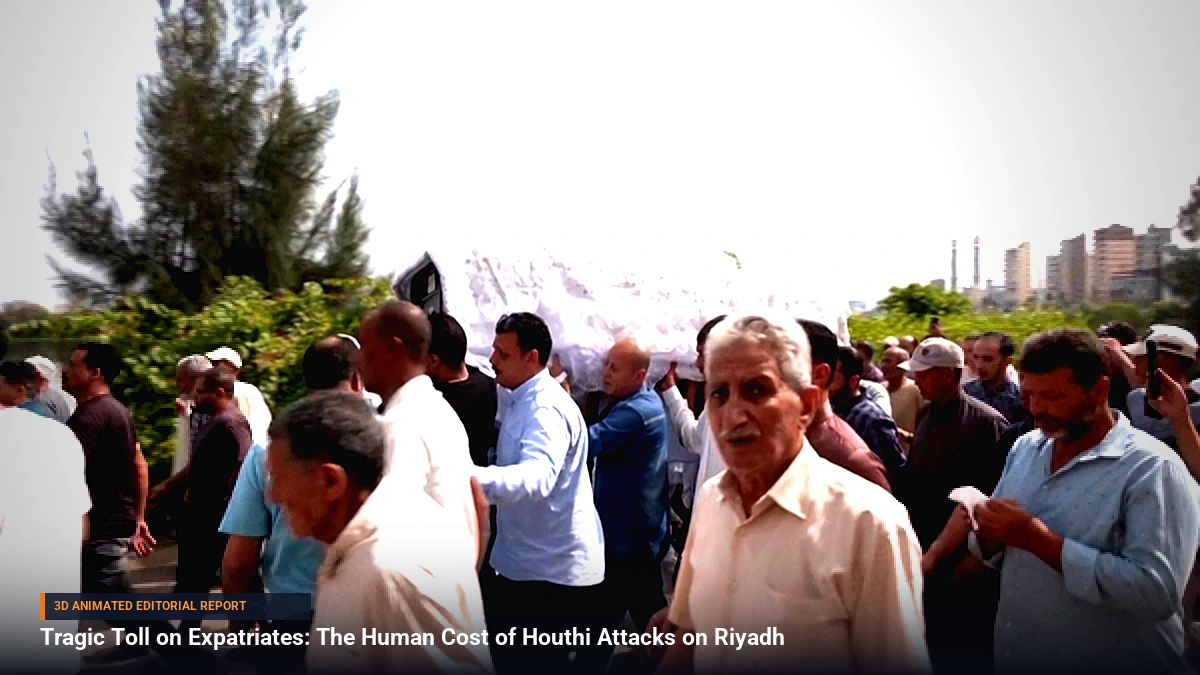
The geopolitical tensions in the Middle East have once again pierced the civilian sphere, resulting in heartbreaking human losses far removed from traditional frontlines. Recent cross-border aerial assaults attributed to Yemen's Houthi movement targeting the Saudi capital of Riyadh have claimed the lives of innocent civilian workers. Among the victims was an Egyptian flight attendant, whose solemn funeral recently drew mourning family members and colleagues.
While military defense systems operated by the Saudi-led coalition frequently intercept incoming ballistic missiles and explosive-backed drones, the sheer volume and unpredictable trajectory of these projectiles continue to pose severe threats to civilian infrastructure and densely populated urban areas. The tragic death of the Egyptian aviation worker underscores the indiscriminate nature of these long-range strikes, which imperil not only citizens of the Gulf kingdom but also the millions of international expatriates who form the backbone of the region's service, transport, and aviation sectors.
Background & Key Context
For years, the conflict in Yemen has spilled across international borders, with Houthi forces launching repeated drone and missile strikes directed at strategic sites, oil facilities, and major metropolitan hubs within Saudi Arabia and the United Arab Emirates. Riyadh, located hundreds of kilometers from the active conflict zones in southern Yemen, has historically been targeted to exert maximum political and economic pressure on the Saudi government and its coalition partners.
Expatriate workers—ranging from aviation professionals and healthcare providers to construction laborers—frequently live and work in areas adjacent to critical transportation infrastructure, such as international airports and logistics hubs. These facilities have frequently found themselves in the crosshairs of asymmetric warfare. Despite international condemnations and repeated diplomatic efforts led by the United Nations to secure a lasting cease-fire, the continuation of aerial hostilities demonstrates the fragile security architecture protecting regional capitals.
Key Takeaways
- Human Toll on Expatriates: The recent attacks have tragically highlighted how foreign nationals and migrant workers bear a disproportionate risk when regional capitals are targeted.
- Cross-Border Escalation: Houthi long-range missile and drone capabilities continue to threaten civilian areas deep inside Saudi territory, far beyond immediate combat zones.
- International Condemnation: Global powers and neighboring nations have strongly denounced strikes on civilian infrastructure, calling for an immediate cessation of hostilities.
- Defense Challenges: While the Saudi-led coalition maintains sophisticated air defense systems, intercepting all incoming asymmetric threats remains a complex logistical hurdle.
Impact, Analysis & Global/National Reactions
The loss of civilian lives has triggered widespread international outcry and diplomatic mobilization. Governments across South Asia, the Middle East, and North Africa have issued urgent advisories urging their nationals residing in the Gulf to remain calm and vigilant amid ongoing security concerns.
Foreign ministries have stepped forward to condemn the targeting of civilian infrastructure. For instance, Indian authorities recently issued statements urging calm while condemning strikes that endangered expatriate workers, noting injuries among citizens in parallel incidents tied to regional facility attacks. Analysts point out that these attacks are meticulously designed to disrupt global supply chains, international aviation, and investor confidence in the Gulf Cooperation Council (GCC) economies.
"The targeting of civilian transport hubs and the resulting loss of innocent working lives represents a grave escalation that transcends political grievances," noted a regional security analyst. "It transforms routine commercial operations into high-risk endeavors for the millions of expatriates who call the region home."
What's Next: Looking Ahead
As families mourn victims like the Egyptian flight attendant, diplomatic channels face renewed pressure to revive stalled peace talks in Yemen. International mediators are actively working behind the scenes to secure a sustainable truce that can permanently halt cross-border projectile launches.
For aviation authorities and multinational corporations operating in Saudi Arabia, enhanced security protocols, risk assessments, and emergency response frameworks are being urgently reviewed. The primary focus moving forward will center on whether diplomatic pressure can successfully curb the proliferation of long-range aerial weapons, thereby ensuring that international transport corridors and civilian populations are adequately shielded from the ongoing regional turmoil.

Be the first to comment
Start a useful conversation around this story.