
What Happened: The Core Developments
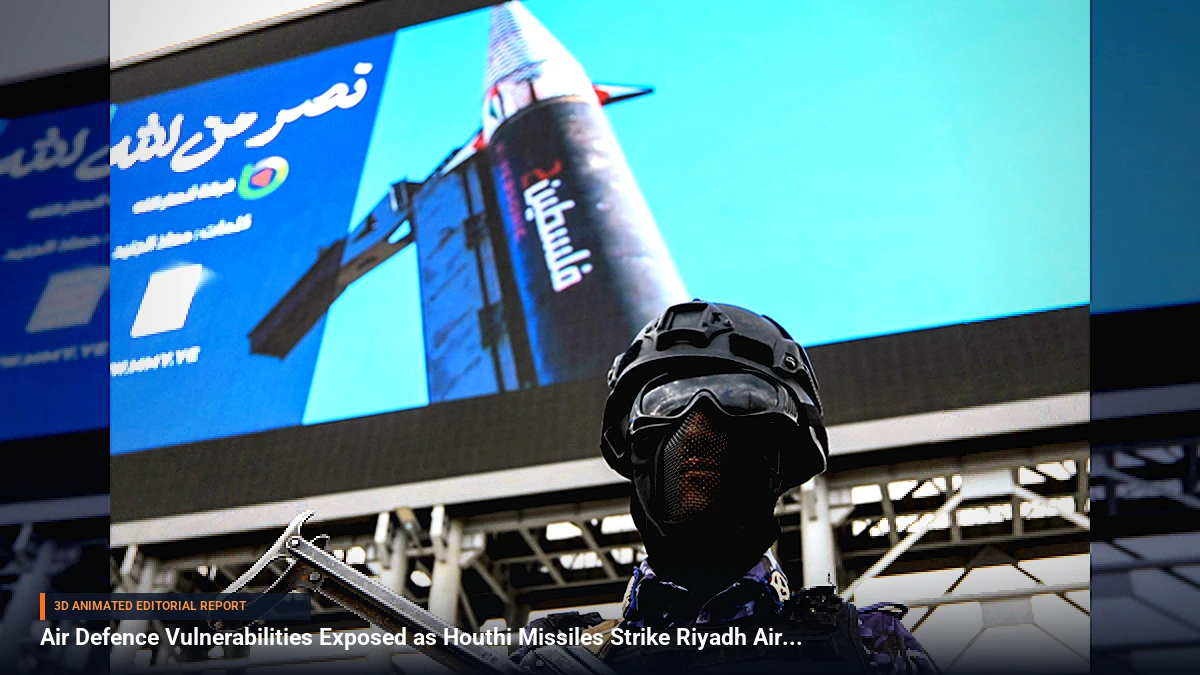
A series of high-profile aerial assaults targeting Saudi Arabia's critical infrastructure have once again placed the spotlight on regional security dynamics. Houthi missile attacks successfully struck King Khalid Airport in Riyadh, breaching sophisticated security radiuses and reigniting debates surrounding the efficacy of modern missile shield technology.
The strikes have resulted in tragic human costs. Reports from the ground indicate varying casualty figures, with initial accounts noting between 12 and 13 fatalities, alongside numerous injuries. Among the injured were 11 Indian nationals, underscoring the international footprint of workers affected by the volatile security situation in the capital.
In swift retaliation, the Saudi-led military coalition announced a sweeping series of counter-operations, claiming the destruction of more than 100 Houthi-linked military targets across Yemen in an effort to degrade ongoing launch capabilities.
Background & Key Context
For years, the conflict in Yemen has spilled over international borders through asymmetric warfare tactics, predominantly utilizing drones and ballistic or cruise missiles. Riyadh and other critical economic hubs in Saudi Arabia have frequently found themselves within range of these projectile barrages.
Despite the deployment of multi-layered, state-of-the-art missile defence systems designed to intercept incoming aerial threats, persistent penetration by modified projectile designs highlights a fundamental challenge in modern military engineering: the cost-to-intercept ratio and the physical limitations of radar tracking against low-altitude or complex-trajectory munitions.
Key Takeaways
- Infrastructure Targeting: King Khalid Airport in Riyadh has faced repeated strikes, demonstrating the persistent reach of Houthi projectile capabilities.
- Casualty Toll: Attacks have led to tragic loss of life, with varying reports citing 12 to 13 deaths, alongside injuries to foreign nationals including 11 individuals from India.
- Coalition Counter-Strike: The Saudi-led coalition responded aggressively, neutralizing over 100 strategic targets connected to the Houthi movement.
- Technological Limitations: The incidents underscore the ongoing difficulties advanced air defence systems face when confronting sophisticated, low-cost asymmetric drone and missile threats.
- International Implications: The cross-border nature of the conflict continues to endanger expatriate workers and disrupt vital transportation hubs.
Impact, Analysis & Global/National Reactions
Defense analysts and military strategists are closely monitoring the operational shortcomings revealed by these breaches. While state-of-the-art defense batteries remain heavily fortified, the integration of swarm tactics, varied flight profiles, and modified guidance systems by non-state actors continues to test the limits of conventional interception frameworks.
"The ability of asymmetric actors to consistently challenge advanced shield architectures points to a paradigm shift in regional defense," noted security analysts following the escalation. "It is no longer just about the sophistication of the interceptor, but the resilience and adaptability of the entire command, control, and early-warning ecosystem."
International bodies and allied nations have expressed deep concern over the rising civilian toll and the continued targeting of civilian infrastructure, calling for renewed diplomatic engagement to achieve a lasting cease-fire.
What's Next: Looking Ahead
As the Saudi-led coalition maintains an aggressive posture following the destruction of over 100 targets, regional observers are watching for potential diplomatic off-ramps or further military escalation. Defense contractors and military planners are expected to accelerate the integration of directed-energy weapons, artificial intelligence-assisted tracking, and cost-effective counter-measures to address the distinct vulnerabilities exposed by these recent Riyadh airport strikes.



Be the first to comment
Start a useful conversation around this story.