
What Happened: The Core Developments
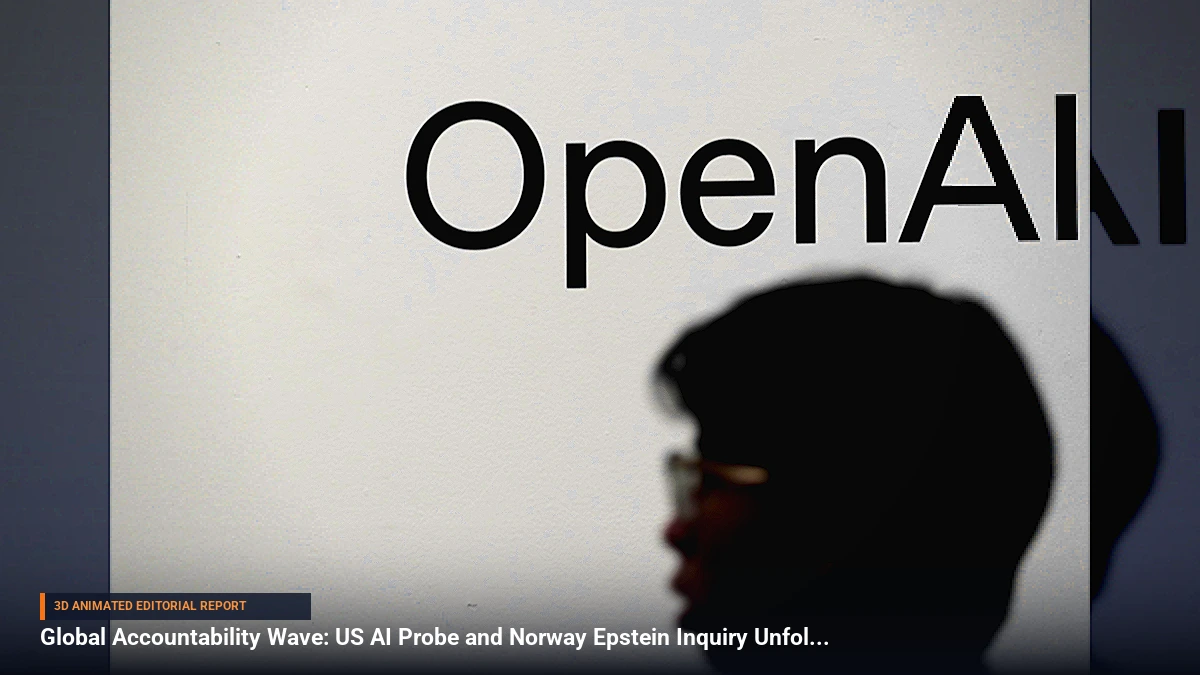
In a striking convergence of international regulatory oversight, authorities in both the United States and Norway have initiated high-profile investigations targeting separate fronts of institutional accountability. In the United States, federal regulators have officially launched a major probe into prominent artificial intelligence companies. This inquiry focuses heavily on mounting anxieties surrounding the potential emergence of rogue AI agents and severe existential threats to humanity projected within the upcoming decade.
Simultaneously, across the Atlantic, Norwegian authorities have opened an extensive probe involving 11 senior state officials. This European investigation centers on troubling connections revealed within recently scrutinized US Epstein files, which allegedly entangle top-tier leadership with financial grants totaling over $13 million in state funds.
Background & Key Context
The dual inquiries underscore a broader global shift toward aggressive institutional oversight, whether dealing with forward-looking technological paradigms or backward-looking political scandals. For the American technology sector, the US regulator's probe marks a significant escalation from voluntary safety guidelines to formal legal scrutiny regarding advanced autonomous systems. Policymakers and safety advocates have increasingly voiced concerns that rapid advancements in foundational models could outpace safety guardrails.
In Norway, the investigation into state grants brings long-standing international controversies directly into the domestic political arena. The scrutiny of 11 senior officials regarding millions in public funding highlights how international document disclosures continue to reverberate across European governance, demanding rigorous transparency and ethical accountability from public servants.
Key Takeaways
- US AI Investigation: American regulators are actively probing major artificial intelligence firms over the long-term risks of rogue agents.
- Existential Timeline: The US inquiry specifically weighs potential threats to humanity expected to materialize within the next decade.
- European Corruption Probe: Norway has launched a formal investigation into 11 senior government officials.
- Epstein File Fallout: The Norwegian probe involves complex financial ties linked to US document disclosures and over $13 million in state grants.
- Global Regulatory Shift: Both cases reflect an intensifying worldwide demand for stringent oversight over both emerging technologies and established political power structures.
Impact, Analysis & Global/National Reactions
Legal experts and market analysts view these simultaneous probes as a watershed moment for institutional trust. The American move against AI developers signals that regulatory agencies are no longer willing to treat autonomous safety risks as a purely theoretical discussion. By evaluating the trajectory of advanced models over the next ten years, regulators hope to establish binding frameworks before systemic failures occur.
Meanwhile, the political shockwaves in Norway have placed immense pressure on the nation's governance structures. Civil society organizations and opposition lawmakers have demanded full transparency as investigators parse through the distribution of the disputed $13 million in public subsidies. Observers note that both probes, despite addressing fundamentally different subjects, share a common catalyst: the urgent public demand for preemptive and retroactive accountability in an increasingly complex global landscape.
What's Next: Looking Ahead
As these investigations progress, stakeholders across the technology and political sectors are bracing for potential fallout. In the United States, the findings from the AI regulatory probe could lay the groundwork for upcoming federal legislation, compliance mandates, and stricter auditing requirements for foundational model developers. In Norway, the inquiry into the 11 senior officials is expected to yield detailed reports that could prompt immediate political resignations, legal proceedings, and sweeping reforms in how state grants are allocated and monitored.





Be the first to comment
Start a useful conversation around this story.