
What Happened: The Core Developments
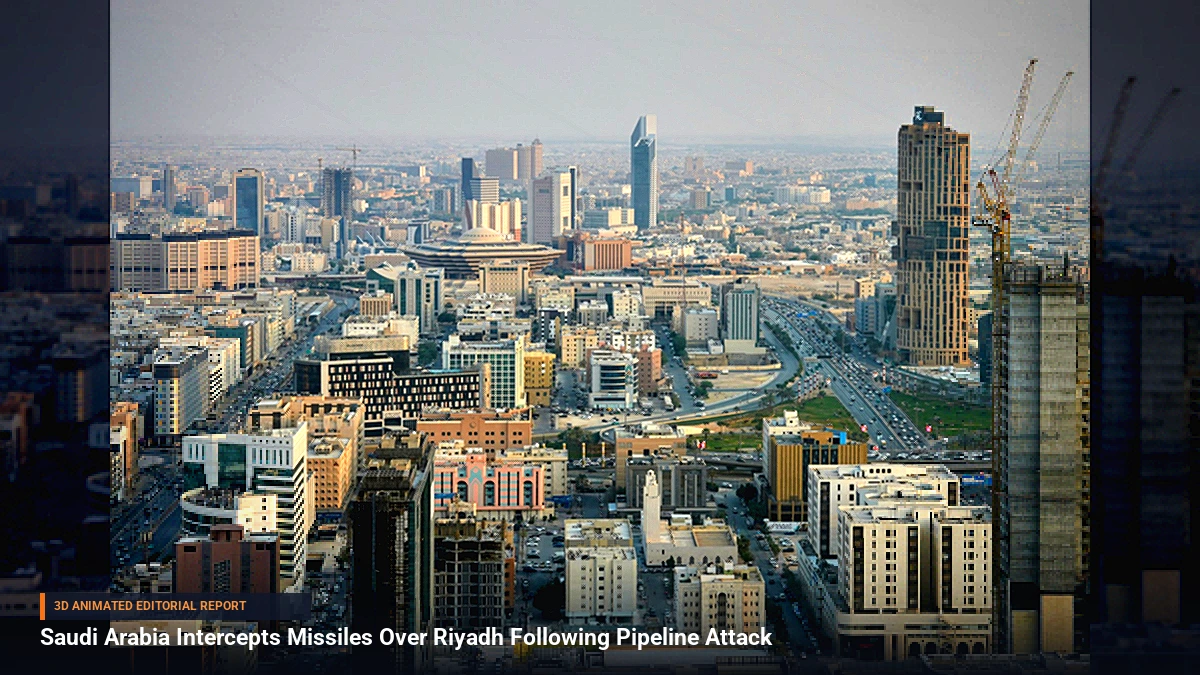
Security forces in Saudi Arabia successfully intercepted two ballistic missiles launched toward the capital city of Riyadh. The air defense operation unfolded amid a sharp escalation in cross-border hostilities, coming mere hours after authorities confirmed structural and operational impacts on a critical East-West oil pipeline. Residents across Riyadh reported hearing distinct explosions as the defensive systems engaged the incoming threats overhead.
The coordinated strikes and subsequent interception mark a serious test of the kingdom's multi-layered missile defense architecture. While emergency response teams moved swiftly to secure the affected infrastructure sites, preliminary reports from the Saudi-led coalition indicate that further retaliatory and preventive actions were initiated against militant assets.
Background & Key Context
The latest security incidents arrive against a backdrop of prolonged conflict involving Houthi forces and regional coalition elements. Critical energy installations within the kingdom have historically been primary targets for asymmetric drone and missile campaigns, aiming to disrupt global energy supply chains and exert geopolitical leverage.
The East-West pipeline, a vital artery for transporting petroleum across the Arabian Peninsula to export terminals, holds immense strategic significance for global energy markets. Security analysts have long warned that any prolonged disruption to such infrastructure could trigger immediate volatility in international crude pricing.
Key Takeaways
- Air Defense Activation: Saudi air defense systems successfully neutralized two incoming missiles directed at Riyadh.
- Infrastructure Targeting: The missile assault occurred shortly after a confirmed strike damaged a major East-West oil pipeline.
- Regional Coalition Response: Coalition forces launched retaliatory operations targeting hostile ballistic missile manufacturing sites.
- Global Market Sensitivity: Energy markets remain highly sensitive to disruptions along major Saudi petroleum transport routes.
- Ongoing Diplomatic Warnings: International stakeholders continue to monitor the deteriorating security situation closely, urging restraint.
Impact, Analysis & Global/National Reactions
The escalation has drawn immediate attention from international observers and market analysts alike. Protecting critical energy infrastructure remains a paramount concern for both regional leaders and international consumers dependent on steady petroleum flows.
Defense experts note that the rapid deployment and effectiveness of the kingdom's air defense grid prevented catastrophic structural damage and potential civilian casualties in a densely populated metropolitan area. Meanwhile, coalition spokespersons reiterated their commitment to dismantling the launch capabilities and supply chains utilized by hostile non-state actors operating in the region.
What's Next: Looking Ahead
As technical teams assess the full extent of the damage inflicted on the East-West pipeline, repair operations and security hardening measures will take center stage. Regional diplomats are expected to ramp up backchannel negotiations to prevent further military escalation, while energy markets will closely track the timeline for full pipeline restoration to gauge potential supply pressures.



Be the first to comment
Start a useful conversation around this story.