
What Happened: The Core Developments
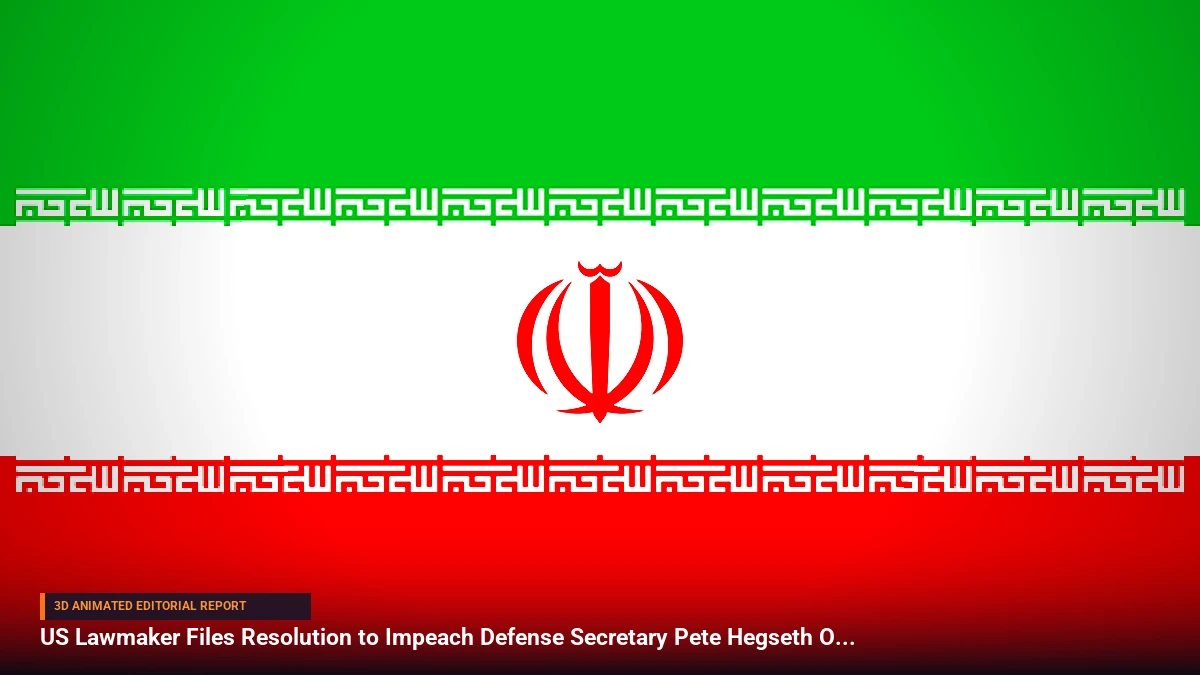
A major political clash has erupted in Washington following a formal move by US Representative Thomas Massie to introduce a resolution targeting Defense Secretary Pete Hegseth. The filing calls for the impeachment of the Pentagon chief, accusing him of issuing unlawful orders and mismanaging military operations related to the escalating conflict involving Iran.
The legislative maneuver has triggered immediate and forceful pushback from the Department of Defense. Secretary Hegseth dismissed the impeachment effort outright, characterizing it as a political "farce" and a calculated act of "sabotage" aimed at undermining the administration's strategic posture abroad. Concurrently, the move has drawn criticism from President Donald Trump, who publicly denounced the Republican lawmaker behind the initiative.
Background & Key Context
The tensions leading up to this legislative challenge stem from mounting controversies over the United States' military posture and operational directives in the Middle East. Cabinet-level impeachments are historically rare under the US Constitution, which grants the House of Representatives the authority to impeach civil officers for "high crimes and misdemeanors." While presidential vetoes and congressional oversight are standard features of American governance, a direct legislative push to oust a sitting defense secretary by a member of the same broader political ecosystem represents an extraordinary escalation.
Key Takeaways
- Resolution Filed: Outgoing Republican lawmaker Thomas Massie formally introduced a House resolution seeking the impeachment of Defense Secretary Pete Hegseth.
- Core Accusations: The filing centers on allegations concerning unlawful military orders and the handling of the conflict with Iran.
- Defensive Pushback: Hegseth strongly condemned the resolution, labeling the effort a "farce" and a form of domestic sabotage against military leadership.
- Executive Rejection: President Donald Trump criticized the Republican lawmaker responsible for the impeachment call, signaling deep internal friction within political ranks.
- Constitutional Rarity: Moves to impeach a sitting Cabinet secretary remain exceptionally uncommon in modern American political history.
Impact, Analysis & Global/National Reactions
The unfolding controversy highlights severe fractures regarding legislative oversight and executive branch authority over military engagements. Analysts note that while the resolution faces an uphill battle to secure a floor vote or ultimate passage in a divided Congress, the symbolic weight of the challenge carries substantial political consequences.
Supporters of the oversight action argue that Congress must actively check executive and military overreach, especially regarding active hostilities abroad. Conversely, defenders of the Pentagon chief contend that such legislative challenges send a dangerous signal to adversaries. Hegseth himself framed the challenge as an damaging message to international opponents, arguing that it creates an impression that the United States is willing to punish its own frontline military leadership.
What's Next: Looking Ahead
As the resolution moves through preliminary legislative channels, all eyes will be on House leadership to determine whether the measure is brought to the floor for formal debate or sidelined. The political fallout from the impeachment push is expected to reverberate across upcoming congressional hearings, further intensifying debates over war powers, military accountability, and the strategic trajectory of US foreign policy in the Middle East.




Be the first to comment
Start a useful conversation around this story.