
What Happened: The Core Developments
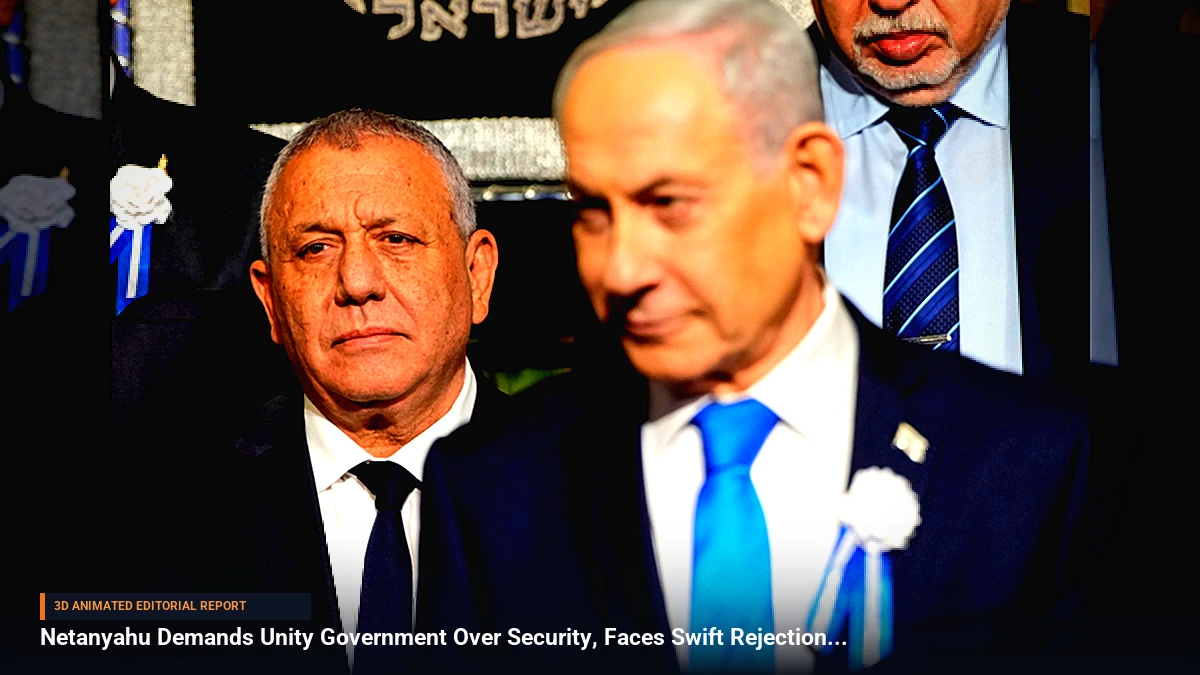
The contemporary landscape is currently defined by sharp crises spanning both geopolitical and digital frontiers. In the Middle East, political maneuvers have intensified as Prime Minister Benjamin Netanyahu publicly urged opposition figures to enter talks regarding a unity government without preconditions. Netanyahu framed the initiative around national security imperatives, explicitly stating that the moment has arrived to permanently neutralize external security threats, notably from Iran.
Simultaneously, digital infrastructure faces acute threats. Government and cybersecurity agencies have issued urgent advisory alerts targeting millions of internet users. Specifically, critical software updates have been rushed out to address severe security bugs and active zero-day vulnerabilities discovered within major web browsers, including Google Chrome.
Background & Key Context
The friction within Israeli political circles reflects deep-seated divisions over governance, strategy, and coalition dynamics. Offers for unity governments during periods of heightened external threat are often viewed through a skeptical lens by opposition leaders who must weigh national solidarity against partisan survival. In this instance, prominent political figures have openly rebuffed the premier's overtures, labeling them as tactical diversions rather than genuine bipartisan efforts.
On the technological front, the discovery of zero-day exploits highlights the constant vulnerability of global digital infrastructure. Zero-day flaws—vulnerabilities unknown to the software vendor at the time of targeted exploitation—represent some of the most dangerous vectors for cyberattacks, making swift patching and user awareness paramount for institutional and individual security.
Key Takeaways
- Political Resistance: Israeli opposition figures, notably Gadi Eisenkot, have firmly rejected calls for a unity government, dismissing the appeal as political spin and manipulative tactics.
- Strategic Posture: Prime Minister Netanyahu continues to push for unconditional political talks, emphasizing the urgent necessity of permanently addressing the Iranian threat.
- Cybersecurity Emergency: Regulatory bodies and software developers have issued severe warnings regarding multiple critical vulnerabilities and an active zero-day exploit in Google Chrome.
- Mitigation Steps: Users are strongly urged to update their browsers immediately to patch these severe security flaws and protect against potential exploitation.
Impact, Analysis & Global/National Reactions
The convergence of domestic political gridlock and vulnerable digital frameworks presents unique challenges for leaders and citizens alike. Analysts note that political fragmentation during periods of strategic crisis can impede decisive action, leaving nations more vulnerable to external pressures.
"These tricks simply do not work," remarked opposition leaders when evaluating the timing and framing of the government's unity proposals, highlighting a profound lack of trust across the political aisle. Concurrently, cybersecurity analysts stress that digital vulnerabilities pose an immediate threat to economic and personal security, requiring systemic diligence that parallels traditional defense measures.
What's Next: Looking Ahead
Stakeholders across both arenas face critical upcoming decisions. In the political sphere, parliamentary dynamics will continue to evolve as lawmakers attempt to navigate coalition stability and national security mandates without broad-based consensus. Meanwhile, in the tech sector, software developers will need to maintain aggressive patch cycles and enhance proactive security measures to stay ahead of sophisticated threat actors exploiting zero-day vulnerabilities.

Be the first to comment
Start a useful conversation around this story.