
What Happened: The Core Developments
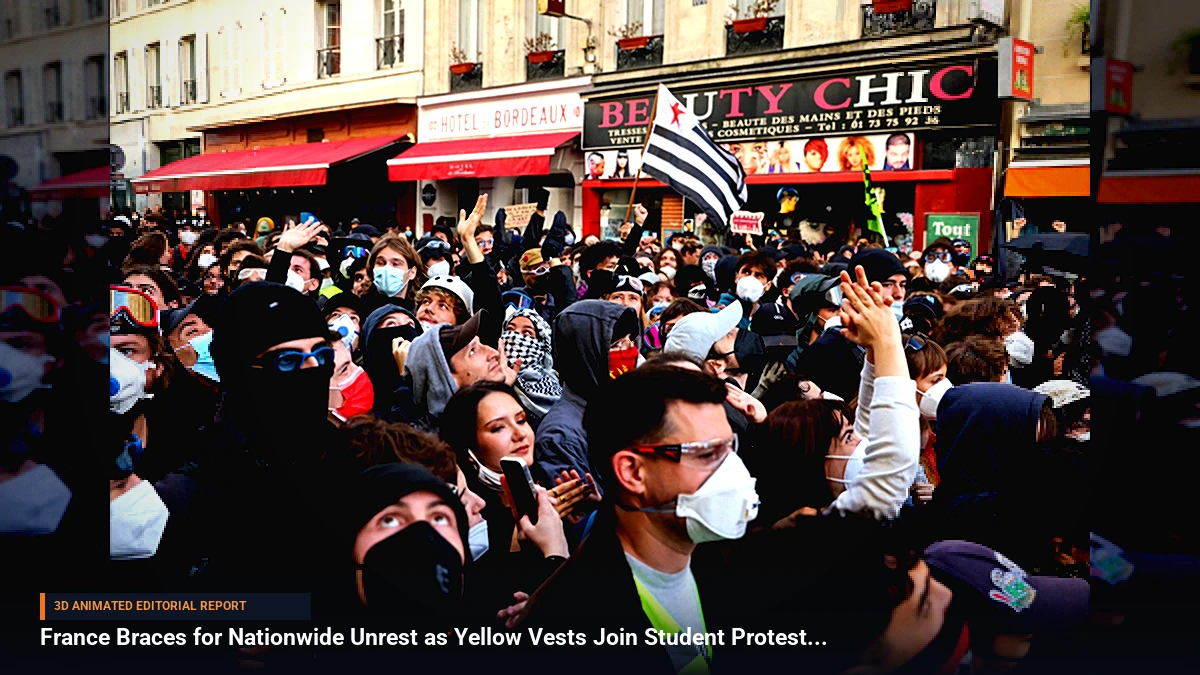
France is currently experiencing a sharp escalation in civil disobedience as nationwide demonstrations intensify. What began in mid-September as localized student walkouts and campus protests has rapidly morphed into a broader, multi-generational coalition. The inclusion of the iconic 'yellow vest' movement—famous for paralyzing French infrastructure during previous years of anti-government agitation—has significantly amplified the scale and intensity of the current unrest.
In major urban centers, including the capital city of Paris, tens of thousands of demonstrators have mobilized to demand comprehensive political and economic reforms. These gatherings have increasingly boiled over into volatile confrontations with law enforcement. Authorities have responded with tear gas, baton charges, and increased security cordons as protesters barricade streets and voice deep-seated frustrations with the current administration's legislative trajectory.
Background & Key Context
The roots of the current friction trace back to mid-September, when students across various secondary schools and universities initiated protests over educational funding, resource allocation, and future employment prospects. However, structural economic anxieties have provided fertile ground for these localized grievances to spread.
The 'yellow vest' (gilets jaunes) movement, which originally captured international attention in late 2018 over fuel taxes and the rising cost of living, has found common cause with the younger generation. By bridging the gap between veteran anti-establishment activists and student organizers, the movement has managed to reactivate extensive grassroots networks that had remained largely dormant in recent years.
Key Takeaways
- Broad Coalition Formed: The alliance between student groups and veteran 'yellow vest' members has significantly expanded the demographic scope and organizational capacity of the protests.
- Nationwide Scale: Demonstrations are no longer confined to isolated campuses, spreading rapidly across Paris and other major French metropolitan regions.
- Clashes with Law Enforcement: Tensions on the ground remain high, characterized by frequent street clashes, the use of tear gas by police, and widespread property disruption.
- Calls for Reform: Tens of thousands of participants are actively demanding structural political and economic reforms from national leadership.
- Historical Echoes: The resurgence of the yellow vest aesthetic and tactics signals a deeply entrenched public dissatisfaction with central government policies.
Impact, Analysis & Global/National Reactions
The convergence of student activism and working-class populist grievance presents a formidable challenge for the French government. Political analysts note that when disparate protest factions successfully synchronize their messaging and mobilization efforts, it drastically increases the pressure on executive leadership.
Representatives from the yellow vest contingent have publicly stated their solidarity, emphasizing a shared mission to support the younger generation's push for systemic change. Meanwhile, economic stakeholders and business associations have expressed growing concern over potential supply chain disruptions, tourism slowdowns, and damage to urban commercial districts as the unrest persists.
What's Next: Looking Ahead
As national authorities grapple with how to contain the spreading demonstrations without further inflaming public anger, all eyes are on potential government policy announcements or emergency legislative debates. Law enforcement agencies remain on high alert for further escalation, while organizers vow to maintain momentum through sustained mobilization unless substantive concessions are made by state officials.




Be the first to comment
Start a useful conversation around this story.