
What Happened: The Core Developments
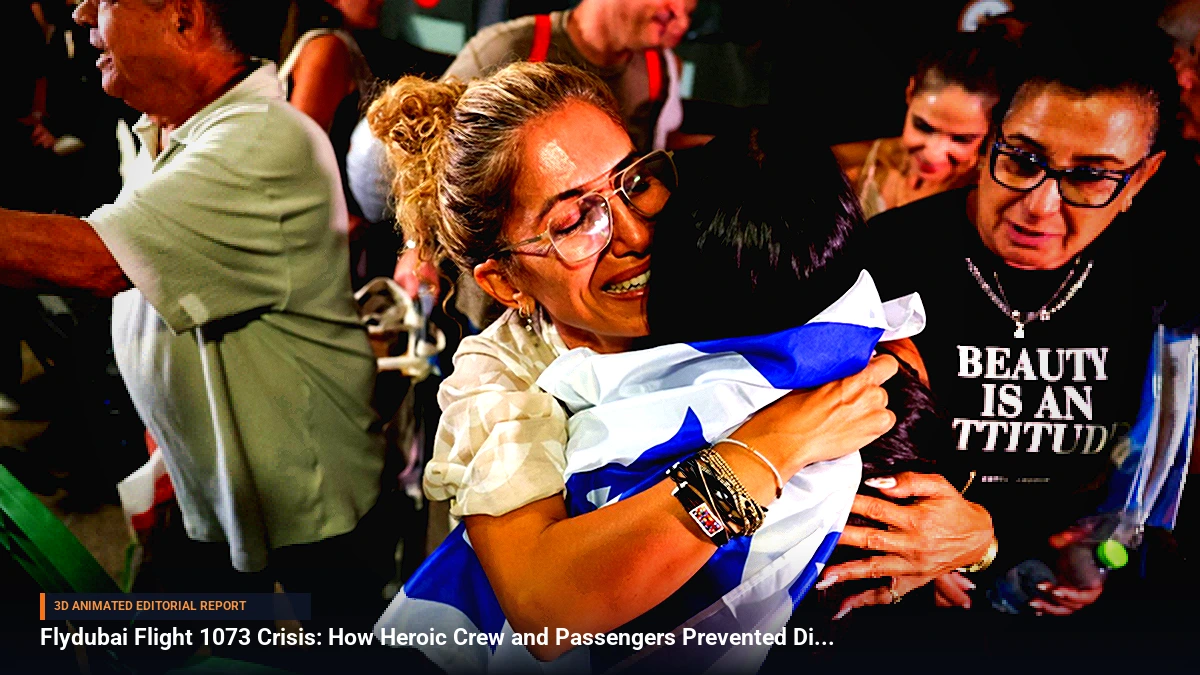
A routine commercial journey transformed into a high-stakes emergency when an onboard security breach struck a Flydubai flight bound for Tel Aviv. During the flight, an intense altercation erupted inside the cockpit environment, resulting in a sudden and violent pilot stabbing. The unexpected incapacitation and chaos triggered an alarming, uncontrolled rapid descent, with the aircraft plunging a staggering 17,000 feet in less than two minutes.
Faced with catastrophic failure scenarios, Captain Smit Machchhar demonstrated extraordinary resilience alongside cooperative passengers who stepped into the breach during what has been described as "12 minutes of madness." Working under extreme physical and psychological distress, the flight crew managed to stabilize the aircraft's trajectory, halting the rapid plunge. The flight subsequently executed an emergency diversion to Tabuk, where authorities met the aircraft, and passengers were later transferred to a replacement plane to complete their journey to Tel Aviv.
Background & Key Context
Commercial aviation security has historically focused heavily on fortified cockpit doors and anti-hijacking protocols designed to keep unauthorized personnel out of the flight deck. However, internal security threats, pilot incapacitation, and cabin-to-cockpit breaches remain among the most complex challenges facing global aviation authorities.
While preliminary investigations and flight-tracking data from sources like Flightradar24 mapped out the dramatic telemetry of the dive and diversion, underlying motives remain a subject of intense scrutiny. Speculation across international media outlets has ranged from individual acts of violence to potential terrorism or suicide-by-plane scenarios, though official security findings and airline investigative boards continue to process forensic evidence to determine the exact sequence and background of the attacker.
Key Takeaways
- Dramatic Altitude Loss: The aircraft plummeted 17,000 feet in under two minutes following the cockpit attack.
- Heroic Intervention: Captain Smit Machchhar and quick-reacting passengers successfully stabilized the aircraft mid-fall.
- Emergency Diversion: The flight safely diverted to Tabuk before passengers were flown to Tel Aviv on a replacement aircraft.
- Unresolved Motives: Official security bodies continue to investigate the attacker's background, while speculation persists regarding terrorism or suicide intent.
- Global Security Impact: The incident has reignited international debates concerning internal cockpit safety protocols and crew protection.
Impact, Analysis & Global/National Reactions
The near-disaster has sent shockwaves through the international aviation and geopolitical communities. Stakeholders are urgently re-evaluating the physical security of flight decks, questioning whether current protocols adequately safeguard pilots from internal threats originating either from compromised crew members or breaches during flight.
Political leaders have responded with profound gravity. Notably, regional figures such as Israeli Prime Minister Benjamin Netanyahu warned of a "very heavy price" should any state power or external entity be found behind the Flydubai incident. Meanwhile, family members of Captain Machchhar have spoken out about the inner strength required to pull off such a miraculous recovery under duress, transforming a national tragedy into a testament to human survival instincts.
What's Next: Looking Ahead
As the wreckage and flight data recorders undergo forensic analysis, aviation safety regulators are expected to issue preliminary safety recommendations regarding internal cockpit defenses. International transport authorities will likely scrutinize airline vetting processes and security screening procedures to prevent similar breaches.
For Flydubai and the broader commercial aviation sector, the immediate future will involve rigorous regulatory audits, legal proceedings regarding the security lapse at the point of origin, and potential mandates for enhanced crew-protection technologies. The lessons learned from the 12-minute crisis over the Middle East will undoubtedly shape aviation security policies for years to come.


Be the first to comment
Start a useful conversation around this story.