
What Happened: The Core Developments
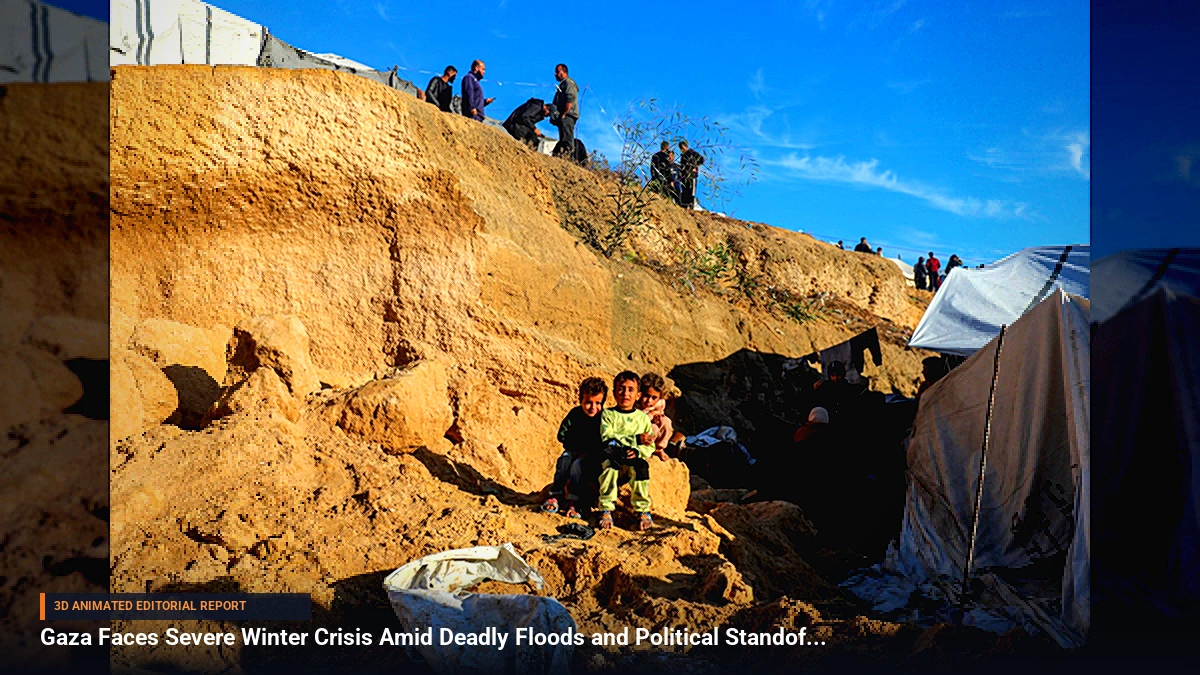
Gaza has been struck by severe winter storms that triggered catastrophic flooding and a deadly sandbank collapse in Deir el-Balah. The sudden torrents and shifting earth buried families alive, transforming makeshift neighborhoods into disaster zones and leaving survivors to recount harrowing tales of desperation and loss. As the floodwaters slowly begin to recede, communities are left grappling with staggering material and human damage.
Simultaneously, thousands of displaced individuals remain stranded without proper shelter, facing lethal weather conditions as they wait indefinitely for the delivery of basic winter provisions, including an estimated 150,000 tents. The combination of torrential rain, inadequate infrastructure, and the near-total destruction of housing stock has created an acute emergency for the most vulnerable populations.
Background & Key Context
The ongoing conflict and blockade have left Gaza's civil infrastructure heavily degraded, rendering it largely incapable of managing extreme weather events. Years of systemic damage to drainage systems, housing, and utility networks have amplified the destructive power of seasonal winter storms.
Humanitarian agencies have repeatedly warned that the lack of basic construction materials, heavy machinery, and emergency shelter supplies prevents any meaningful preparation for winter weather. These conditions have persisted amid a complex web of restrictions, checkpoints, and political disputes governing the entry of essential goods into the enclave.
Key Takeaways
- Deadly Floods: Unprecedented winter storms caused severe flooding and a lethal sandbank collapse in Deir el-Balah, burying families alive.
- Shelter Shortage: Thousands of displaced people are exposed to freezing temperatures and rain while awaiting a delayed shipment of 150,000 tents.
- Conflicting Reports: Humanitarian organizations report severe blockages on vital winter supplies, while the Israeli Prime Minister's office insists that supplies are entering.
- Political Conditions: The Israeli government maintains that comprehensive reconstruction and rehabilitation efforts cannot begin until Hamas fully disarms.
- Infrastructure Collapse: Years of conflict have decimated local drainage and housing infrastructure, exacerbating the impact of seasonal weather.
Impact, Analysis & Global/National Reactions
The humanitarian situation has sparked urgent international concern, with aid groups emphasizing that winter weather poses an immediate, life-threatening risk to displaced civilians. International observers note that the politicization of relief efforts further endangers civilian populations caught in the crossfire.
In response to mounting global criticism, the Israeli Prime Minister's office defended its position, insisting that winter supplies are indeed being permitted to cross into Gaza. However, officials firmly reiterated a strict political and security stance: long-term reconstruction and recovery are conditional upon the complete disarmament of Hamas, leaving the immediate humanitarian crisis tied to an intractable political stalemate.
Aid agencies and human rights advocates argue that separating basic survival needs and humanitarian aid from political negotiations is critical to preventing further loss of life during the harsh winter months.
What's Next: Looking Ahead
As forecasters predict additional winter storms, humanitarian organizations are racing against the clock to pressure authorities for expedited clearance and delivery of tents and heating equipment. Stakeholders will closely monitor whether international mediation can unblock the logjam surrounding the pending 150,000 tents and whether a functional mechanism can be established to address Gaza's crumbling infrastructure before further weather-related tragedies unfold.

Be the first to comment
Start a useful conversation around this story.