
What Happened: The Core Developments
The recent high-profile political gathering organized by the opposition INDIA bloc at New Delhi's historic Ramlila Maidan has triggered significant commercial fallout and political friction. While opposition leaders rallied supporters to demonstrate solidarity and protest key administrative measures, the event left a heavy footprint on local commerce.
According to representative market bodies, approximately 2.5 lakh shops across prominent commercial districts were forced to close or experienced severely restricted customer access due to extensive security cordons, traffic diversions, and crowd control measures. Traders have estimated their cumulative business losses to be between Rs 10,000 crore and Rs 11,000 crore, occurring during a critical trading window.
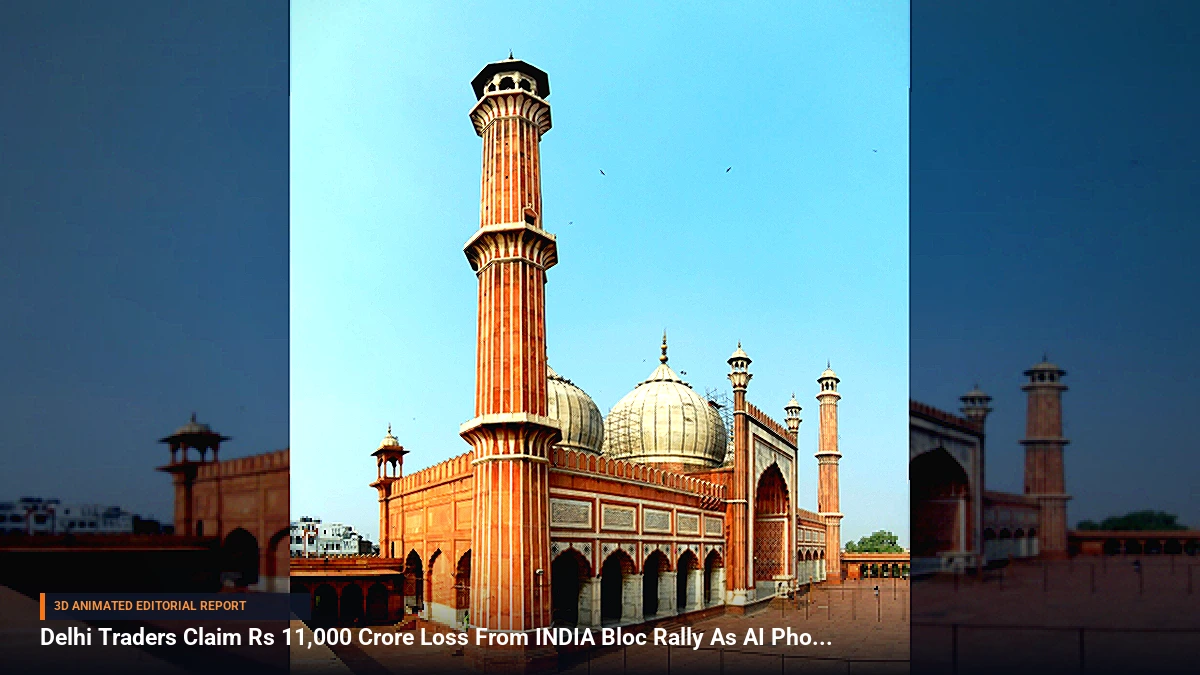
Simultaneously, the digital aftermath of the rally drew sharp rebukes from the ruling administration. Union Minister Kiren Rijiju publicly targeted the Congress party over a widely circulated photograph showcasing the event's crowd size, alleging that the visual was artificially created using generative artificial intelligence tools rather than reflecting actual ground attendance.
Background & Key Context
Ramlila Maidan has historically served as a central staging ground for major Indian political demonstrations, protests, and mass movements. However, its geographic placement near vital commercial hubs often creates intense logistical friction when large-scale events coincide with peak consumer seasons.
In the weeks leading up to the opposition's demonstration, local merchant and traders' associations actively petitioned prominent political figures, including senior Congress leader Rahul Gandhi. Through multiple formal appeals, these trade bodies requested that the rally be rescheduled to a date following Diwali—the nation's most lucrative commercial period—to protect small and medium enterprises from severe revenue depletion. Despite these advance warnings, the schedule remained unchanged, intensifying local grievances.
Key Takeaways
- Massive Financial Impact: Delhi traders reported cumulative business losses reaching up to Rs 11,000 crore due to mandatory closures and restricted customer movement.
- Pre-Rally Warnings Ignored: Trade associations had previously written letters to opposition leaders like Rahul Gandhi asking for the event to be postponed until after Diwali.
- Commercial Disruption: Approximately 2.5 lakh shops faced operational shutdowns or crippled foot traffic during peak festive purchasing days.
- AI Imagery Allegations: Union Minister Kiren Rijiju criticized the opposition for sharing what he alleged was an artificially generated crowd photo to inflate perceived rally attendance.
- Ongoing Political Skirmish: The incident has amplified debates regarding political accountability, digital integrity in public relations, and the tangible economic cost of urban protests.
Impact, Analysis & Global/National Reactions
The dual controversy underscores a growing tension between democratic rights to assembly and the fundamental economic viability of urban micro-economies. Market analysts note that holding high-security political gatherings in dense commercial zones during crucial retail seasons inflicts disproportionate financial pain on independent merchants who operate on tight profit margins.
"Who will compensate the local shopkeepers for these catastrophic interruptions during peak business hours?" questioned representatives from trade associations, highlighting a lack of institutional mechanisms to redress economic damages sustained during politically motivated public demonstrations.
On the political front, the row over alleged artificial intelligence manipulation highlights the rising scrutiny surrounding digital media optics in modern political campaigns. Government critics argue that reliance on enhanced or fabricated imagery undermines political transparency, while opposition supporters maintain that physical attendance numbers remain strong regardless of digital missteps.
What's Next: Looking Ahead
As the political dust settles, trade federations are reportedly weighing formal representations seeking administrative guidelines or relief frameworks for businesses affected by unplanned urban shutdowns. Meanwhile, digital watchdogs and political commentators anticipate stricter scrutiny of social media content shared by official party handles, with transparency regarding AI-generated media emerging as a central flashpoint in contemporary political discourse.



Be the first to comment
Start a useful conversation around this story.